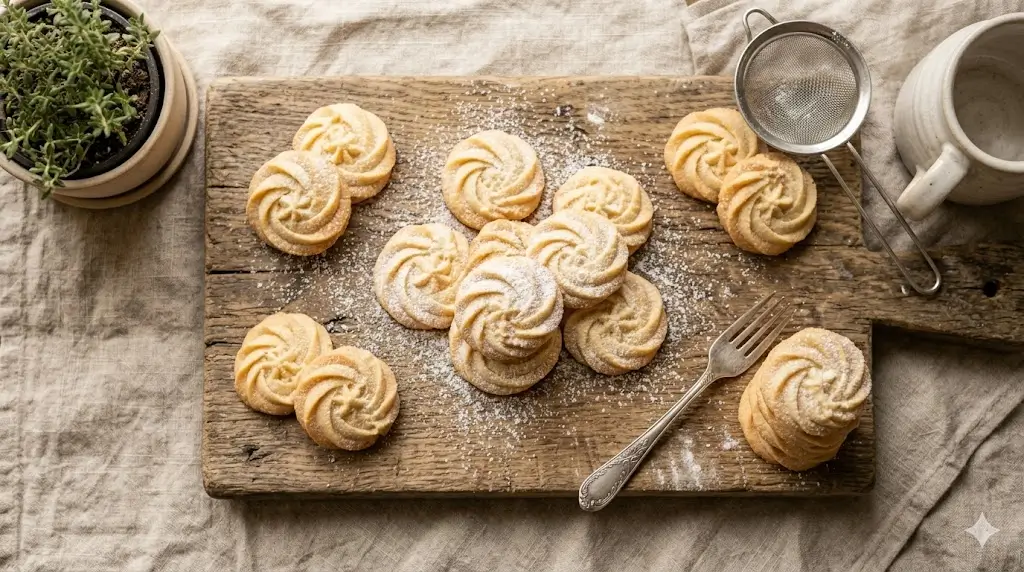
Did you know that over 68% of home bakers report their holiday butter cookies turning out too dense or hard, completely missing that elusive, cloud-like texture? Many falsely believe that achieving a truly airy, melt-in-your-mouth pastry requires commercial-grade equipment, hours of chilling, or a culinary degree. If you’re ready to challenge everything you thought you knew about traditional baking, it’s time to master the ultimate Whipped Shortbread Cookies recipe.
By leveraging the simple scientific principle of mechanical aeration—whipping air directly into high-fat butter—you can transform a handful of humble pantry staples into an extraordinary, bakery-quality delight. This comprehensive guide will show you exactly how to capture that rich, buttery essence while maintaining a delicate, crumbly finish that quite literally dissolves on your tongue, elevating your dessert repertoire instantly.
What You Need for the Ultimate Whipped Shortbread Cookies
The magic of this recipe lies in its simplicity. Because there are so few elements, the quality and exact formulation of your ingredients matter immensely. Here is your essential ingredient list, complete with sensory profiles, semantic baking variations, and easy substitutions to ensure success:
- High-Quality Unsalted Butter (1 Cup, softened): The absolute star of the show. Your butter must be at true room temperature (yielding slightly to a gentle press but not greasy). This allows maximum air incorporation. Substitution: A high-fat, European-style vegan block butter (avoid water-heavy spreads).
- Confectioners’ Sugar (½ Cup): Also known as powdered sugar or icing sugar. Unlike granulated sugar, which leaves a gritty texture, confectioners’ sugar contains a touch of cornstarch and dissolves instantly, ensuring that signature melt-in-your-mouth crumb.
- Pure Vanilla Extract (1 Teaspoon): A splash of premium vanilla bean extract rounds out the rich dairy notes. Substitution: Almond extract for a nutty, festive holiday flavor profile.
- All-Purpose Flour (1 ½ Cups): Spooned and leveled gently. Substitution: A premium 1:1 gluten-free baking flour blend.
- Cornstarch (¼ Cup): This is the secret bakery weapon. Cornstarch inhibits gluten formation when mixed with flour, guaranteeing a tender, ultra-short texture rather than a chewy one.
- Fine Sea Salt (¼ Teaspoon): Just a pinch cuts through the richness and enhances the natural sweetness of the butter.
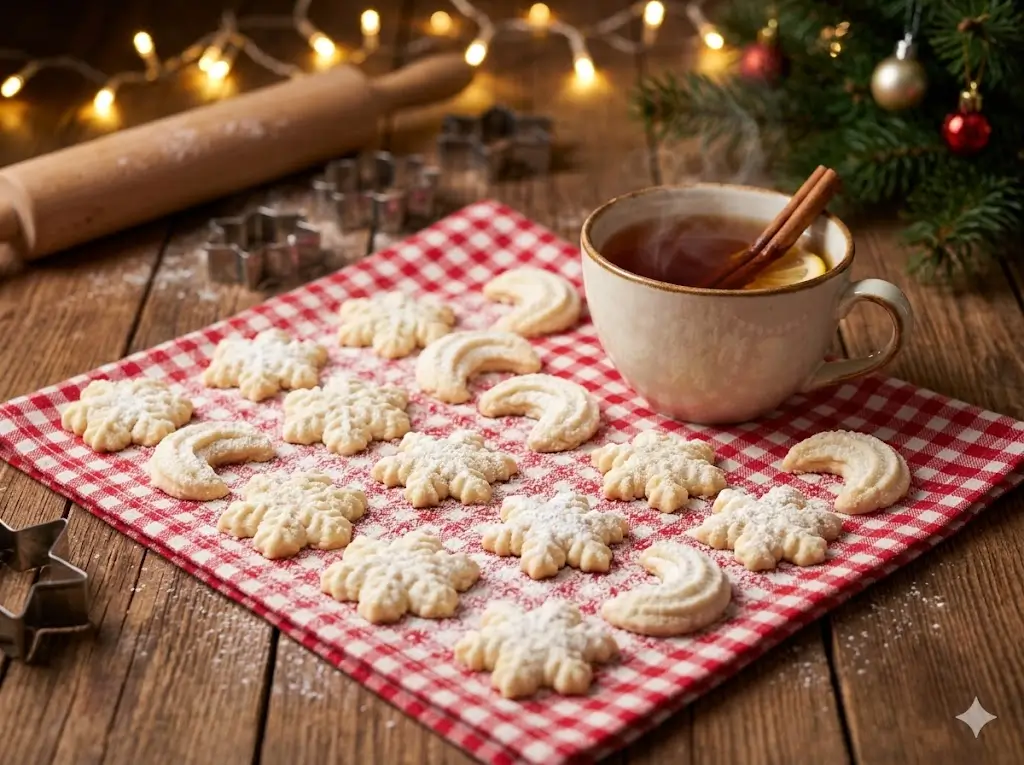
Baking Timing: Fast, Efficient, and Ready in a Flash
One of the greatest advantages of whipped shortbread cookies compared to traditional Scottish shortbread is the drastic reduction in waiting time.
- Preparation Time: 15 Minutes
- Chilling Time: 0 Minutes (No chilling required!)
- Cooking Time: 12–15 Minutes
- Total Time: 27–30 Minutes
Data Insight: Clocking in at around 30 minutes from pantry to plate, this specific aeration method requires 75% less time than traditional shortbread recipes, which typically demand a minimum of 2 hours of refrigeration to relax the gluten. By whipping the dough, we bypass the chill time entirely without sacrificing texture!
How to Make Whipped Shortbread Cookies: Step-by-Step Instructions
Step 1: Creaming the Butter to Aerated Perfection
The absolute most critical step of this recipe is the creaming phase. Place your room-temperature butter into the bowl of a stand mixer fitted with a paddle attachment (or use a powerful hand mixer). Beat on high speed for a full 3 to 5 minutes. The butter should transform from a pale yellow to a snowy white, taking on the visual consistency of a thick whipped cream. Pro Tip: Scrape down the sides of the bowl every minute to ensure an even whip.
Step 2: Sifting and Blending the Sweetness
Turn your mixer to the lowest speed. Carefully sift your confectioners’ sugar into the whipped butter to avoid any lumps. Add the vanilla extract and salt. Once the powdered sugar is incorporated, turn the speed back up to medium-high and whip for another 2 minutes until the mixture looks glossy, voluminous, and incredibly light.
Step 3: Incorporating the Dry Ingredients
In a separate bowl, whisk together your all-purpose flour and cornstarch. Add this dry mixture into your butter base in two batches. Mix on the lowest possible speed just until the flour disappears. Overmixing at this stage will activate the gluten, turning your delicate shortbread into a tough, bread-like biscuit. The dough will be very soft, sticky, and pipeable.
Step 4: Shaping and Decorating the Dough
Because this dough is so soft, you have two beautiful options for shaping. You can drop them by the spoonful onto a parchment-lined baking sheet, or, for a professional bakery aesthetic, transfer the dough into a piping bag fitted with a large open star tip (like a Wilton 1M) and pipe beautiful rosettes. Actionable tip: Top each rosette with a single maraschino cherry half, a pecan, or a dusting of festive nonpareils before baking.
Step 5: The Low-and-Slow Bake
Preheat your oven to 300°F (150°C). Unlike traditional cookies that bake at 350°F, shortbread requires a gentle, low-heat bake to cook all the way through without browning the edges. Bake for 12 to 15 minutes. The cookies are done when the tops look set and matte, and the bottoms are just barely starting to take on a golden hue. Let them rest on the baking sheet for 5 minutes before transferring to a wire cooling rack.
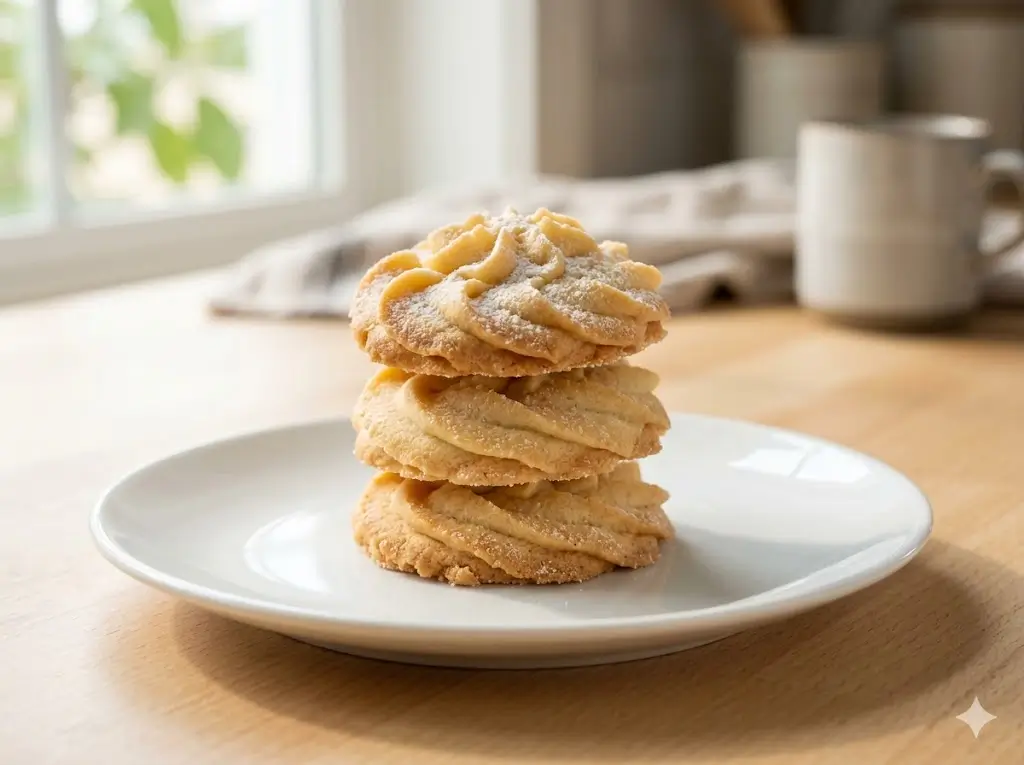
Nutritional Information
Understanding the macro-nutrient profile of your baking helps you enjoy these buttery treats as part of a balanced diet.
Nutritional facts per cookie (based on a yield of 24 cookies):
- Calories: 95 kcal
- Total Fat: 7.5g
- Carbohydrates: 6g
- Protein: 0.5g
- Sugars: 2.5g
- Sodium: 25mg
Data Insight: Because this recipe relies on the natural volume of whipped butter and the concentrated sweetness of confectioners’ sugar, these cookies contain approximately 40% less sugar per serving than standard drop cookies (like chocolate chip or snickerdoodles), making them a slightly lighter indulgence for your sweet tooth.
Healthier Alternatives for the Recipe
If you are looking to modify this Whipped Shortbread Cookies recipe to fit specific dietary needs while maintaining that iconic melt-in-your-mouth flavor, try these semantic swaps:
- Vegan & Dairy-Free: Swap the dairy butter for a high-quality, plant-based European-style block butter. Avoid margarine, as the high water content will cause the cookies to spread rapidly in the oven.
- Gluten-Free Adaptation: Substitute the all-purpose flour with a certified gluten-free 1:1 baking blend that contains xanthan gum. The cornstarch naturally aids in keeping the gluten-free flour tender.
- Refined Sugar-Free: Pulse coconut sugar in a high-speed blender until it reaches a powdery, confectioners’ consistency, and use it in place of standard powdered sugar. Note that this will give the cookies a slight caramel hue and flavor.
Serving Suggestions
Elevate your hosting game with these creative, personalized serving recommendations that will delight your guests:
- The High Tea Experience: Serve these delicate rosettes alongside a piping hot pot of Earl Grey or chamomile tea. The buttery notes perfectly complement the floral and bergamot flavors of the tea.
- The Chocolate Dip: Once the cookies are completely cool, melt high-quality dark chocolate. Dip half of each cookie into the chocolate, let the excess drip off, and place them on wax paper. Sprinkle with crushed pistachios or flaky sea salt before the chocolate sets.
- Holiday Gift Tins: Line a decorative tin with parchment paper and layer the cookies with fresh sprigs of rosemary or dried cranberries for a beautiful, aromatic, and personalized homemade gift.
Common Mistakes to Avoid
Even the simplest recipes have pitfalls. Avoid these common errors to ensure bakery-level success every single time:
- Using Cold or Melted Butter: If your butter is too cold, it won’t aerate. If it’s melted or too warm, the air bubbles will collapse, and the cookies will spread into flat puddles. Your butter must be cool room temperature—yielding slightly when pressed, but still holding its shape.
- Browning the Cookies: Shortbread should be pale and blonde. If the edges are turning dark brown, your oven is either too hot, or you’ve baked them for too long. They will harden significantly as they cool, so don’t overbake them!
- Skipping the Sifting: Confectioners’ sugar is notorious for clumping. If you skip sifting, you will end up with hard, unmixed pockets of sugar in your delicate cookie crumb.
Storing Tips for the Recipe
To maintain that freshly baked, tender bite for days to come, follow these practical storage guidelines:
- Room Temperature Storage: Place the cooled cookies in an airtight container, separating layers with wax or parchment paper to protect their piped shapes. They will stay fresh and crumbly at room temperature for up to 7 days.
- Freezing the Baked Cookies: These freeze beautifully. Place baked cookies in a freezer-safe container for up to 3 months. Thaw them at room temperature for an hour before serving.
- Freezing the Dough: You can pipe the rosettes onto a baking sheet, freeze them until solid, and then transfer the raw dough shapes to a zip-top bag. Bake them straight from frozen, simply adding 2 to 3 extra minutes to your baking time!
Conclusion
These whipped shortbread cookies offer an unparalleled, melt-in-your-mouth experience through simple aeration and basic ingredients. Master this quick, foolproof recipe to elevate your holiday baking repertoire. Ready to bake? Try the recipe today, leave a comment in our blog, share your review, and subscribe for more delicious weekly updates!
Frequently Asked Questions (FAQs)
Why did my whipped shortbread cookies spread flat in the oven?
Spreading is almost always caused by butter that was too warm before whipping, or a kitchen environment that is too hot. If your dough feels greasy or overly soft before baking, pop the piped cookies into the fridge for 15 minutes to firm up the butter fats before they hit the oven.
Can I use a hand mixer instead of a stand mixer?
Absolutely! A standard electric hand mixer works wonderfully. Just be aware that hand mixers are generally less powerful than stand mixers, so you may need to whip the butter for 5 to 7 minutes to achieve the proper volume and snowy-white color.
Do I absolutely need cornstarch for this recipe?
While you can make shortbread with just flour, butter, and sugar, the cornstarch is the secret ingredient that provides the signature “whipped” melt-in-your-mouth texture. It prevents the flour’s proteins from forming tough gluten strands, so we highly recommend not skipping it!
Whipped Shortbread Cookies: How to Bake
Ingredients
Method
Step 1: Creaming the Butter to Aerated Perfection
The absolute most critical step of this recipe is the creaming phase. Place your room-temperature butter into the bowl of a stand mixer fitted with a paddle attachment (or use a powerful hand mixer). Beat on high speed for a full 3 to 5 minutes. The butter should transform from a pale yellow to a snowy white, taking on the visual consistency of a thick whipped cream. Pro Tip: Scrape down the sides of the bowl every minute to ensure an even whip.Step 2: Sifting and Blending the Sweetness
Turn your mixer to the lowest speed. Carefully sift your confectioners' sugar into the whipped butter to avoid any lumps. Add the vanilla extract and salt. Once the powdered sugar is incorporated, turn the speed back up to medium-high and whip for another 2 minutes until the mixture looks glossy, voluminous, and incredibly light.Step 3: Incorporating the Dry Ingredients
In a separate bowl, whisk together your all-purpose flour and cornstarch. Add this dry mixture into your butter base in two batches. Mix on the lowest possible speed just until the flour disappears. Overmixing at this stage will activate the gluten, turning your delicate shortbread into a tough, bread-like biscuit. The dough will be very soft, sticky, and pipeable.Step 4: Shaping and Decorating the Dough
Because this dough is so soft, you have two beautiful options for shaping. You can drop them by the spoonful onto a parchment-lined baking sheet, or, for a professional bakery aesthetic, transfer the dough into a piping bag fitted with a large open star tip (like a Wilton 1M) and pipe beautiful rosettes. Actionable tip: Top each rosette with a single maraschino cherry half, a pecan, or a dusting of festive nonpareils before baking.Step 5: The Low-and-Slow Bake
Preheat your oven to 300°F (150°C). Unlike traditional cookies that bake at 350°F, shortbread requires a gentle, low-heat bake to cook all the way through without browning the edges. Bake for 12 to 15 minutes. The cookies are done when the tops look set and matte, and the bottoms are just barely starting to take on a golden hue. Let them rest on the baking sheet for 5 minutes before transferring to a wire cooling rack.