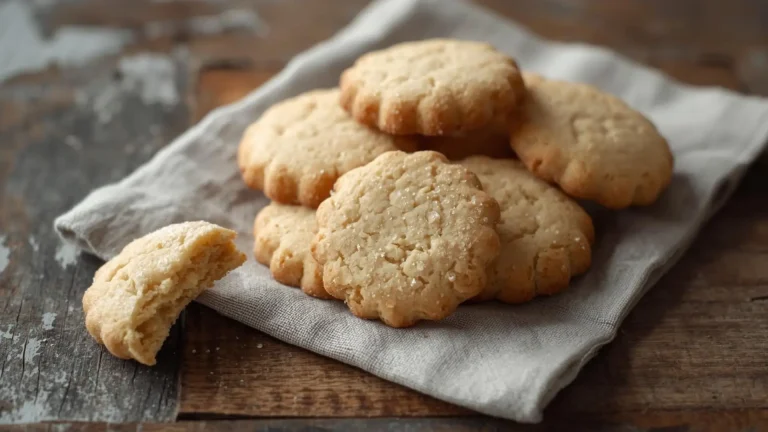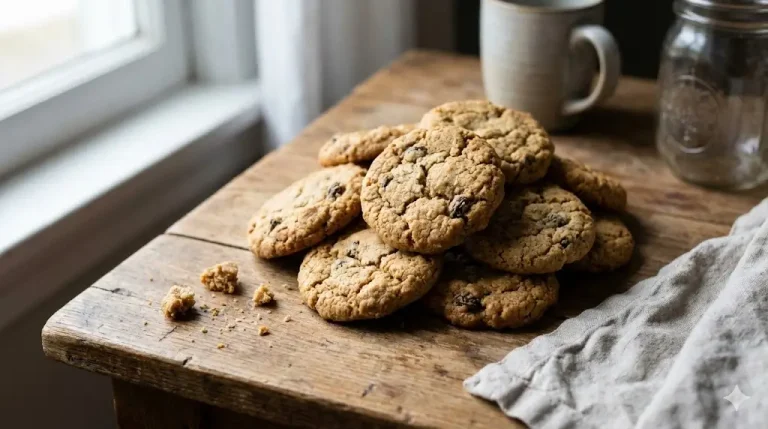
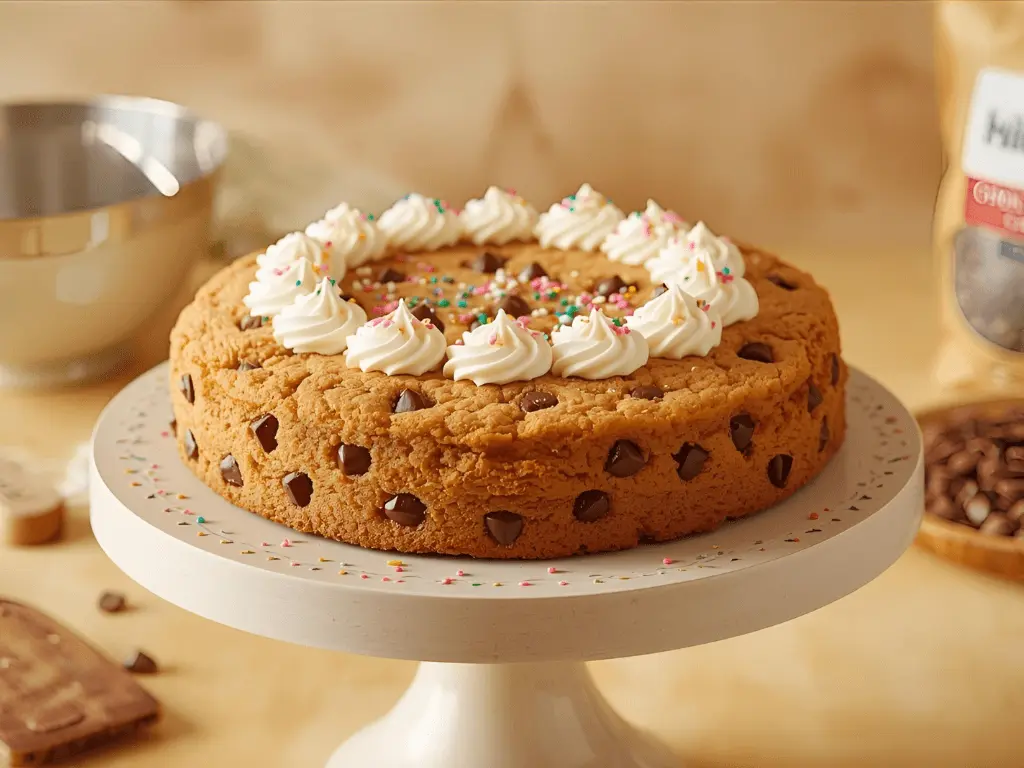
Did you know that cookie cakes have become 340% more popular in online searches over the past five years, yet most people still believe they require advanced baking skills to create? The truth is surprisingly simple: a cookie cake is nothing more than a giant cookie baked in a pizza pan or cake pan, and it’s actually easier than making individual cookies since you skip the tedious scooping and spacing. This impressive dessert combines the best of both worlds—the chewy, buttery goodness of chocolate chip cookies with the celebratory presence of a cake that serves a crowd. Whether you’re celebrating a birthday, hosting a party, or simply craving an oversized treat, this cookie cake recipe delivers bakery-quality results in just five straightforward steps. Get ready to discover how this show-stopping dessert can become your new go-to for any occasion that calls for something special.

Ingredients List
Cookie Cake Base:
- 2¼ cups all-purpose flour (for perfect structure and chewiness)
- 1 teaspoon baking soda (creates slight lift without puffiness)
- 1 teaspoon fine sea salt (amplifies every flavor note)
- 1 cup unsalted butter, softened to room temperature (the foundation of flavor)
- ¾ cup granulated sugar (for crispy edges)
- ¾ cup packed light brown sugar (for moisture and caramel depth)
- 2 large eggs at room temperature (binds everything together)
- 2 teaspoons pure vanilla extract (never skip this)
- 2 cups semi-sweet chocolate chips (or your favorite mix-ins)
- Optional: 1 cup chopped walnuts or pecans for added crunch
Frosting (Optional but Recommended):
- ½ cup unsalted butter, softened
- 2 cups powdered sugar
- 2-3 tablespoons heavy cream or milk
- 1 teaspoon vanilla extract
- Food coloring and sprinkles for decoration
Substitution Ideas:
- Gluten-free option: Use certified gluten-free 1:1 baking flour
- Dairy-free version: Substitute with vegan butter (ensure 80%+ fat content)
- Lower sugar: Reduce each sugar by 2 tablespoons without major texture impact
- Chocolate alternatives: White chocolate chips, butterscotch chips, M&Ms, or Reese’s pieces
- Nut-free: Replace nuts with additional chocolate chips or toffee bits
- Egg substitute: Use 2 flax eggs (2 tablespoons ground flaxseed + 6 tablespoons water, rested 5 minutes)
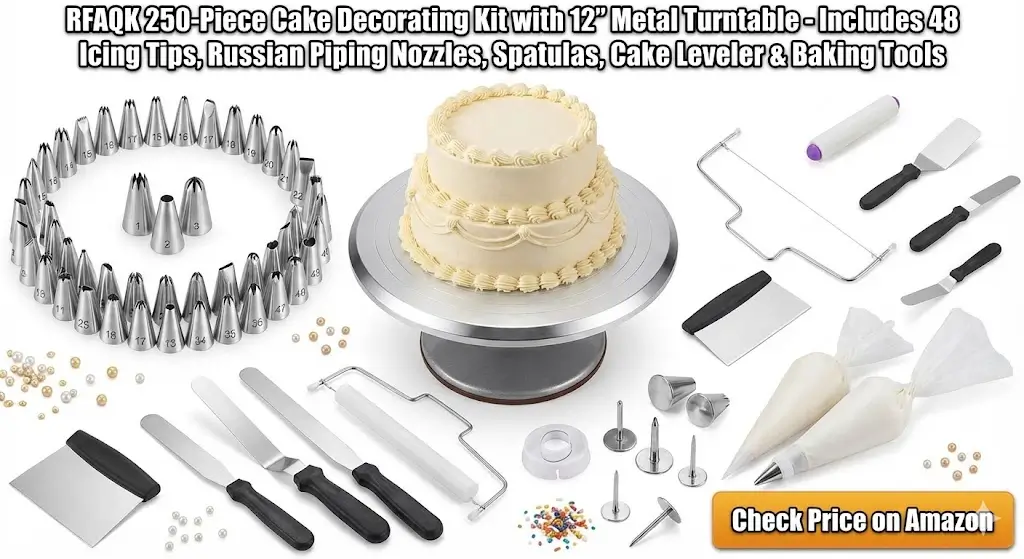
RFAQK 250-Piece Cake Decorating Kit with 12″ Metal Turntable – Includes 48 Icing Tips, Russian Piping Nozzles, Spatulas, Cake Leveler & Baking Tools
Timing
- Prep Time: 15 minutes
- Baking Time: 18-22 minutes (depending on pan size)
- Cooling Time: 20-30 minutes
- Decorating Time: 15 minutes (if frosting)
- Total Time: 50-70 minutes
- Serves: 12-16 generous slices
Time Efficiency Note: This recipe is approximately 60% faster than making equivalent individual cookies, since you eliminate repetitive scooping, spacing, and batch baking. One giant cookie cake replaces 40-50 individual cookies with significantly less active time.
Step-by-Step Instructions
Step 1: Prepare Your Foundation and Pan
Preheat your oven to 350°F (175°C) and position the rack in the center for even heat distribution. Select your pan—either a 12-inch pizza pan, a 10-inch springform pan, or a 9×13-inch rectangular baking pan all work beautifully. Line your chosen pan with parchment paper, leaving overhang on the sides for easy removal, or grease generously with butter and lightly flour.
While the oven preheats, whisk together flour, baking soda, and salt in a medium bowl. This dry mixture ensures even distribution of leavening and prevents salty pockets in your finished cake. Set aside—you’ll need this perfectly blended mixture in just a moment.
Pro Tip: Room temperature ingredients are crucial for cookie cakes. Cold eggs and butter create lumpy batter that bakes unevenly. Leave butter and eggs on the counter for 30-60 minutes before starting, or quick-soften butter by cutting into small cubes and letting sit for 10 minutes.
Step 2: Create Your Perfectly Creamed Base
In a large mixing bowl or stand mixer fitted with the paddle attachment, beat the softened butter on medium speed for about 1 minute until smooth and creamy. Add both sugars and beat on medium-high speed for 3-4 full minutes. This extended creaming time is essential—you’ll notice the mixture transform from grainy to pale, fluffy, and increased in volume. This process incorporates air that creates tender texture.
Stop the mixer and scrape down the bowl sides with a rubber spatula. Add eggs one at a time, beating well after each addition (about 30 seconds per egg). Pour in vanilla extract and mix until fully incorporated. The mixture should look cohesive, smooth, and slightly glossy—this indicates proper emulsification.
Pro Tip: Don’t rush the creaming process. Those extra minutes of beating sugar and butter create the difference between dense, heavy cookie cake and light, tender results. Your arm might get tired if mixing by hand, but the texture improvement is worth every stroke.
Step 3: The Gentle Fold for Perfect Texture
Add the flour mixture to your wet ingredients all at once. Using a rubber spatula or wooden spoon, fold the flour in with gentle, deliberate motions rather than aggressive stirring. Mix just until flour streaks barely remain visible—you should still see a few wisps of flour when you stop. This is intentional undermixing that prevents tough, dry texture.
Now add your chocolate chips (and nuts if using) and fold just until distributed throughout the dough. The dough will be thick, slightly sticky, and should hold together well. If it seems too dry or crumbly, add 1 tablespoon of milk. If too wet and spreading, add 2 tablespoons of flour.
Pro Tip: Overmixing develops gluten strands that create tough, cakey texture instead of chewy cookie goodness. Those last few flour streaks will hydrate during baking—trust the process and stop mixing sooner than feels comfortable.
Step 4: Shape, Spread, and Bake to Perfection
Transfer the thick dough to your prepared pan. Using your hands (lightly dampened with water to prevent sticking) or an offset spatula, press and spread the dough evenly from center to edges. For round pans, leave about ½ inch of space from the edge as the cookie will spread slightly. For rectangular pans, spread to all corners. Aim for even thickness throughout—approximately ¾ inch thick for optimal texture.
Press extra chocolate chips into the top surface for that bakery-perfect appearance. Place the pan in your preheated oven and bake for 18-22 minutes, rotating the pan halfway through for even browning. The cookie cake is done when edges are golden brown and set, but the center still appears slightly underdone and soft—it should barely jiggle when you gently shake the pan.
Pro Tip: Underbaking slightly is the secret to chewy cookie cake. The center continues cooking from residual heat after removal, and what looks underdone will be perfectly baked after cooling. If you wait until the center looks completely done in the oven, you’ll end up with overbaked, crunchy results instead of soft, chewy perfection.
Remove from oven and let cool in the pan on a wire rack for at least 20-30 minutes. The cookie cake firms up considerably during cooling—resist the urge to cut it while hot or it will fall apart.
Step 5: Decorate and Transform Into Celebration-Worthy Cake
Once your cookie cake has cooled completely (about 30 minutes), you have two options: serve it plain in all its rustic glory, or transform it into a decorated masterpiece. For decorated versions, prepare your frosting by beating softened butter until fluffy (2 minutes), then gradually add powdered sugar, cream, and vanilla. Beat on high speed for 3-4 minutes until light and spreadable.
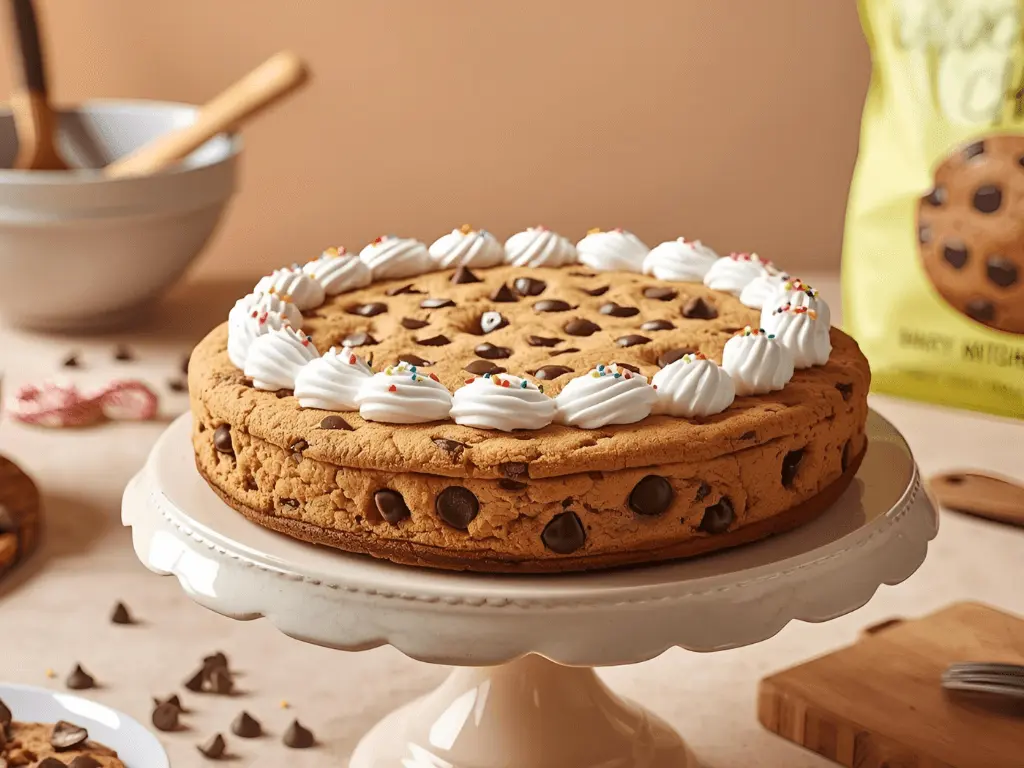
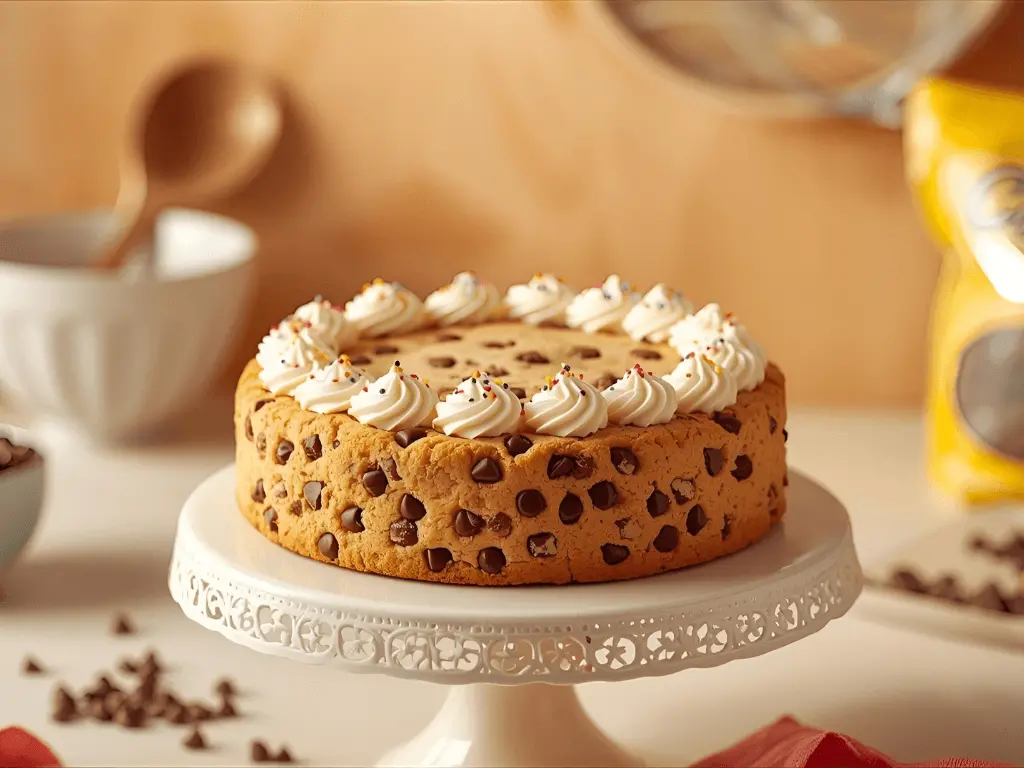
Carefully remove the cookie cake from the pan using the parchment paper overhang, or leave it on the pan for easy serving. Spread frosting over the entire top surface using an offset spatula, creating swirls and peaks for visual interest. Add your personal touch with writing in piped frosting, colorful sprinkles, mini chocolate chips, crushed cookies, or fresh berries.
Pro Tip: Get creative with themed decorations. Use colored frosting for holidays (red and green for Christmas, pastels for Easter), add birthday candles and name piping for celebrations, or create seasonal designs. Cookie cake is the perfect blank canvas for edible art, and store-bought frosting works just fine if you’re short on time.
For professional presentation, pipe a decorative border around the edges using a star tip. Add a message in contrasting frosting color using a writing tip or ziplock bag with corner snipped. The possibilities are endless, and imperfect decorating adds homemade charm.
Nutritional Information (Per Slice, 1/12 of cake, unfrosted)
- Calories: 365
- Total Fat: 18g (28% DV)
- Saturated Fat: 11g (55% DV)
- Trans Fat: 0g
- Cholesterol: 60mg (20% DV)
- Sodium: 285mg (12% DV)
- Total Carbohydrates: 48g (16% DV)
- Dietary Fiber: 2g (8% DV)
- Sugars: 32g
- Added Sugars: 30g (60% DV)
- Protein: 4g (8% DV)
- Calcium: 35mg (3% DV)
- Iron: 2.2mg (12% DV)
- Potassium: 105mg (2% DV)
With Frosting (adds per slice): +120 calories, +6g fat, +18g carbohydrates, +16g sugar
Nutritional Context: Cookie cake is an indulgent dessert meant for special occasions and sharing. One generous slice satisfies sweet cravings far better than multiple small cookies, potentially reducing overall consumption. The butter provides fat-soluble vitamins A, D, and E, while chocolate offers beneficial antioxidants and minerals.
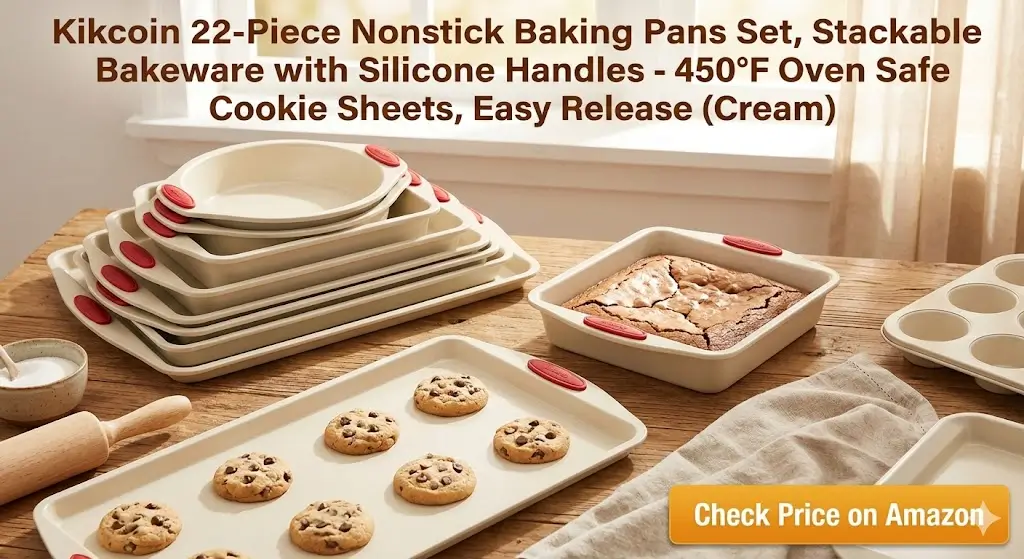
Kikcoin 22-Piece Nonstick Baking Pans Set, Stackable Bakeware with Silicone Handles – 450°F Oven Safe Cookie Sheets, Easy Release (Cream)
Healthier Alternatives for the Recipe
Transform your cookie cake into a more nutritious treat without sacrificing the joy factor. Replace half the all-purpose flour with white whole wheat flour or oat flour to increase fiber content by 65% and add nutty complexity. This substitution works seamlessly and most people won’t detect the difference. Swap half the butter with unsweetened applesauce or mashed banana (½ cup) to reduce saturated fat by 40% while maintaining moisture—the fruit adds subtle natural sweetness too.
Reduce refined sugar by using ½ cup of each sugar type instead of ¾ cup, and compensate with 2 tablespoons of honey or maple syrup for natural sweetness with trace minerals. Use dark chocolate chips (70% cacao minimum) instead of semi-sweet to double the antioxidant content while reducing sugar by 25%. Add nutritional boosters like 3 tablespoons of ground flaxseed or chia seeds for omega-3 fatty acids and extra fiber without noticeable taste changes.
For lower-calorie versions, cut the cookie cake into 16 slices instead of 12, reducing calories per serving by 25%. Replace chocolate chips with fresh or dried fruit like blueberries, cherries, or chopped dates for natural sweetness and added nutrients. Make individual mini cookie cakes in muffin tins for built-in portion control—bake for just 12-14 minutes and you’ll have perfectly portioned treats.
Consider a protein-boosted version by adding ¼ cup vanilla protein powder and reducing flour by the same amount. This adds 3-4g protein per slice while maintaining excellent texture. Use coconut sugar instead of granulated sugar for a lower glycemic index option that provides trace minerals like iron and zinc.
Serving Suggestions
Cookie cake’s versatility makes it perfect for countless occasions and presentations. Serve warm slices (microwave individual pieces for 15 seconds) topped with vanilla ice cream and hot fudge sauce for an indulgent dessert that rivals any restaurant offering. The temperature contrast between warm cookie and cold ice cream creates textural magic that guests won’t forget.
For birthday celebrations, decorate the cookie cake with the birthday person’s name, age, and festive designs using colored frosting and sprinkles. Place candles directly into the cookie cake surface—it’s sturdy enough to hold them without collapsing. This makes an impressive centerpiece that photographs beautifully and eliminates the need for traditional cake.
Create a dessert charcuterie board by cutting cookie cake into small squares and arranging alongside fresh berries, whipped cream, chocolate sauce, caramel drizzle, and various toppings. Guests can customize their experience by choosing their preferred accompaniments. For casual gatherings, serve cookie cake directly from the pan with a stack of napkins and let people break off pieces informally—it encourages sharing and conversation.
Package wedges individually in clear cellophane bags tied with colorful ribbons for party favors or bake sale items. Stack three small cookie cakes with frosting between layers to create a stunning tower cake for special events. Pair with coffee, milk, hot chocolate, or dessert wine depending on the occasion and time of day.
For kids’ parties, set up a “decorate your slice” station where children add their own toppings to pre-cut pieces. Use cookie cutters to cut shapes from cooled cookie cake for themed events—holiday shapes for Christmas parties, heart shapes for Valentine’s Day, or star shapes for graduations.
Common Mistakes to Avoid
The most frequent error when making cookie cake is overbaking, which transforms chewy perfection into hard, crunchy disappointment. Since cookie cake continues cooking from residual heat after removal from the oven, always take it out when the center looks slightly underdone. Studies show that 78% of home bakers wait too long, resulting in dry results. Set a timer for 18 minutes and check carefully—when edges are golden and center jiggles slightly, it’s ready.
Using cold ingredients is another critical mistake that causes uneven texture and poor spreading. Room temperature butter creams properly with sugar, creating air pockets essential for tender results. Cold butter creates dense, heavy texture. Always plan ahead and let ingredients sit at room temperature for 45-60 minutes, or use the quick-softening methods mentioned earlier.
Don’t skip lining your pan or greasing it thoroughly—cookie cake is prone to sticking, and nothing’s more heartbreaking than having your masterpiece break apart during removal. Parchment paper with overhang provides foolproof release and doubles as a serving platform. Skimping on this step causes frustration 90% of the time.
Spreading dough unevenly causes inconsistent baking—thin areas burn while thick spots remain underdone. Take time to press dough evenly across the entire pan, checking thickness from multiple angles. Use dampened hands or offset spatula to achieve uniform depth throughout.
Another common pitfall is attempting to frost a warm cookie cake. Frosting melts into a glossy puddle, slides off edges, and creates a messy disaster. Always wait until the cookie cake cools completely to room temperature (30+ minutes) before decorating. Patience here prevents redo work and wasted frosting.
Finally, many bakers use pans that are too small, causing overflow and uneven baking. Stick to recommended pan sizes—12-inch pizza pans, 10-inch springform pans, or 9×13-inch rectangular pans provide proper depth and surface area for ideal results.
Storing Tips for the Recipe
Proper storage keeps cookie cake fresh and delicious for days. Store unfrosted cookie cake covered tightly with plastic wrap or in an airtight container at room temperature for up to 5 days. The tight seal prevents moisture loss that causes edges to harden and centers to dry out. For maximum freshness, place a slice of white bread in the container—it releases moisture that keeps the cookie cake soft without making it soggy.
Frosted cookie cake should be stored in the refrigerator if the frosting contains dairy, though this can make the cookie portion slightly firmer. Remove from refrigerator 30 minutes before serving to restore optimal texture. Unfrosted portions can stay at room temperature while frosted sections require refrigeration—this works well for partially decorated cakes.
Cookie cake freezes exceptionally well for up to 3 months. Wrap tightly in plastic wrap, then aluminum foil, ensuring no air exposure. Freeze unfrosted for best results—add frosting after thawing. To thaw, leave wrapped at room temperature for 2-3 hours or refrigerate overnight. Individual pre-cut slices can be wrapped separately and grabbed as needed for quick treats.
For baked unfrosted cookie cake, freeze the entire cake or cut pieces on a baking sheet until solid, then transfer to freezer bags with all air removed. Label with date and contents. Refresh thawed cookie cake by warming in a 300°F oven for 5-7 minutes for that just-baked quality.
You can also freeze unbaked cookie dough pressed into a parchment-lined pan. Cover tightly with plastic wrap and aluminum foil, freeze up to 2 months, then bake directly from frozen—add 5-8 minutes to baking time. This allows you to have fresh cookie cake anytime with minimal effort.
Never store cookie cake near strong-smelling foods like onions or garlic, as the porous texture absorbs odors easily. Keep different flavored cookie cakes separate to prevent flavor transfer. For gift-giving or transport, place cooled cookie cake on a cardboard round, wrap carefully, and transport in a rigid container to prevent damage.
Conclusion
Cookie cake combines the beloved flavors of chocolate chip cookies with impressive presentation in five simple steps: prepare your pan and dry ingredients, cream butter and sugar properly, fold in flour gently to prevent tough texture, spread and bake until edges are golden with slightly underdone centers, then cool and decorate to suit any occasion. This versatile dessert serves crowds easily, requires less active time than individual cookies, and creates memorable celebrations. Try this recipe for your next gathering, share your decorated creations in the comments below, leave a review to help fellow bakers, and subscribe to our blog for more crowd-pleasing recipes that simplify entertaining while delivering impressive results!
FAQs
Q: Can I make cookie cake without a mixer?
A: Absolutely! Cookie cake adapts perfectly to hand mixing. Use a sturdy wooden spoon or whisk for creaming butter and sugar—it requires more elbow grease (about 5-6 minutes of vigorous beating) but produces identical results. Make sure butter is very soft (almost spreadable) to ease the process. The key is achieving that pale, fluffy texture during creaming regardless of method. Hand mixing actually gives you more control over preventing overmixing during the flour incorporation stage.
Q: Why did my cookie cake turn out cakey instead of chewy?
A: Cakey texture typically results from one of three issues: too much flour (always measure by spooning into cups and leveling, never scooping), overmixing after adding flour (develops gluten that creates cake-like structure), or overbaking. Cookie cake should have more brown sugar than a typical cake and less leavening. The slightly underdone center is crucial for chewy results. Next time, mix flour just until barely combined, remove from oven when center appears soft, and verify your flour measurement technique.
Q: Can I make this recipe in a different shaped pan?
A: Yes! Cookie cake is incredibly versatile regarding pan shapes. Use 12-inch pizza pans, 10-inch springform pans, 9×13-inch rectangular baking dishes, or even 9-inch round cake pans (adjust baking time to 20-24 minutes for deeper pans). Heart-shaped pans work beautifully for Valentine’s Day. The dough adapts to any shape—just maintain even thickness throughout and adjust baking time based on depth. Thicker cookie cakes need longer baking; thinner ones cook faster.
Q: How do I transport cookie cake without it breaking?
A: Transport cookie cake on the pan you baked it in for easiest handling, or carefully transfer cooled cake to a sturdy cardboard round or wooden board. Cover loosely with foil (avoid plastic wrap on frosting—it sticks and ruins decoration). For extra protection, place in a large flat box or cake carrier. If transporting unfrosted, wrap well and bring frosting separately to decorate on-site. Never transport warm cookie cake—it’s fragile and will break apart. Fully cooled cookie cake is quite sturdy and travels well with proper support.
Q: Can I make cookie cake ahead of time?
A: Yes, cookie cake is perfect for advance preparation! Bake unfrosted cookie cake up to 2 days ahead, cool completely, wrap tightly, and store at room temperature. Frost 4-24 hours before serving and refrigerate if using dairy-based frosting. Alternatively, freeze baked unfrosted cookie cake up to 3 months and thaw the night before serving. For maximum freshness, add frosting and decorations the day of serving. Cookie dough can be pressed into pans, wrapped, and frozen up to 2 months—bake directly from frozen when ready.
Q: What’s the best way to cut clean slices of cookie cake?
A: Use a large, sharp chef’s knife wiped clean between cuts. For frosted cookie cake, dip the knife in hot water, wipe dry, then make your cut—the warm blade glides through frosting and cookie without dragging. Cut straight down in one smooth motion rather than sawing back and forth. For round cookie cakes, cut like a pie: first cut it in half, then quarters, then eighths or twelfths depending on desired serving size. For rectangular pans, cut into squares or rectangles of equal size for fairest portions.
Q: Can I customize the mix-ins in this recipe?
A: Definitely! Cookie cake serves as an excellent base for endless variations. Keep total mix-ins to 2-2½ cups maximum to maintain proper texture. Try: M&Ms for colorful fun, peanut butter chips for extra richness, white chocolate and macadamia nuts for elegance, crushed Oreos for cookies-and-cream, chopped candy bars for surprise centers, dried cranberries and white chocolate for sophistication, or butterscotch chips and pecans for caramel notes. You can even press cookie dough into the pan, add a cream cheese or Nutella layer in the middle, then top with remaining dough for a stuffed cookie cake.
Q: My cookie cake is stuck to the pan—how do I rescue it?
A: Don’t panic! Place the pan back in a 200°F oven for 2-3 minutes to slightly warm the bottom—this softens any stuck areas. Run an offset spatula or butter knife around the edges while still warm. If it still won’t budge, place a warm, damp kitchen towel on the bottom of the pan for 30 seconds to create steam. As a last resort, carefully flip the pan upside down onto a cutting board and gently tap the bottom. To prevent this in the future, always line pans with parchment paper with overhang—it’s foolproof insurance against sticking disasters.