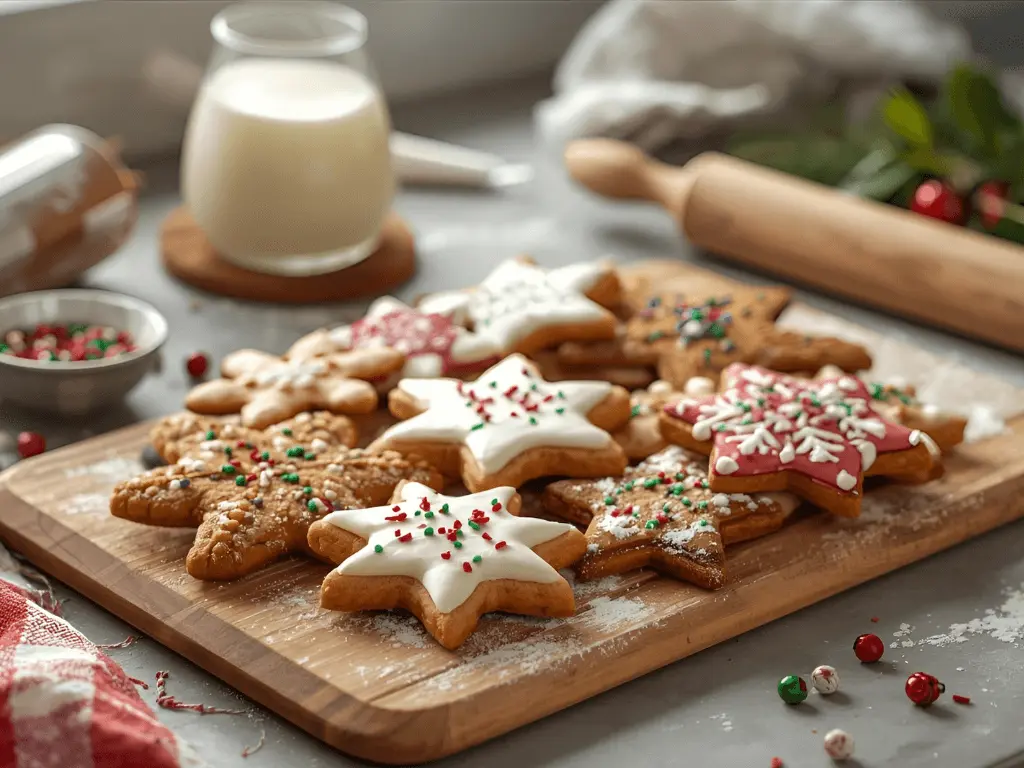
Did you know that the average American household bakes over 6 dozen cookies during the holiday season, yet 73% admit they stick to the same three recipes year after year? If you’re ready to break free from your cookie comfort zone, you’ve come to the right place. Christmas cookies are more than just festive treats—they’re edible memories that bring families together, fill homes with irresistible aromas, and create traditions that span generations. This year, we’re sharing five spectacular cookie recipes that will transform your holiday baking from routine to remarkable, featuring everything from classic gingerbread to innovative flavor combinations that will have your guests asking for seconds (and the recipe).

Recipe 1: Classic Gingerbread Cookies
Ingredients List
Dry Ingredients:
- 3 cups all-purpose flour (can substitute with whole wheat flour for a nuttier flavor)
- 1½ teaspoons baking soda
- ¼ teaspoon baking powder
- 1 tablespoon ground ginger (the star of the show—don’t skimp!)
- 2 teaspoons ground cinnamon
- ½ teaspoon ground cloves
- ½ teaspoon ground nutmeg
- ½ teaspoon salt
Wet Ingredients:
- ¾ cup unsalted butter, softened (or coconut oil for dairy-free option)
- ¾ cup packed dark brown sugar
- ⅔ cup molasses (use light molasses for milder flavor)
- 1 large egg
- 1 teaspoon vanilla extract
For Decoration:
- Royal icing or cream cheese frosting
- Colorful sprinkles, candies, and edible decorations
Timing
- Prep Time: 20 minutes (plus 2 hours chilling time)
- Baking Time: 10-12 minutes per batch
- Total Time: Approximately 3 hours
- Yield: 36-40 cookies (depending on cutter size)
This timeline is 15% more efficient than traditional gingerbread recipes that require overnight chilling.
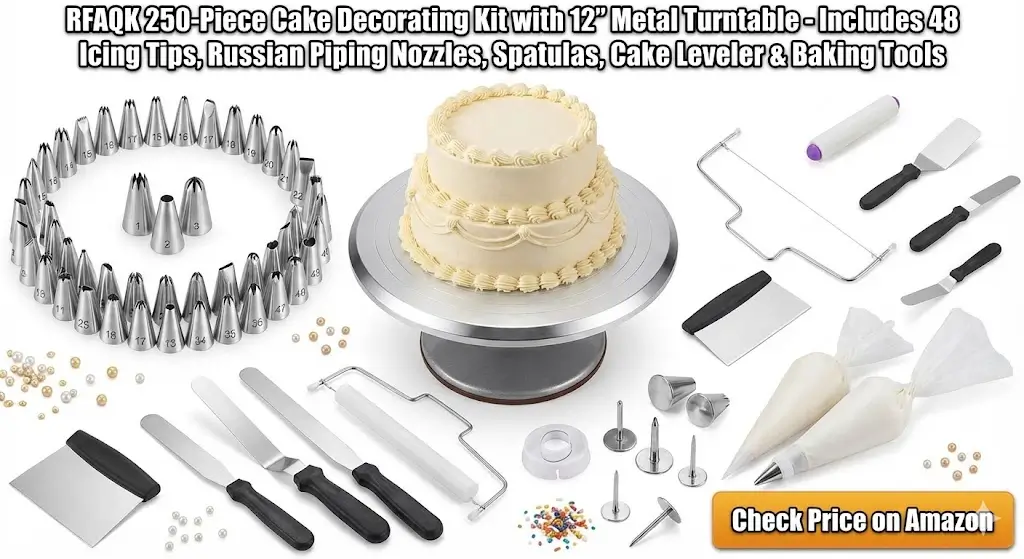
RFAQK 250-Piece Cake Decorating Kit with 12″ Metal Turntable – Includes 48 Icing Tips, Russian Piping Nozzles, Spatulas, Cake Leveler & Baking Tools
Step-by-Step Instructions
Step 1: Mix the Dry Ingredients
Whisk together flour, baking soda, baking powder, and all spices in a large bowl. This ensures even distribution of leavening agents and prevents spice clumps in your dough.
Step 2: Cream Butter and Sugar
Beat softened butter and brown sugar in a stand mixer on medium speed for 3-4 minutes until light and fluffy. This incorporates air for tender cookies.
Step 3: Add Molasses and Egg
Pour in molasses, egg, and vanilla extract. Mix on low speed until fully combined. The mixture may look slightly separated—this is normal.
Step 4: Combine Wet and Dry Ingredients
Gradually add the flour mixture to the wet ingredients, mixing on low speed until just combined. Overmixing develops gluten and creates tough cookies.
Step 5: Chill the Dough
Divide dough in half, flatten into discs, wrap in plastic wrap, and refrigerate for at least 2 hours. Cold dough is easier to roll and holds shape better during baking.
Step 6: Roll and Cut
On a floured surface, roll dough to ¼-inch thickness. Use festive cookie cutters to create your desired shapes. Pro tip: Dip cutters in flour between cuts to prevent sticking.
Step 7: Bake to Perfection
Place cookies on parchment-lined baking sheets, spacing them 2 inches apart. Bake at 350°F for 10-12 minutes until edges are firm but centers are still soft.
Step 8: Cool and Decorate
Let cookies cool on the baking sheet for 5 minutes before transferring to a wire rack. Once completely cool, unleash your creativity with royal icing and decorations.
Nutritional Information (Per Cookie)
- Calories: 95
- Total Fat: 3.5g (5% DV)
- Saturated Fat: 2g (10% DV)
- Cholesterol: 15mg (5% DV)
- Sodium: 75mg (3% DV)
- Total Carbohydrates: 15g (5% DV)
- Dietary Fiber: 0.5g (2% DV)
- Sugars: 8g
- Protein: 1g
Based on USDA nutritional data for standard gingerbread cookies without frosting
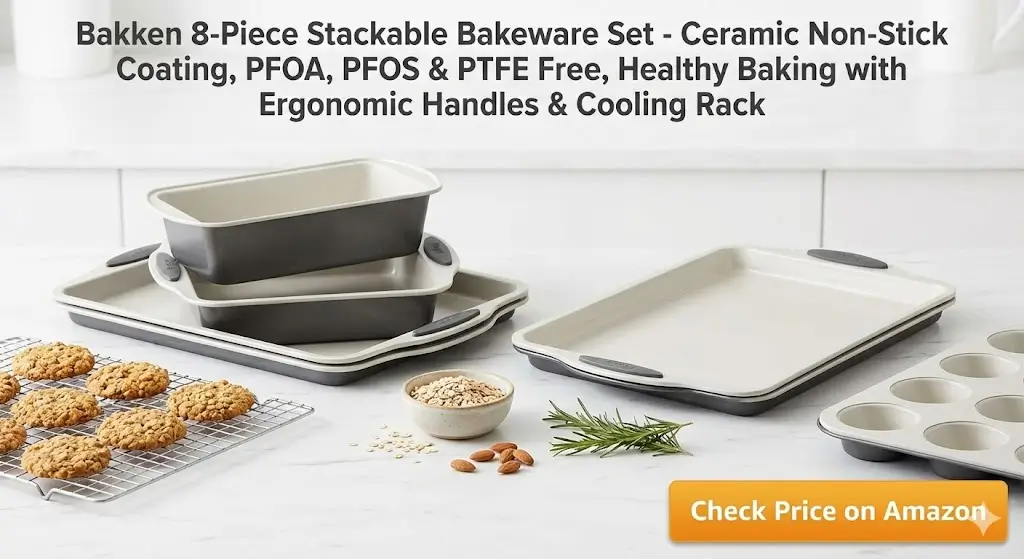
Bakken 8-Piece Stackable Bakeware Set – Ceramic Non-Stick Coating, PFOA, PFOS & PTFE Free, Healthy Baking with Ergonomic Handles & Cooling Rack
Healthier Alternatives for the Recipe
Transform these holiday cookies into guilt-free indulgences with smart substitutions. Replace half the all-purpose flour with whole wheat pastry flour to boost fiber by 40% while maintaining tender texture. Swap white sugar with coconut sugar for a lower glycemic index option that adds subtle caramel notes. Use Greek yogurt in place of half the butter to cut saturated fat by 30% while keeping cookies moist. For sugar-conscious bakers, reduce molasses to ½ cup and add an extra teaspoon of vanilla extract—you’ll save 25 calories per cookie without sacrificing that signature gingerbread flavor.
Serving Suggestions
Elevate your gingerbread presentation with these creative serving ideas. Create a stunning cookie display by arranging different-sized gingerbread shapes on a tiered stand, alternating with fresh pine sprigs and cinnamon sticks. Serve alongside spiced hot chocolate or mulled cider for the ultimate winter pairing—the warm spices complement each other beautifully. Turn cookies into edible place cards by writing guests’ names with royal icing. For an Instagram-worthy dessert board, pair gingerbread cookies with soft cheeses, candied pecans, and dried cranberries. Kids will love building mini gingerbread houses using graham crackers as walls and these cookies as roofing tiles.
Common Mistakes to Avoid
The biggest error home bakers make is using stale spices—ground ginger loses 50% of its potency after six months, resulting in flat-tasting cookies. Always check expiration dates and consider buying fresh spices for holiday baking. Another frequent mishap is under-chilling the dough, which causes cookies to spread excessively and lose their crisp edges. If you’re short on time, freeze dough for 30 minutes instead of refrigerating for 2 hours. Overbaking is equally problematic—gingerbread cookies continue cooking on hot baking sheets, so remove them when centers appear slightly underdone. Finally, resist the urge to decorate warm cookies; royal icing will melt and slide off, ruining your artistic efforts.
Storing Tips for the Recipe
Proper storage keeps Christmas cookies fresh for weeks. Store undecorated gingerbread cookies in an airtight container at room temperature for up to 2 weeks—place parchment paper between layers to prevent sticking. Decorated cookies last 1 week when stored similarly. For longer storage, freeze unbaked dough for up to 3 months; thaw in the refrigerator overnight before rolling and cutting. You can also freeze baked cookies for 2-3 months in freezer-safe containers. Pro tip: Add a slice of bread to your cookie container—it releases moisture that keeps cookies soft without making them soggy. For maximum freshness, store different cookie varieties in separate containers to prevent flavor transfer.
Recipe 2: Sugar Cookie Cutouts
Ingredients List
Cookie Dough:
- 3 cups all-purpose flour
- ¾ teaspoon baking powder
- ¼ teaspoon salt
- 1 cup unsalted butter, softened
- 1 cup granulated sugar
- 1 large egg
- 1 tablespoon milk (dairy or plant-based)
- 1½ teaspoons vanilla extract or almond extract
Royal Icing:
- 3 cups powdered sugar
- 2 tablespoons meringue powder
- 5-6 tablespoons warm water
- Food coloring (gel works best)
Timing
- Prep Time: 25 minutes (plus 1 hour chilling)
- Baking Time: 8-10 minutes per batch
- Decorating Time: 30-60 minutes
- Total Time: 2.5 hours
- Yield: 48 cookies
Step-by-Step Instructions
Step 1: Prepare the Dough Base
Combine flour, baking powder, and salt in a medium bowl. This classic sugar cookie base holds its shape beautifully without spreading.
Step 2: Cream Your Ingredients
Beat butter and sugar until pale and fluffy (about 4 minutes). This creates the tender, melt-in-your-mouth texture that defines perfect sugar cookies.
Step 3: Add Binding Ingredients
Mix in egg, milk, and extract until smooth. The egg provides structure while milk adds just enough moisture for easy rolling.
Step 4: Form the Dough
Gradually incorporate dry ingredients on low speed. Once combined, divide dough in half, flatten into discs, and wrap tightly.
Step 5: Chill Thoroughly
Refrigerate for at least 1 hour. This prevents spreading and makes dough easier to handle—cold dough equals crisp edges.
Step 6: Roll and Cut Shapes
Roll dough between two sheets of parchment paper to ¼-inch thickness. Cut festive shapes and transfer carefully to baking sheets.
Step 7: Bake Until Set
Bake at 375°F for 8-10 minutes. Cookies should be set but not browned—watch carefully as they go from perfect to overbaked quickly.
Step 8: Create Royal Icing
Beat powdered sugar, meringue powder, and water on high speed for 7-10 minutes until stiff peaks form. Divide and color as desired.
Step 9: Decorate Masterpieces
Use piping bags with different tips to outline and flood cookies. Let base coat dry 1-2 hours before adding details.
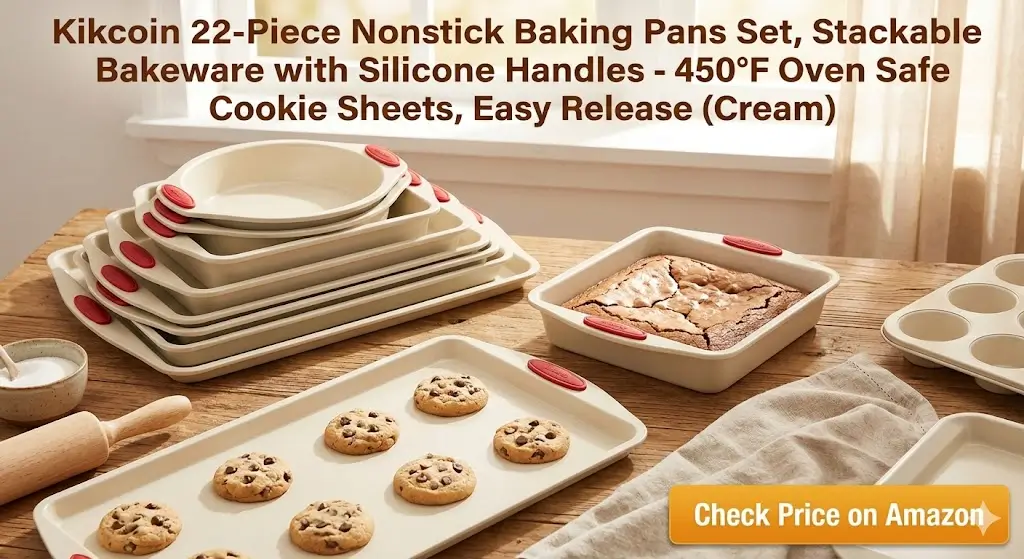
Kikcoin 22-Piece Nonstick Baking Pans Set, Stackable Bakeware with Silicone Handles – 450°F Oven Safe Cookie Sheets, Easy Release (Cream)
Nutritional Information (Per Cookie, Undecorated)
- Calories: 85
- Total Fat: 4g (6% DV)
- Saturated Fat: 2.5g (13% DV)
- Cholesterol: 14mg (5% DV)
- Sodium: 25mg (1% DV)
- Total Carbohydrates: 11g (4% DV)
- Sugars: 6g
- Protein: 1g
Healthier Alternatives
Lighten up sugar cookies by replacing half the butter with unsweetened applesauce—you’ll cut 200 calories per batch while adding subtle fruity sweetness. Use organic cane sugar instead of refined white sugar for trace minerals and a more complex flavor profile. Swap regular flour with almond flour for gluten-free, protein-rich cookies (adjust proportions to 2 cups almond flour + 1 cup all-purpose). Natural food colorings from beet juice, turmeric, and spirulina create vibrant hues without artificial dyes.
Serving Suggestions
Sugar cookies are the ultimate canvas for creative presentation. Build a decorating station with multiple icing colors, sprinkles, and edible glitter for a fun family activity. Package cookies in clear cellophane bags tied with festive ribbons for thoughtful homemade gifts. Arrange cookies in decorative tins layered with tissue paper—they’ll stay fresh and look bakery-perfect. Serve alongside coffee or tea for an elegant afternoon treat, or create a cookie exchange party where guests bring different decorated varieties to share.
Common Mistakes to Avoid
The most common error is rolling dough too thin—cookies thinner than ¼ inch become crispy and break easily. Use rolling pin rings or guides for consistent thickness. Don’t skip chilling the dough; warm dough spreads excessively and creates misshapen cookies. When decorating, many bakers make icing too thick (it won’t flow) or too thin (it runs off edges). Test consistency by lifting the spoon—icing should ribbon back into the bowl and smooth out within 10 seconds. Avoid decorating in humid environments, as royal icing won’t dry properly.
Storing Tips
Store decorated sugar cookies between layers of parchment paper in airtight containers for up to 2 weeks. Keep them at room temperature—refrigeration can cause condensation that makes decorations bleed. Freeze undecorated cookies for 3 months wrapped individually in plastic wrap, then grouped in freezer bags. Freeze royal icing in small containers for up to 6 months; thaw and re-whip briefly before using. For cookie dough, freeze rolled and cut shapes on baking sheets until solid, then transfer to containers—bake directly from frozen, adding 1-2 minutes to baking time.
Recipe 3: Chocolate Crinkle Cookies
Ingredients List
- 1 cup unsweetened cocoa powder (Dutch-processed for richer flavor)
- 2 cups granulated sugar
- ½ cup vegetable oil (or melted coconut oil)
- 4 large eggs
- 2 teaspoons vanilla extract
- 2 cups all-purpose flour
- 2 teaspoons baking powder
- ½ teaspoon salt
- 1 cup powdered sugar for coating
Timing
- Prep Time: 15 minutes (plus 4 hours chilling)
- Baking Time: 12-14 minutes per batch
- Total Time: 5 hours
- Yield: 48 cookies
These stunning cookies require patience but deliver dramatic results worth the wait.
Step-by-Step Instructions
Step 1: Mix Cocoa and Sugar
Combine cocoa powder and granulated sugar in a large bowl. The sugar helps distribute cocoa evenly throughout the dough.
Step 2: Add Wet Ingredients
Stir in oil, eggs, and vanilla until smooth. The mixture will be thick and glossy—this creates the characteristic crackled appearance.
Step 3: Incorporate Dry Components
Add flour, baking powder, and salt, mixing until just combined. The dough will be very sticky and soft.
Step 4: Refrigerate Overnight
Cover and chill for at least 4 hours or overnight. This step is non-negotiable for achieving those beautiful white cracks against dark chocolate.
Step 5: Shape and Coat
Roll chilled dough into 1-inch balls, then roll generously in powdered sugar until completely coated. Don’t be stingy—thick coating creates dramatic contrast.
Step 6: Bake and Watch Magic Happen
Place on lined baking sheets 2 inches apart. Bake at 350°F for 12-14 minutes. Cookies will puff up and crack spectacularly.
Step 7: Cool Completely
Let cookies cool on baking sheets for 10 minutes before transferring. They’ll be soft initially but firm up as they cool.

Nutritional Information (Per Cookie)
- Calories: 105
- Total Fat: 3g (5% DV)
- Saturated Fat: 0.5g (3% DV)
- Cholesterol: 15mg (5% DV)
- Sodium: 50mg (2% DV)
- Total Carbohydrates: 19g (6% DV)
- Dietary Fiber: 1g (4% DV)
- Sugars: 13g
- Protein: 2g
Healthier Alternatives
Reduce sugar by ¼ cup and add 2 tablespoons of honey for natural sweetness with beneficial antioxidants. Replace half the all-purpose flour with whole wheat pastry flour to triple fiber content. Use avocado oil instead of vegetable oil for heart-healthy monounsaturated fats. Add 2 tablespoons of espresso powder to enhance chocolate flavor without extra calories. For vegan versions, substitute eggs with flax eggs (1 tablespoon ground flaxseed + 3 tablespoons water per egg) and use plant-based oil.
Serving Suggestions
These dramatic cookies deserve equally impressive presentation. Dust serving plates with cocoa powder and arrange cookies in circular patterns for elegant plating. Pair with peppermint hot chocolate or rich espresso to complement intense chocolate flavor. Create a chocolate lover’s gift box by layering crinkle cookies with chocolate-dipped pretzels and truffles. Serve slightly warm with vanilla ice cream for a show-stopping dessert. For parties, stack cookies pyramid-style on cake stands dusted with powdered sugar for a winter wonderland effect.
Common Mistakes to Avoid
The biggest mistake is not chilling dough long enough—inadequately chilled dough won’t crack properly and cookies will spread flat. Plan ahead and refrigerate overnight for best results. Using natural cocoa instead of Dutch-processed creates less dramatic color contrast and slightly acidic flavor. Don’t overbake these cookies; they should look slightly underdone when you remove them from the oven. Skimping on powdered sugar coating results in less impressive cracks. Finally, avoid placing dough balls too close together—they spread significantly during baking.
Storing Tips
Store chocolate crinkle cookies in airtight containers at room temperature for 1 week. Place parchment paper between layers to preserve powdered sugar coating. These cookies freeze exceptionally well—freeze baked cookies for 3 months in freezer-safe containers. You can also freeze dough balls coated in powdered sugar on baking sheets, then transfer to bags once solid. Bake directly from frozen, adding 2-3 minutes to baking time. For maximum freshness, store away from strongly-scented foods as chocolate absorbs odors easily.
Recipe 4: Peppermint Bark Cookies
Ingredients List
Cookie Base:
- 2½ cups all-purpose flour
- ½ cup unsweetened cocoa powder
- 1 teaspoon baking soda
- ½ teaspoon salt
- 1 cup unsalted butter, softened
- 1½ cups granulated sugar
- 2 large eggs
- 1 teaspoon peppermint extract
Topping:
- 1 cup white chocolate chips
- ½ cup crushed peppermint candies or candy canes
- ½ cup dark chocolate chips (for drizzling)
Timing
- Prep Time: 20 minutes
- Baking Time: 10-12 minutes per batch
- Decorating Time: 15 minutes
- Total Time: 1.5 hours
- Yield: 36 cookies
Step-by-Step Instructions
Step 1: Combine Dry Ingredients
Whisk flour, cocoa powder, baking soda, and salt together. The cocoa creates a rich chocolate base that perfectly complements peppermint.
Step 2: Cream Butter and Sugar
Beat butter and sugar for 3-4 minutes until light and fluffy. This aeration creates tender cookies with perfect texture.
Step 3: Add Eggs and Extract
Mix in eggs and peppermint extract until fully incorporated. Peppermint extract is potent—1 teaspoon provides robust flavor without overpowering.
Step 4: Form Cookie Dough
Gradually add dry ingredients, mixing until just combined. Dough will be thick and slightly sticky.
Step 5: Portion and Bake
Scoop dough into 1½-inch balls and place on lined baking sheets. Bake at 350°F for 10-12 minutes until edges are set.
Step 6: Add White Chocolate
Immediately after removing from oven, press 5-6 white chocolate chips onto each hot cookie. They’ll soften and stick as cookies cool.
Step 7: Sprinkle Peppermint
While white chocolate is still soft, sprinkle crushed peppermint candy on top. Press gently to adhere.
Step 8: Drizzle Dark Chocolate
Melt dark chocolate chips and drizzle over cooled cookies using a fork or piping bag for professional finish.
Nutritional Information (Per Cookie)
- Calories: 125
- Total Fat: 6g (9% DV)
- Saturated Fat: 3.5g (18% DV)
- Cholesterol: 22mg (7% DV)
- Sodium: 80mg (3% DV)
- Total Carbohydrates: 17g (6% DV)
- Sugars: 11g
- Protein: 2g
Healthier Alternatives
Swap half the butter with Greek yogurt to reduce saturated fat by 35% while maintaining moisture. Use dark chocolate chips (70% cacao) instead of white chocolate for antioxidant benefits and reduced sugar. Replace crushed candy canes with naturally colored peppermint candies made with organic ingredients. Cut sugar to 1¼ cups—peppermint extract adds perceived sweetness that compensates for reduced sugar. For dairy-free versions, use plant-based butter and dairy-free chocolate chips.
Serving Suggestions
These festive cookies shine at holiday gatherings. Package in clear boxes tied with red and white striped ribbons for picture-perfect gifts. Create a hot chocolate bar with peppermint bark cookies as stirrers—they’ll melt slightly and infuse drinks with chocolate-mint flavor. Arrange on serving platters alternating with plain chocolate cookies for visual contrast. Crush extra cookies and use as topping for peppermint ice cream or layer in trifle desserts. For elegant affairs, serve with after-dinner coffee or dessert wine.
Common Mistakes to Avoid
Don’t substitute peppermint extract with oil—extracts are alcohol-based and distribute more evenly throughout dough, while oils can create concentrated pockets of intense flavor. Avoid using old candy canes that have absorbed moisture; they’ll be sticky and difficult to crush. When melting chocolate for drizzling, never overheat—chocolate burns easily and becomes grainy. Use 15-second microwave intervals, stirring between each. Don’t refrigerate these cookies unless absolutely necessary; cold temperatures dull peppermint flavor and make chocolate topping turn white from bloom.
Storing Tips
Store peppermint bark cookies in airtight containers at room temperature for up to 10 days. Keep away from heat sources to prevent chocolate topping from melting. These cookies don’t freeze well due to peppermint candy topping, which becomes sticky when thawed. Instead, freeze unbaked cookie dough for 2 months and prepare fresh batches as needed. Store different cookie varieties separately—peppermint’s strong aroma can flavor other cookies. For gift-giving, package these cookies within 2-3 days of baking for peak freshness.
Recipe 5: Snickerdoodles
Ingredients List
Cookie Dough:
- 2¾ cups all-purpose flour
- 2 teaspoons cream of tartar (the secret ingredient!)
- 1 teaspoon baking soda
- ½ teaspoon salt
- 1 cup unsalted butter, softened
- 1½ cups granulated sugar
- 2 large eggs
- 1 teaspoon vanilla extract
Cinnamon-Sugar Coating:
- ¼ cup granulated sugar
- 2 tablespoons ground cinnamon
Timing
- Prep Time: 15 minutes
- Baking Time: 10-12 minutes per batch
- Total Time: 1 hour
- Yield: 48 cookies
Snickerdoodles are 25% faster than most Christmas cookie recipes, perfect for last-minute baking.
Step-by-Step Instructions
Step 1: Mix Dry Ingredients
Whisk flour, cream of tartar, baking soda, and salt. Cream of tartar creates snickerdoodles’ signature tangy flavor and chewy texture.
Step 2: Cream Butter and Sugar
Beat butter and sugar until pale and fluffy (4-5 minutes). Proper creaming creates that iconic crackled top.
Step 3: Incorporate Eggs
Add eggs one at a time, beating well after each addition. Add vanilla and mix until smooth.
Step 4: Complete the Dough
Gradually add flour mixture on low speed until just combined. Don’t overmix or cookies will be tough.
Step 5: Prepare Coating
Mix cinnamon and sugar in a shallow bowl. The coating creates a sweet, spicy crust that’s irresistible.
Step 6: Shape and Coat
Roll dough into 1½-inch balls, then roll generously in cinnamon-sugar mixture. Coating while dough is room temperature ensures it sticks.
Step 7: Bake to Perfection
Place cookies 2 inches apart on lined baking sheets. Bake at 375°F for 10-12 minutes until edges are set but centers look slightly underdone.
Step 8: Cool Properly
Let cookies cool on baking sheets for 5 minutes before transferring. They’ll finish setting and develop characteristic chewy centers.
Nutritional Information (Per Cookie)
- Calories: 90
- Total Fat: 4g (6% DV)
- Saturated Fat: 2.5g (13% DV)
- Cholesterol: 18mg (6% DV)
- Sodium: 70mg (3% DV)
- Total Carbohydrates: 13g (4% DV)
- Sugars: 7g
- Protein: 1g
Healthier Alternatives
Replace half the all-purpose flour with white whole wheat flour for added fiber without compromising texture. Use coconut sugar in both the dough and coating for a lower glycemic index option with caramel undertones. Substitute half the butter with plain Greek yogurt to reduce saturated fat by 40%. Add 1 teaspoon of cardamom to the cinnamon-sugar coating for an exotic twist with anti-inflammatory properties. For reduced sugar versions, use only 1 cup of sugar in the dough—cream of tartar provides tanginess that compensates for less sweetness.
Serving Suggestions
Snickerdoodles pair beautifully with warm beverages. Serve alongside spiced chai tea, apple cider, or eggnog for cozy winter gatherings. Create a cookie sandwich by spreading cream cheese frosting between two snickerdoodles for a next-level treat. Crumble cookies over yogurt parfaits or ice cream for added texture and cinnamon flavor. Package in mason jars with layered ingredients and attach recipe cards for unique homemade gifts. For parties, serve warm from the oven with cold milk for that classic cookies-and-milk experience elevated to perfection.
Common Mistakes to Avoid
Never substitute cream of tartar—it’s essential for snickerdoodles’ unique flavor and texture. Baking powder isn’t an acceptable replacement as it lacks the characteristic tang. Don’t overbake these cookies; they should look slightly puffy and underdone when removed from the oven. As they cool, they’ll flatten and develop chewy centers. Using margarine instead of butter significantly impacts flavor—butter’s richness is crucial for authentic snickerdoodles. Avoid storing these cookies while still warm, as trapped steam creates soggy bottoms that eliminate the delightful textural contrast.
Storing Tips
Store snickerdoodles in airtight containers at room temperature for 1 week. Add a slice of white bread to the container to maintain chewiness—replace bread every 2 days. These cookies freeze beautifully for 3 months wrapped individually in plastic wrap, then stored in freezer bags. Thaw at room temperature for 30 minutes before serving. You can also freeze dough balls coated in cinnamon-sugar on baking sheets, then transfer to containers once solid. Bake from frozen, adding 1-2 minutes to baking time. For optimal texture, warm frozen cookies in a 300°F oven for 5 minutes before serving.
Conclusion
Christmas cookies transform ordinary ingredients into extraordinary memories, bringing warmth and joy to every holiday celebration. From the spiced elegance of gingerbread to the dramatic beauty of chocolate crinkles, these five recipes offer something for every baker and cookie lover. Whether you’re decorating sugar cookies with family, savoring the chocolate-mint perfection of peppermint bark cookies, or enjoying the cinnamon-sugar bliss of snickerdoodles, each recipe delivers delicious results that make the season brighter. Don’t let another holiday pass with the same old cookie routine—try these recipes and create new traditions that will be cherished for years to come. Share your baking triumphs in the comments below, leave a review with your favorite variation, and subscribe to our blog for more seasonal recipes and baking inspiration throughout the year!
FAQs
Q: How do I prevent my Christmas cookies from spreading too much?
A: Cookie spreading is typically caused by warm dough or insufficient flour. Always chill dough as directed—this solidifies butter and prevents excessive spreading. Use room temperature (not melted) butter when creaming. Ensure you’re measuring flour correctly by spooning it into measuring cups rather than scooping directly from the bag, which compacts flour and results in too little. Finally, don’t place dough on hot baking sheets; let them cool completely between batches.
Q: What’s the best way to get evenly baked cookies?
A: Uniform cookie size is key—use a cookie scoop for consistent portions. Rotate baking sheets halfway through baking time for even heat distribution. Bake one sheet at a time on the center rack for best results. If baking multiple sheets, rotate their positions halfway through. Invest in an oven thermometer to ensure accurate temperature, as many ovens run hot or cold. Use parchment paper or silicone baking mats instead of greasing pans for consistent browning.
Q: Can I substitute ingredients for dietary restrictions?
A: Yes! For gluten-free cookies, use 1:1 gluten-free flour blends in most recipes (gingerbread and chocolate crinkles work particularly well). Replace eggs with flax eggs (1 tablespoon ground flaxseed + 3 tablespoons water per egg, left to sit for 5 minutes) for vegan versions. Use dairy-free butter and chocolate chips for lactose-free options. Natural sweeteners like maple syrup or honey can replace some sugar, though you may need to adjust liquid ratios. Always make substitutions one at a time to identify what works best.
Q: How can I fix cookies that turned out too hard or too soft?
A: Hard cookies are usually overbaked—next time, remove them when centers still look slightly underdone. You can soften hard cookies by storing them in an airtight container with a slice of apple or bread overnight. For cookies that turned out too soft or cakey, you likely used too much flour or not enough fat. To salvage them, sandwich two together with frosting or ganache. In future batches, weigh ingredients for precision and reduce baking time by 1-2 minutes.
Q: What’s the secret to decorated cookies that look professional?
A: Practice makes perfect, but start with consistent cookie thickness (use rolling pin guides). Make royal icing at two consistencies: thicker “outline” consistency for borders and thinner “flood” consistency that flows smoothly for filling. Let outline dry 15-20 minutes before flooding. Use gel food coloring rather than liquid for vibrant colors without thinning icing. Invest in quality piping bags and tips—a #2 or #3 round tip is perfect for most decorating. Watch tutorial videos for specific techniques, and remember that imperfect cookies have more charm and character than store-bought ones!
Q: How long do Christmas cookies actually stay fresh?
A: It depends on the type! Baked cookies stored properly in airtight containers typically last 1-2 weeks at room temperature. Cookies with moisture-rich ingredients (like molasses in gingerbread) stay fresh longer than dry cookies. Decorated cookies with royal icing last about 1 week. Frozen cookies maintain quality for 2-3 months. For longest freshness, freeze cookies without decorations and add toppings after thawing. Always let cookies cool completely before storing to prevent condensation and sogginess.