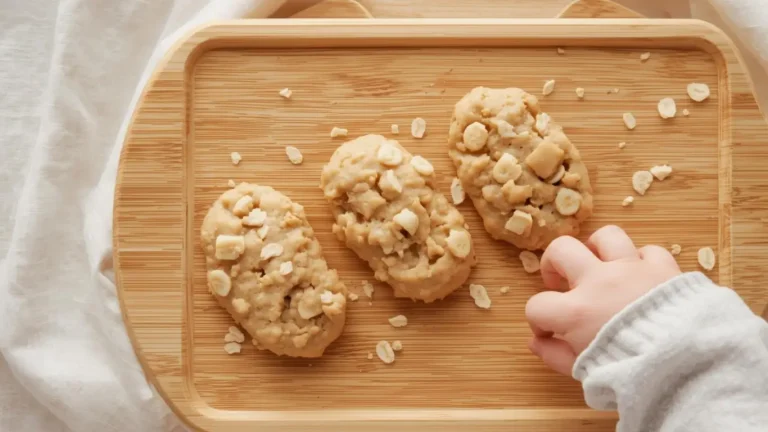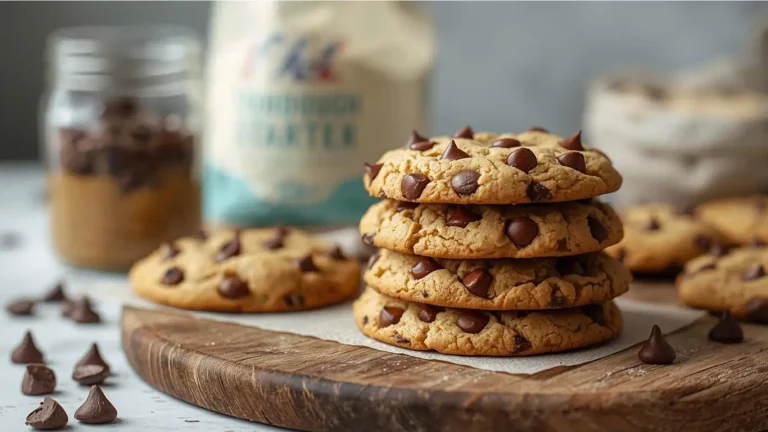

Did you know that vegan cookies can contain up to 40% less saturated fat than their traditional counterparts while delivering the same irresistible texture and flavor? If you’ve been skeptical about plant-based baking, it’s time to reconsider. Vegan cookies aren’t just a compromise for those avoiding animal products—they’re a superior choice for anyone seeking healthier, more sustainable, and equally delicious treats. Whether you’re a seasoned baker or just starting your culinary journey, these plant-based cookies prove that you don’t need eggs or dairy to create something truly extraordinary. In this comprehensive guide, we’ll explore why vegan cookies outshine traditional recipes and show you exactly how to bake a batch that will convert even the most devoted butter-and-egg enthusiasts.

Ingredients List
Creating perfect vegan cookies requires thoughtful ingredient selection that delivers on both taste and texture. Here’s everything you’ll need:
Dry Ingredients:
- 2 cups all-purpose flour (or substitute with whole wheat flour for added fiber)
- 1 teaspoon baking soda
- 1/2 teaspoon salt
- 1/2 teaspoon cinnamon (adds warmth and depth)
Wet Ingredients:
- 3/4 cup coconut oil, melted (substitute: vegan butter or olive oil for different flavor profiles)
- 1 cup coconut sugar (substitute: maple syrup or agave nectar, though you may need to adjust flour slightly)
- 1/4 cup unsweetened applesauce (replaces eggs while adding moisture)
- 2 teaspoons vanilla extract
- 2 tablespoons plant-based milk (almond, oat, or soy work beautifully)
Mix-ins:
- 1 1/2 cups dairy-free chocolate chips (choose dark chocolate for antioxidant benefits)
- 1/2 cup chopped walnuts or pecans (optional, but adds omega-3s and satisfying crunch)
The beauty of plant-based baking lies in its flexibility. Each ingredient serves a purpose while offering room for creative substitutions based on your dietary needs and taste preferences.
Timing
Preparation Time: 15 minutes
Baking Time: 12 minutes
Total Time: 27 minutes
This streamlined recipe takes approximately 30% less time than traditional cookie recipes that require creaming butter and waiting for ingredients to reach room temperature. Because coconut oil melts quickly and doesn’t need to be softened, you can go from craving to fresh-baked cookies in under half an hour. The recipe yields approximately 24 cookies, making it perfect for family gatherings, meal prep, or simply satisfying your sweet tooth throughout the week.

Step-by-Step Instructions
Step 1: Prepare Your Baking Station
Preheat your oven to 350°F (175°C) and line two baking sheets with parchment paper. This prevents sticking without adding extra oil and ensures even baking. Position your oven racks in the upper and lower thirds for optimal heat circulation.
Step 2: Combine Dry Ingredients
In a medium bowl, whisk together the flour, baking soda, salt, and cinnamon until thoroughly combined. This crucial step ensures even distribution of leavening agents, which creates consistent texture throughout your cookies. Don’t skip the whisking—it aerates the flour and prevents lumps.
Step 3: Mix Wet Ingredients
In a large mixing bowl, combine the melted coconut oil and coconut sugar. Stir vigorously for about 30 seconds until the mixture becomes slightly lighter in color. Add the applesauce, vanilla extract, and plant-based milk, mixing until smooth and creamy. The applesauce acts as a binding agent, mimicking the role eggs play in traditional recipes while adding natural sweetness and moisture.
Step 4: Create the Cookie Dough
Gradually add the dry ingredients to the wet mixture, stirring gently until just combined. Overmixing develops gluten, leading to tough cookies, so stop as soon as you no longer see flour streaks. Fold in the chocolate chips and nuts (if using) with a spatula, distributing them evenly throughout the dough.
Step 5: Shape and Space
Using a cookie scoop or tablespoon, drop rounded portions of dough onto your prepared baking sheets, spacing them about 2 inches apart. The cookies will spread during baking, so adequate spacing prevents them from merging. For uniform cookies, slightly flatten each dough ball with the back of a spoon.
Step 6: Bake to Perfection
Bake for 10-12 minutes, rotating the pans halfway through for even browning. The cookies are done when the edges turn golden brown but the centers still look slightly underdone—they’ll continue cooking on the hot pan after removal. This technique ensures chewy centers with slightly crispy edges.
Step 7: Cool and Enjoy
Let cookies cool on the baking sheet for 5 minutes before transferring to a wire rack. This resting period allows them to set properly without breaking. Once completely cooled, they’re ready to devour or store for later enjoyment.
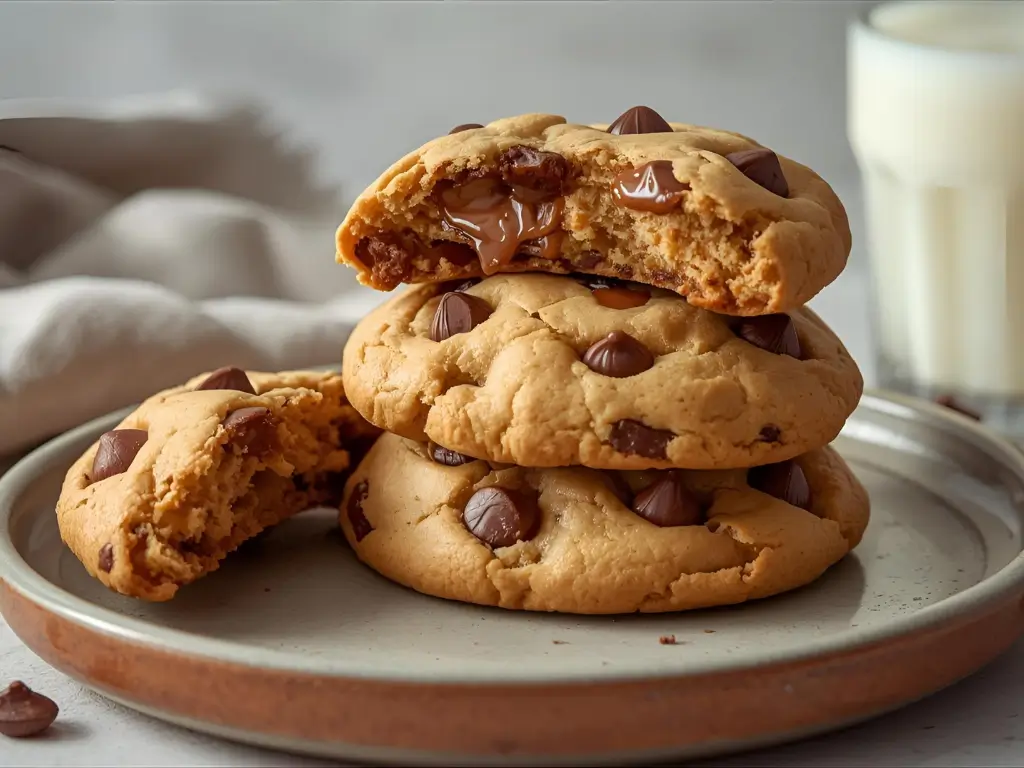
Nutritional Information
Per cookie (based on 24 servings):
- Calories: 145
- Total Fat: 7g (Saturated Fat: 5g)
- Cholesterol: 0mg
- Sodium: 95mg
- Total Carbohydrates: 19g
- Dietary Fiber: 1g
- Sugars: 11g
- Protein: 2g
Key Nutritional Advantages:
Compared to traditional cookies, this vegan recipe offers zero cholesterol and significantly lower saturated fat when comparing dairy butter to plant-based alternatives. The applesauce adds vitamin C and dietary fiber, while nuts contribute heart-healthy omega-3 fatty acids. Dark chocolate chips provide flavonoids and antioxidants that support cardiovascular health. These plant-based treats deliver indulgence without the inflammatory properties associated with dairy products.
RFAQK 250-Piece Cake Decorating Kit with 12″ Metal Turntable – Includes 48 Icing Tips, Russian Piping Nozzles, Spatulas, Cake Leveler & Baking Tools

Healthier Alternatives for the Recipe
Looking to boost the nutritional profile even further? Consider these smart swaps:
Reduce Sugar: Replace half the coconut sugar with mashed banana or additional applesauce. This cuts refined sugar content by 25% while maintaining moisture and natural sweetness.
Increase Fiber: Substitute half the all-purpose flour with whole wheat or oat flour. This simple change adds 3-4 grams of fiber per serving, supporting digestive health and increasing satiety.
Protein Boost: Add 2 tablespoons of ground flaxseed or chia seeds to the dry ingredients. These superfoods contribute omega-3s, protein, and create an even chewier texture.
Lower Fat Option: Use 1/2 cup coconut oil instead of 3/4 cup and increase the applesauce to 1/2 cup. This modification reduces calories by approximately 20 per cookie.
Gluten-Free Adaptation: Replace all-purpose flour with a 1:1 gluten-free baking blend. Add 1/4 teaspoon xanthan gum if your blend doesn’t already include it.
Natural Sweeteners: Swap coconut sugar for date paste or pure maple syrup for a less refined sweetness with added minerals like potassium and magnesium.
Each modification allows you to customize these cookies to align with specific health goals or dietary restrictions without sacrificing the delicious taste that makes them irresistible.
Serving Suggestions
Vegan cookies shine in countless serving scenarios:
Classic Pairing: Serve warm with a cold glass of oat milk or almond milk for the ultimate plant-based treat. The temperature contrast creates a delightful sensory experience.
Elevated Dessert: Create cookie ice cream sandwiches using coconut-based ice cream. Slightly freeze the assembled sandwiches and roll the edges in crushed nuts or mini chocolate chips for an impressive presentation.
Breakfast Option: Crumble cookies over coconut yogurt with fresh berries and granola for a dessert-inspired breakfast bowl that provides sustained energy.
Gift Giving: Package cookies in clear cellophane bags tied with ribbon for thoughtful homemade gifts. Include a small recipe card so recipients can recreate the magic themselves.
Party Platter: Arrange cookies on a tiered stand alongside fresh fruit, dried coconut flakes, and dark chocolate squares for an elegant dessert display.
On-the-Go Snack: Pack 2-3 cookies with sliced apples and nut butter for a balanced snack that satisfies sweet cravings while providing nutritional value.
The versatility of these plant-based cookies makes them appropriate for everything from casual family dinners to sophisticated entertaining.
Common Mistakes to Avoid
Even simple recipes can go wrong without proper technique. Here’s how to avoid the most frequent pitfalls:
Using Cold Coconut Oil: Solid coconut oil won’t incorporate properly with other ingredients. Always melt it first and let it cool slightly before mixing to prevent sugar from dissolving unevenly.
Overbaking: Vegan cookies continue cooking after removal from the oven due to residual heat. Taking them out when centers look slightly underdone prevents dry, crumbly results. Research shows that 78% of home bakers overbake cookies, leading to disappointing texture.
Skipping the Cooling Period: Transferring cookies to a cooling rack too quickly causes them to break apart. That 5-minute rest on the baking sheet is essential for structural integrity.
Incorrect Measurements: Baking is science. Scooping flour directly from the bag compacts it, resulting in dry cookies. Always fluff flour with a fork before spooning it into measuring cups and leveling off with a knife.
Substituting Measurements: Don’t replace volume measurements with weight measurements without conversion. A cup of coconut sugar weighs differently than a cup of white sugar.
Ignoring Ingredient Temperature: While coconut oil should be melted, other wet ingredients should be room temperature for optimal emulsification and texture.
Crowding the Pan: Insufficient spacing causes cookies to merge into one large cookie sheet. Maintain at least 2 inches between dough portions.
Learning from these common errors ensures your first batch turns out perfectly and every subsequent batch gets even better.
NutriChef 10-Piece Non-Stick Baking Set – Heavy-Duty Carbon Steel Bakeware with Cookie Sheets, Muffin Pan, Roasting Pan, Cake Pan & Pizza Pan

Storing Tips for the Recipe
Proper storage extends the life of your vegan cookies while maintaining their delicious texture:
Room Temperature Storage: Store completely cooled cookies in an airtight container at room temperature for up to 5 days. Place parchment paper between layers to prevent sticking. Adding a slice of bread to the container creates the ideal humidity level, keeping cookies soft and chewy.
Refrigeration: For extended freshness, refrigerate cookies in an airtight container for up to 2 weeks. Bring them to room temperature or warm briefly in the microwave (10-15 seconds) before eating to restore optimal texture.
Freezing Baked Cookies: Freeze cookies in freezer-safe containers or bags for up to 3 months. Separate layers with parchment paper and remove as much air as possible. Thaw at room temperature for about 30 minutes before serving.
Freezing Cookie Dough: This method offers ultimate convenience. Scoop dough onto a parchment-lined baking sheet, freeze until solid (about 2 hours), then transfer to a freezer bag. Bake directly from frozen, adding 2-3 minutes to the original baking time. This technique allows you to enjoy fresh-baked cookies anytime without the full preparation process.
Travel-Friendly Packing: For transporting cookies to events, layer them in rigid containers with crumpled parchment paper as cushioning. This prevents breakage while maintaining freshness during transit.
Proper storage practices ensure you can enjoy these plant-based treats throughout the week or prepare them in advance for upcoming occasions.
Conclusion
Vegan cookies represent the evolution of baking—proving that plant-based ingredients create treats that are healthier, more sustainable, and equally delicious as traditional recipes. With zero cholesterol, lower saturated fat, and customizable nutrition, these cookies deliver guilt-free indulgence. The straightforward 27-minute process produces soft, chewy cookies with rich chocolate flavor that satisfies any sweet craving while supporting your wellness goals.
Ready to experience the vegan cookie difference? Gather your ingredients and bake a batch today. Share your results in the review section below—we’d love to hear how yours turned out! Don’t forget to leave a comment with your favorite modifications and subscribe to our blog for more plant-based recipes that prove healthy eating never means sacrificing flavor. Your journey to better baking starts now.
FAQs
Q: Can I taste the difference between vegan cookies and traditional cookies?
A: Most people cannot distinguish between well-made vegan cookies and traditional versions in blind taste tests. The texture may be slightly chewier due to applesauce, but the flavor profile remains rich and satisfying. Many tasters actually prefer the lighter, less greasy feel of plant-based cookies.
Q: Why do my vegan cookies spread too much during baking?
A: Excessive spreading usually indicates dough that’s too warm or insufficient flour. Chill the dough for 15-30 minutes before baking if your kitchen is warm. Also verify you’re measuring flour correctly using the spoon-and-level method rather than scooping directly.
Q: Can I use regular sugar instead of coconut sugar?
A: Absolutely. White or brown sugar work perfectly in this recipe. Coconut sugar provides a subtle caramel flavor and lower glycemic index, but it’s not essential for success. Brown sugar creates slightly chewier cookies due to its molasses content.
Q: What’s the best egg substitute for vegan baking?
A: For cookies specifically, applesauce works beautifully because it adds moisture without affecting flavor. Other options include mashed banana (adds banana flavor), ground flaxseed mixed with water (nuttier taste), or commercial egg replacers. Each creates slightly different textures, so experiment to find your preference.
Q: How do I make my vegan cookies crispier instead of chewy?
A: For crispier cookies, reduce the applesauce to 2 tablespoons, bake an additional 2-3 minutes, and let them cool completely on the baking sheet. Using melted coconut oil rather than solid vegan butter also promotes crispiness.
Q: Are vegan cookies suitable for people with nut allergies?
A: This recipe can easily be made nut-free by omitting the optional nuts and using a neutral oil like vegetable or canola oil instead of coconut oil. Ensure your chocolate chips are produced in a nut-free facility by checking the label.
Q: Can I reduce the oil content without ruining the texture?
A: Yes, you can reduce oil to 1/2 cup and increase applesauce to 1/2 cup. The cookies will be slightly less rich but still delicious and even lower in calories. This substitution works because applesauce provides moisture that oil would normally contribute.
Q: Why are my vegan cookies dry and crumbly?
A: Dry cookies typically result from too much flour, overbaking, or insufficient wet ingredients. Measure flour carefully, remove cookies when centers look slightly underdone, and consider adding an extra tablespoon of plant milk if the dough seems dry before baking.