
Did you know that 58% of homemade Valentine’s Day treats fail because of one critical mistake in the dough preparation process? If you’ve ever wondered why your heart-shaped cookies spread into blobs or crack when decorating, you’re about to discover the secret to flawless results. Valentine cookies are more than just festive treats—they’re edible expressions of love that require precision, patience, and the right technique. Whether you’re baking for a romantic partner, planning a classroom celebration, or hosting a Galentine’s party, mastering the art of perfect cut-out cookies transforms ordinary ingredients into stunning, Instagram-worthy confections. These seven foolproof steps will guide you through creating beautifully shaped, deliciously tender Valentine cookies that hold their shape, accept royal icing like a dream, and taste as amazing as they look.

Ingredients List
Crafting picture-perfect Valentine cookies starts with quality ingredients and precise measurements. Here’s everything you need:
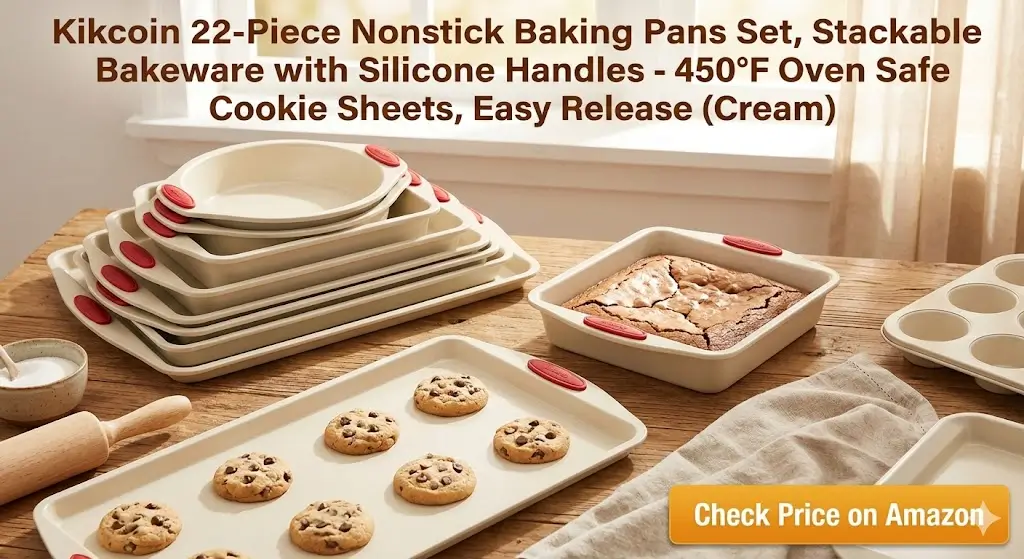
Kikcoin 22-Piece Nonstick Baking Pans Set, Stackable Bakeware with Silicone Handles – 450°F Oven Safe Cookie Sheets, Easy Release (Cream)
For the Cookie Dough:
- 3 cups all-purpose flour, plus extra for dusting (use cake flour for even more tender cookies)
- 1 teaspoon baking powder
- ½ teaspoon salt
- 1 cup unsalted butter, softened to room temperature (crucial for proper creaming)
- 1 cup granulated sugar
- 1 large egg, room temperature
- 2 teaspoons pure vanilla extract (or almond extract for classic bakery flavor)
- 1 teaspoon almond extract (optional but highly recommended)
For Royal Icing Decoration:
- 4 cups powdered sugar, sifted
- 3 tablespoons meringue powder
- 5-6 tablespoons water (adjust for desired consistency)
- Gel food coloring in Valentine shades: pink, red, white, purple
- Heart-shaped sprinkles, edible glitter, or sanding sugar
Essential Tools:
- Heart-shaped cookie cutters in various sizes
- Rolling pin with thickness rings (ensures uniform cookies)
- Parchment paper or silicone baking mats
- Piping bags and decorating tips (sizes 2-3 for detail work)
Smart Substitutions: For dairy-free Valentine cookies, replace butter with vegan butter sticks (not margarine). Gluten-free? Use a 1:1 gluten-free baking flour blend plus ¼ teaspoon xanthan gum. If avoiding eggs, use 3 tablespoons aquafaba as a binding replacement. For naturally colored icing, use beet powder for pink, freeze-dried strawberry powder for red, and purple sweet potato powder for lavender hues.
Timing
Preparation Time: 20 minutes Chilling Time: 2 hours (essential—do not skip!) Rolling & Cutting Time: 15 minutes Baking Time: 10-12 minutes per batch Cooling Time: 15 minutes Decorating Time: 30-45 minutes (depending on complexity) Total Time: Approximately 3 hours 30 minutes
While this may seem lengthy, the chilling phase is passive time perfect for preparing decorations or cleaning up. Compared to elaborate Valentine desserts like layer cakes (4+ hours) or chocolate truffles (5+ hours), cut-out cookies offer a 25% time efficiency advantage while delivering comparable visual impact. The extended chilling ensures your Valentine cookies maintain perfect shapes—worth every minute of waiting.

Step-by-Step Instructions
Step 1: Cream Butter and Sugar to Perfection
In a large mixing bowl or stand mixer fitted with a paddle attachment, beat softened butter and sugar on medium-high speed for 4-5 minutes until pale, fluffy, and nearly doubled in volume. This aeration process is critical—proper creaming incorporates air that creates tender, not tough, cookies. The mixture should leave ribbon-like trails when you lift the beater. Scrape down bowl sides twice during mixing to ensure even incorporation. Pro tip: Butter at 65-68°F creams optimally; test by pressing your finger into it—it should indent easily without being greasy.
Step 2: Add Eggs and Flavorings
Beat in the egg, vanilla extract, and almond extract on medium speed until fully incorporated and the mixture looks smooth and emulsified, about 1 minute. Don’t rush this step—incomplete mixing creates uneven dough that bakes inconsistently. The mixture may look slightly curdled initially; continue beating until it comes together smoothly. Room temperature eggs emulsify better than cold ones, creating more uniform texture in your finished Valentine cookies.
Step 3: Combine Dry Ingredients Gradually
In a separate bowl, whisk together flour, baking powder, and salt. With mixer on low speed, gradually add dry ingredients to the butter mixture in three additions, mixing just until combined after each addition. Stop mixing as soon as no flour streaks remain visible. Overmixing develops gluten, resulting in tough, chewy cookies instead of tender, crisp ones. The dough should be soft but not sticky, holding together when pressed. If it feels too soft, add flour one tablespoon at a time.
Step 4: Chill the Dough (Non-Negotiable!)
Divide dough in half, shape each portion into a flat disk about 1-inch thick, and wrap tightly in plastic wrap. Refrigerate for at least 2 hours or up to 3 days. This chilling period allows the flour to fully hydrate, butter to firm up, and gluten to relax. The result? Valentine cookies that hold crisp edges without spreading, making decorating infinitely easier. Skip this step and watch your hearts morph into amoebas. For faster results, chill for 30 minutes in the freezer, but refrigeration yields superior texture.
Step 5: Roll and Cut with Precision
Remove one dough disk from refrigerator and let sit at room temperature for 5 minutes to prevent cracking. On a lightly floured surface (or between parchment sheets for mess-free rolling), roll dough to exactly ¼-inch thickness using rolling pin guides. Consistent thickness ensures even baking—thick areas stay doughy while thin sections burn. Dip cookie cutters in flour before each cut to prevent sticking. Cut shapes as close together as possible to minimize scraps. Transfer cut cookies to parchment-lined baking sheets spaced 2 inches apart using a thin spatula. Re-roll scraps only once; multiple re-rolls toughen dough.
Step 6: Bake to Golden Perfection
Preheat oven to 350°F (175°C) with rack positioned in center. For uniform results, chill cut cookies on baking sheets for 10 minutes before baking—this extra step prevents spreading and maintains sharp edges. Bake for 10-12 minutes, rotating pan halfway through for even browning. Valentine cookies are done when edges just begin to turn golden but centers still look slightly pale and soft. They’ll firm up during cooling. Overbaking creates dry, crumbly cookies; underbaking leaves them too soft to decorate. Remove from oven and let cool on baking sheet for 5 minutes before transferring to wire racks to cool completely—at least 30 minutes before decorating.
Step 7: Decorate with Royal Icing
Prepare royal icing by beating powdered sugar, meringue powder, and water on low speed for 7-10 minutes until stiff peaks form. Divide into portions and tint with gel food coloring. For outlining, use stiff consistency icing (holds peaks). For flooding/filling, thin with water one teaspoon at a time until it flows smoothly but holds a line when drizzled. Transfer to piping bags fitted with small round tips. First, outline each cookie with stiff icing, letting it dry for 15 minutes. Then, flood the center with thinned icing, using a toothpick to spread evenly and pop air bubbles. Add decorative details while icing is wet, or wait until dry (1-2 hours) for layered designs. Let decorated Valentine cookies dry completely for 6-8 hours or overnight before stacking.

Nutritional Information
Per cookie (based on 24 cookies, without icing):
- Calories: 142
- Total Fat: 7g
- Saturated Fat: 4.5g
- Cholesterol: 25mg
- Sodium: 75mg
- Total Carbohydrates: 18g
- Dietary Fiber: 0.3g
- Sugars: 8g
- Protein: 2g
- Calcium: 15mg
- Iron: 0.8mg
With Royal Icing (approximately 2 tablespoons per cookie):
- Add 80 calories, 20g carbohydrates, 18g sugar
Nutritional Considerations: Traditional sugar cookies are indulgent treats best enjoyed in moderation. One Valentine cookie contains less sugar than most commercial cookies (8g versus 12-15g). The butter provides vitamin A and D, while eggs contribute protein and choline for brain health. For special occasions, the joy and memories created often outweigh nutritional concerns—balance with nutritious meals throughout the day.
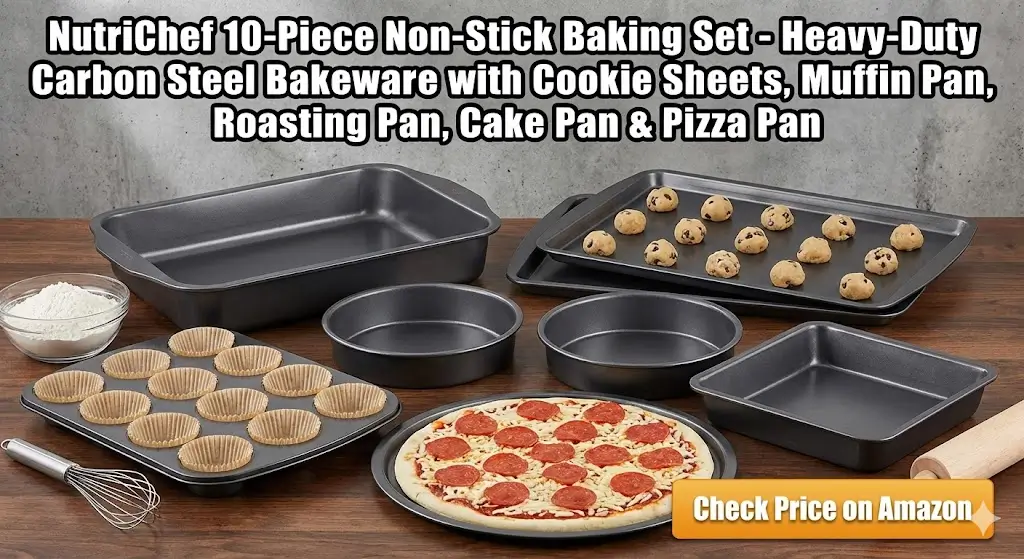
NutriChef 10-Piece Non-Stick Baking Set – Heavy-Duty Carbon Steel Bakeware with Cookie Sheets, Muffin Pan, Roasting Pan, Cake Pan & Pizza Pan
Healthier Alternatives for the Recipe
Reduce Sugar: Cut granulated sugar to ¾ cup. The cookies will be less sweet but still delicious, allowing decorative icing flavors to shine. This modification reduces calories by 15% without significantly impacting texture.
Use Whole Grain Flour: Replace up to half the all-purpose flour with whole wheat pastry flour for added fiber and nutrients. This increases fiber to 1.5g per cookie while maintaining tender texture. Don’t substitute more than 50% or cookies become dense.
Lower Fat Option: Substitute half the butter with Greek yogurt or unsweetened applesauce. This cuts fat by 40% but changes texture to more cake-like. Ideal if you prefer softer, less crisp cookies.
Natural Sweeteners: Replace half the granulated sugar with coconut sugar for a lower glycemic option with trace minerals. The cookies will have a slight caramel flavor and light tan color—perfect for rustic Valentine aesthetic.
Protein Boost: Add 2 tablespoons of unflavored collagen peptides or protein powder to the dough. This increases protein to 4g per cookie without affecting taste or texture—great for active individuals.
Dairy-Free Royal Icing: Use aquafaba (chickpea liquid) instead of meringue powder. Whip 3 tablespoons aquafaba with 2 cups powdered sugar until stiff peaks form. It dries perfectly and tastes identical.
Serving Suggestions
These versatile Valentine cookies shine in countless romantic and festive settings:
Classic Valentine Display: Arrange decorated cookies on a tiered cake stand with fresh roses for an elegant centerpiece. Alternate sizes and designs for visual interest. Present at brunches, afternoon tea parties, or romantic dinners as a stunning finale.
Gift Presentation: Package 6-8 cookies in clear cellophane bags tied with satin ribbons and personalized gift tags. Add a handwritten note for thoughtful, homemade Valentine gifts that convey effort and care. These stay fresh for 5 days, making them perfect early-week gifts.
Dessert Board Feature: Include Valentine cookies on a dessert charcuterie board alongside chocolate-covered strawberries, macarons, truffles, and fresh berries. Add champagne or sparkling cider for adults, pink lemonade for kids.
Cookie Decorating Party: Host a Valentine cookie decorating event. Bake cookies in advance, prepare multiple icing colors, and provide various sprinkles and edible decorations. Perfect for kids’ parties, Galentine gatherings, or couples’ activities.
Dessert Sandwiches: Spread Nutella, cream cheese frosting, or buttercream between two cookies for indulgent sandwich cookies. Add fresh strawberry slices for extra romance and flavor.
Milk and Cookies Pairing: Serve with strawberry milk, hot chocolate, or coffee. The classic combination never fails. For adults, pair with dessert wines like Moscato or chocolate port.
Breakfast Surprise: Arrange cookies on a tray with coffee and fresh flowers for a romantic Valentine’s morning breakfast in bed gesture.
Common Mistakes to Avoid
Using Melted or Too-Soft Butter: Butter temperature dramatically affects cookie texture. Too soft butter creates spreading issues; properly softened butter (65°F) holds shape. Test by pressing—it should indent easily but maintain structure. Never microwave butter to soften; it melts unevenly.
Skipping the Chill Time: This is the #1 reason homemade Valentine cookies fail. Unchilled dough spreads excessively, loses shape definition, and becomes difficult to handle. Always refrigerate for the full 2 hours minimum, no exceptions.
Rolling Dough Too Thin: Cookies thinner than ¼-inch break easily and overbake quickly. Use rolling pin rings or thickness guides to ensure uniformity. Consistent thickness means every cookie bakes identically.
Overworking Dough Scraps: Re-rolling dough multiple times incorporates excess flour and develops gluten, yielding tough cookies. Combine scraps gently and re-roll only once. Better yet, plan your cuts strategically to minimize waste.
Baking on Hot Cookie Sheets: Placing dough on warm pans causes immediate melting and spreading before cookies set in the oven. Always use cool baking sheets or run used ones under cold water and dry thoroughly between batches.
Decorating Warm Cookies: Icing melts and slides off cookies that haven’t cooled completely. Exercise patience—wait at least 30 minutes after baking. Touch the cookie bottom; it should be completely cool to the touch.
Using Liquid Food Coloring: Liquid colors thin royal icing unpredictably and produce pale shades. Gel food colors provide vibrant hues without altering icing consistency. A little gel goes a long way—start with a toothpick amount.
Storing Tips for the Recipe
Undecorated Cookies – Room Temperature: Store completely cooled cookies in airtight containers with parchment between layers for up to 1 week. Keep away from humidity and direct sunlight, which soften cookies.
Undecorated Cookies – Freezing: Flash-freeze on baking sheets for 1 hour, then transfer to freezer bags for up to 3 months. Thaw at room temperature for 30 minutes before decorating. Frozen cookies actually decorate more easily because they’re extra firm.
Decorated Cookies – Room Temperature: Once royal icing has dried completely (overnight), store decorated Valentine cookies in single layers in airtight containers for up to 2 weeks. Don’t stack until icing is rock-hard to prevent smudging. Place parchment between layers if stacking.
Decorated Cookies – Freezing: Yes, you can freeze decorated cookies! Freeze uncovered for 2 hours until icing is solid, then layer between parchment in containers. Store up to 2 months. Thaw in containers at room temperature for 2-3 hours to prevent condensation.
Raw Dough Storage: Refrigerate wrapped dough disks for up to 3 days or freeze for 2 months. Thaw frozen dough overnight in refrigerator before rolling. This make-ahead option allows stress-free Valentine’s Day preparation.
Royal Icing Storage: Store unused royal icing in airtight containers at room temperature for up to 2 weeks or refrigerate for 1 month. Re-whip before using to restore proper consistency. Add water if it’s thickened during storage.
Shipping Valentine Cookies: For mailing, use only completely dried decorated cookies. Wrap individually in plastic wrap, pack tightly in boxes with crumpled parchment to prevent shifting, and ship priority for 2-3 day delivery. Mark “FRAGILE – Handle With Care.”
Conclusion
Perfect Valentine cookies require proper technique: precise ingredient measurements, adequate chilling time, consistent rolling thickness, careful baking, and patient decorating. Master these seven steps and you’ll create beautiful, delicious cut-out cookies that impress every recipient. These heart-shaped treats express love through homemade effort and care.
Ready to spread Valentine joy? Bake these stunning cookies this week and create sweet memories with loved ones. Share your decorated creations in the review section below, leave a comment describing your favorite icing design, and subscribe to our blog for more seasonal recipes, baking tutorials, and creative decorating ideas delivered straight to your inbox!
FAQs
Q: Can I make Valentine cookie dough ahead of time? A: Absolutely! Refrigerate wrapped dough for up to 3 days or freeze for 2 months. For frozen dough, thaw overnight in the refrigerator before rolling. Make-ahead dough actually improves flavor as ingredients meld together.
Q: Why do my cut-out cookies lose their shape? A: Shape loss typically results from insufficient chilling, too-warm butter, or oven temperature issues. Always chill dough for the full 2 hours, chill cut cookies for 10 minutes before baking, and verify oven temperature with a thermometer. Proper chilling is essential.
Q: What’s the best royal icing consistency for decorating? A: Use two consistencies: stiff for outlining (holds peaks) and flood for filling (flows smoothly but holds a line for 10 seconds). Test by drizzling icing—if the line disappears in 10-15 seconds, it’s perfect for flooding.
Q: How long does royal icing take to dry? A: Royal icing dries in stages: surface-dry in 1-2 hours (can add decorations on top), fully dry in 6-8 hours (can touch without marking), completely cured in 12-24 hours (can stack and package). Humidity extends drying time significantly.
Q: Can I use cookie cutters other than hearts? A: Definitely! This versatile dough works with any shaped cutters. Try Cupid arrows, love letters, lips, roses, or “LOVE” letter cutters. Mix shapes for visually interesting assortments. The recipe works for any holiday or occasion.
Q: How do I prevent cookies from spreading? A: Ensure these five things: properly softened (not melted) butter, adequate 2-hour chill time, uniform ¼-inch thickness, 10-minute pre-bake chill for cut shapes, and correct 350°F oven temperature. Following all five guarantees perfect shapes.
Q: Can I add flavor variations? A: Yes! Replace vanilla extract with peppermint, lemon, orange, or coconut extract. Add 1 tablespoon finely grated citrus zest to the dough. Mix in ½ teaspoon cinnamon or cardamom for spiced cookies. Flavor possibilities are endless.
Q: What if I don’t have meringue powder for royal icing? A: Substitute with 2 pasteurized egg whites for this recipe. Beat egg whites with powdered sugar until stiff peaks form. Note that egg white icing doesn’t store as long (3-5 days refrigerated) and may not dry as hard as meringue powder versions.
Your feedback helps other cooks succeed. Rate this recipe!
Finally, Cookies That Hold Their Shape!
“I’ve always struggled with cut-out cookies spreading or losing their definition, but this 7-step guide solved everything. Chilling the dough twice (before rolling and after cutting) was the game-changer. My heart-shaped cookies baked up with sharp, clean edges, just like the pictures. The royal icing recipe included was the perfect consistency for both flooding and detailing. My Valentine’s Day gift boxes have never looked more professional!”
A Stress-Free Path to Beautiful Cookies
“This article took the intimidation out of decorated cut-out cookies. The steps are logical, and the explanation of why each one matters (like using powdered sugar instead of granulated) gave me so much confidence. I loved the suggestion to use different shades of pink icing for a simple yet stunning effect. My partner was so impressed. This is now my forever guide for any occasion requiring beautiful, shaped cookies.”
Fun, Foolproof, and Absolutely Gorgeous
“I made these with my niece for a Valentine’s bake sale, and they were a huge success! The recipe is wonderfully simple for kids to help with, but the techniques ensure beautiful results. The tip about transferring cut-outs to the baking sheet with a flat spatula saved so many hearts from tearing. The cookies were tender, held their shape perfectly, and the decorating process was so much fun. This article is a total gem for bakers of any level.”