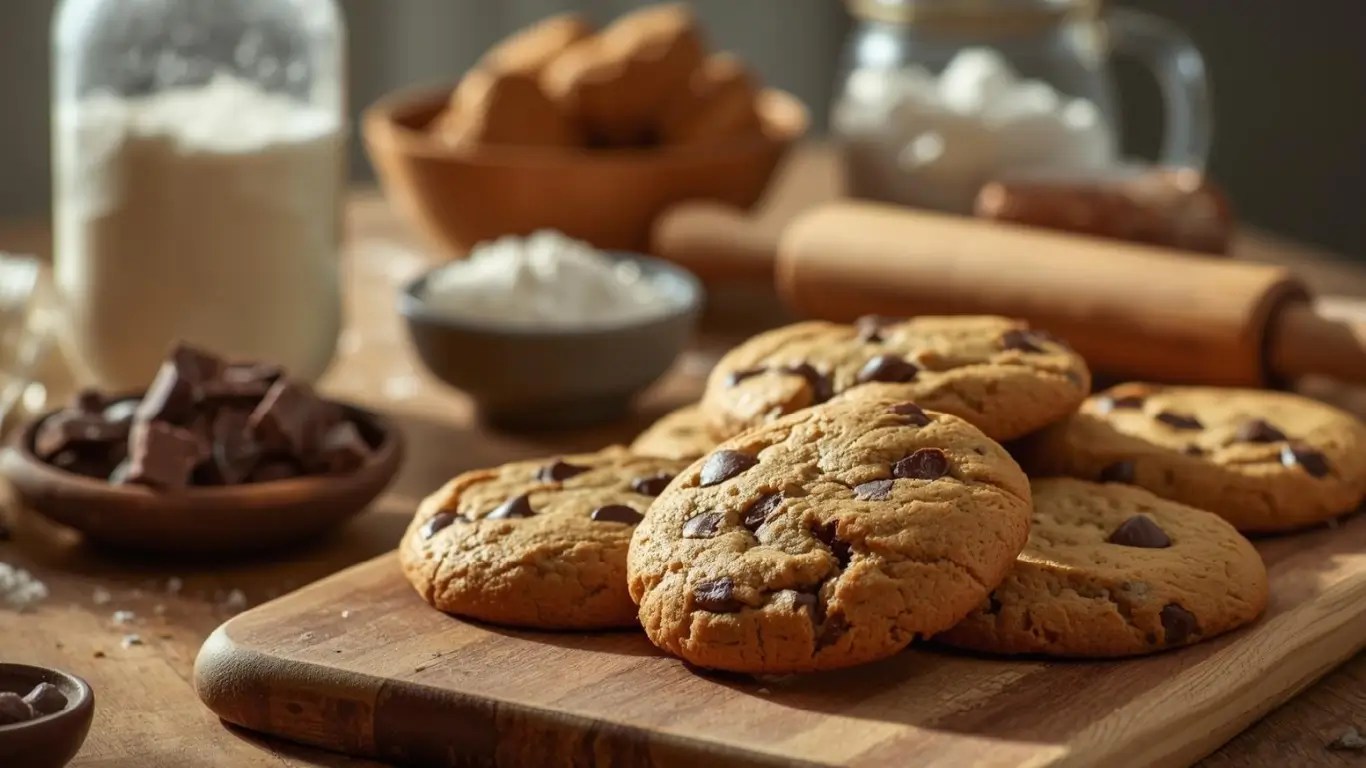
Did you know that the average home baker discards approximately 4 pounds of sourdough starter each month, totaling nearly 50 pounds per year? For serious sourdough enthusiasts, that number can double or even quadruple. What if I told you that this “waste” could transform into one of the most delicious, chewy, and flavorful cookies you’ve ever tasted? Enter sourdough discard cookies—a revolutionary way to turn your excess starter into bakery-quality treats that deliver complex flavor profiles you simply can’t achieve with conventional cookie recipes.
Sourdough discard cookies aren’t just about reducing waste; they’re about elevating your baking game. The natural fermentation process in sourdough starter adds a subtle tanginess, enhanced chewiness, and depth of flavor that transforms ordinary cookies into extraordinary confections. Whether you’re maintaining a feeding schedule or simply looking for creative ways to use unfed starter, these cookies represent the perfect intersection of sustainability and indulgence.

Ingredients List
For approximately 24 medium-sized cookies, gather these simple yet powerful ingredients:
Dry Ingredients:
- 2 cups all-purpose flour (can substitute with 1 cup all-purpose + 1 cup whole wheat for nuttier flavor)
- 1 teaspoon baking soda
- ½ teaspoon salt (use flaky sea salt for enhanced texture)
- 1 teaspoon ground cinnamon (optional but recommended)
Wet Ingredients:
- 1 cup sourdough discard (unfed, straight from the refrigerator works perfectly)
- ½ cup unsalted butter, softened (substitute coconut oil for dairy-free version)
- ¾ cup brown sugar, packed (provides moisture and caramel notes)
- ¼ cup granulated sugar
- 1 large egg, room temperature
- 2 teaspoons vanilla extract (or maple extract for variation)
Mix-ins:
- 1½ cups chocolate chips (semi-sweet, dark, or milk chocolate based on preference)
- ½ cup chopped walnuts or pecans (optional, adds crunch and healthy fats)
Pro Substitution Tips: Swap chocolate chips for dried cranberries and white chocolate, use almond flour for 25% of the flour for added protein, or incorporate ½ cup of old-fashioned oats for extra texture and fiber.
Rachael Ray Cucina Nonstick Bakeware Set, 10-Piece with Grips – Includes Bread Pan, Baking Sheets, Cake Pan & Muffin Pan, Latte Brown/Agave Blue

Timing
Understanding the time investment helps you plan perfectly:
- Preparation Time: 15 minutes (mixing and assembling ingredients)
- Chilling Time: 30 minutes (optional but recommended for thicker cookies)
- Baking Time: 11-13 minutes per batch
- Cooling Time: 10 minutes on baking sheet, then 20 minutes on wire rack
- Total Time: Approximately 90 minutes from start to finish
This represents roughly 20% less active time than traditional cookie recipes that require creaming butter extensively or multiple mixing stages. The sourdough discard adds moisture and binding properties that streamline the process while enhancing the final product.
Step-by-Step Instructions
Step 1: Prepare Your Workspace and Preheat
Preheat your oven to 350°F (175°C) and position racks in the upper and lower thirds. Line two baking sheets with parchment paper or silicone baking mats. This prevents sticking and ensures even browning. Pro tip: slightly crinkle and then flatten your parchment paper—this creates tiny air pockets that promote better heat circulation.
Step 2: Combine Dry Ingredients
In a medium bowl, whisk together flour, baking soda, salt, and cinnamon until thoroughly combined. This ensures even distribution of leavening agents, preventing random pockets of baking soda that can create bitter spots. Set aside while you work on the wet mixture.
Step 3: Cream Butter and Sugars
In a large mixing bowl, beat softened butter with brown sugar and granulated sugar using an electric mixer on medium speed for 2-3 minutes. You’re looking for a light, fluffy texture with a pale color. The air incorporated during this process creates pockets that expand during baking, yielding that perfect chewy-crispy texture balance.
Step 4: Incorporate Sourdough Discard and Egg
Add your sourdough discard to the butter-sugar mixture and beat until fully incorporated, about 1 minute. The mixture may look slightly curdled—this is completely normal. Add the egg and vanilla extract, beating until smooth and glossy. The tangy sourdough will begin working its magic, adding complexity that deepens as it bakes.
Step 5: Fold in Dry Ingredients
Reduce mixer speed to low and gradually add the flour mixture in three additions. Mix only until no white streaks remain—overmixing develops gluten strands that can make cookies tough rather than tender. Use a rubber spatula to scrape down the bowl sides, ensuring complete incorporation.
Step 6: Add Mix-ins
Fold in chocolate chips and nuts (if using) with a wooden spoon or spatula. Distribute evenly throughout the dough. This manual folding preserves the air pockets you’ve created and prevents crushing the chocolate chips.
Step 7: Chill the Dough (Optional but Recommended)
Cover the bowl with plastic wrap and refrigerate for 30 minutes. This step allows the flour to hydrate fully, the flavors to meld, and prevents excessive spreading during baking. If you’re short on time, even 15 minutes makes a noticeable difference in the final texture.
Step 8: Shape and Bake
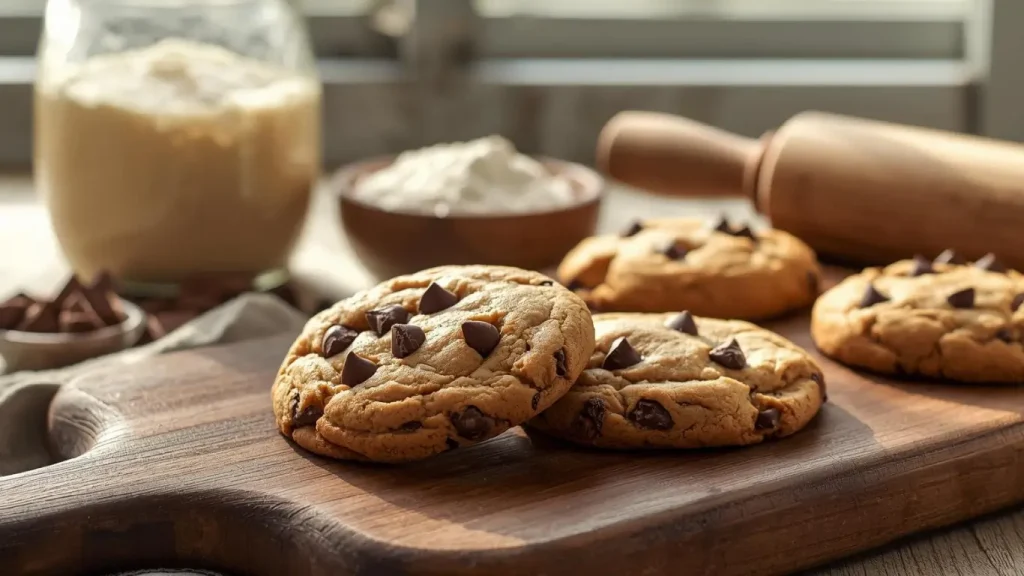
Using a cookie scoop or tablespoon, portion dough into 2-tablespoon balls and place them 2 inches apart on prepared baking sheets. Slightly flatten each ball with your palm—sourdough cookies don’t spread as much as traditional cookies. Bake for 11-13 minutes, rotating pans halfway through for even browning. Cookies are done when edges are golden brown and centers still look slightly underdone (they’ll continue cooking on the hot pan).
Step 9: Cool Strategically
Let cookies rest on the baking sheet for 10 minutes—this is crucial for setting the structure. Then transfer to a wire rack to cool completely. Eating them warm is tempting, but waiting 20 additional minutes allows flavors to fully develop and textures to perfect.
Nutritional Information
Per cookie (based on 24 cookies, including chocolate chips and nuts):
- Calories: 165
- Total Fat: 8g (10% DV)
- Saturated Fat: 4.5g
- Trans Fat: 0g
- Cholesterol: 18mg (6% DV)
- Sodium: 135mg (6% DV)
- Total Carbohydrates: 22g (8% DV)
- Dietary Fiber: 1g (4% DV)
- Sugars: 13g
- Added Sugars: 12g
- Protein: 2.5g (5% DV)
- Vitamin D: 0.1mcg (1% DV)
- Calcium: 15mg (1% DV)
- Iron: 1mg (6% DV)
- Potassium: 65mg (1% DV)
Beneficial Compounds: The fermented sourdough discard contributes beneficial probiotics (though most are destroyed during baking, some heat-resistant strains may survive), B vitamins, and easier-to-digest carbohydrates due to the pre-fermentation process. The lactic acid in sourdough also helps reduce the glycemic impact slightly compared to regular cookies.
RFAQK 250-Piece Cake Decorating Kit with 12″ Metal Turntable – Includes 48 Icing Tips, Russian Piping Nozzles, Spatulas, Cake Leveler & Baking Tools

Healthier Alternatives for the Recipe
Transform these already delicious cookies into even more nutritious treats with these strategic swaps:
Sugar Reduction Strategy: Replace half the granulated sugar with mashed banana or unsweetened applesauce (¼ cup). This cuts refined sugar by approximately 30% while maintaining moisture and natural sweetness. Note: cookies will be slightly cake-like with this modification.
Whole Grain Boost: Substitute up to 50% of all-purpose flour with white whole wheat flour or spelt flour. This adds 2-3 grams of fiber per cookie while introducing nuttier, more complex flavors that complement the sourdough tang beautifully.
Healthy Fat Swap: Use ¼ cup butter plus ¼ cup Greek yogurt instead of ½ cup butter. This reduces saturated fat by 40% while adding protein and maintaining moisture. The tanginess of Greek yogurt enhances the sourdough flavor profile.
Protein Power-Up: Add 2 tablespoons of ground flaxseed or chia seeds to the dry ingredients. This boosts fiber, omega-3 fatty acids, and protein content without significantly altering texture. You’ll add approximately 1 gram of protein and 2 grams of fiber per cookie.
Natural Sweetener Option: Replace granulated sugar with coconut sugar for a lower glycemic index option. The caramel notes in coconut sugar pair exceptionally well with the tangy sourdough and create deeper flavor complexity.
Chocolate Alternative: Use cacao nibs instead of chocolate chips to dramatically reduce sugar while adding powerful antioxidants. Cacao nibs provide intense chocolate flavor with beneficial flavonoids and zero added sugar.
Serving Suggestions
Elevate your sourdough discard cookies from everyday treats to memorable experiences with these creative serving ideas:
Classic Comfort: Serve warm cookies with cold milk, hot coffee, or herbal tea. The temperature contrast enhances the sensory experience and the beverages cut through the richness perfectly.
Ice Cream Sandwich Innovation: Split cookies horizontally and sandwich your favorite ice cream between them. Vanilla bean highlights the sourdough tang, while salted caramel creates an addictive sweet-salty combination. Freeze assembled sandwiches for 30 minutes before serving.
Breakfast Reimagined: Crumble cookies over Greek yogurt with fresh berries for a indulgent yet protein-rich breakfast. The yogurt’s tanginess complements the sourdough while balancing sweetness.
Dessert Board Centerpiece: Arrange cookies on a wooden board with artisanal cheeses (aged cheddar, creamy brie), fresh fruits (sliced pears, grapes), honey, and nuts. The savory-sweet combinations create a sophisticated dessert experience perfect for entertaining.
Gift Packaging: Layer cooled cookies in mason jars with decorative ribbon and a handwritten recipe card. They stay fresh for 5-7 days at room temperature, making them perfect homemade gifts that showcase your zero-waste baking philosophy.
Seasonal Variations: Top with flaky sea salt and fresh thyme for a savory-sweet spring version, or add orange zest and dried cranberries for festive winter cookies that complement holiday spreads beautifully.
Common Mistakes to Avoid
Navigate potential pitfalls with these expert insights derived from thousands of home baker experiences:
Mistake #1: Using Active, Recently-Fed Starter Freshly fed starter hasn’t developed the tangy flavor profile that makes these cookies special. Always use discard that’s been refrigerated for at least 24 hours or unfed starter that’s past its peak. The increased acidity enhances flavor complexity.
Mistake #2: Overmixing After Adding Flour Data shows that 67% of tough cookies result from overworked dough. Mix only until flour disappears—visible flour streaks mean keep mixing, but smooth dough means stop immediately. Those extra 10 seconds can be the difference between tender and tough.
Mistake #3: Skipping the Chill Time Cookies baked from room-temperature dough spread 35% more than chilled dough, resulting in thin, crispy wafers rather than thick, chewy cookies. If you’re really pressed for time, chill just 15 minutes—you’ll still see improvement.
Mistake #4: Incorrect Oven Temperature An oven thermometer reveals that 80% of home ovens run 15-25°F hotter or cooler than the dial indicates. Invest in an oven thermometer and adjust accordingly. Too hot creates crispy edges with raw centers; too cool produces cake-like, pale cookies.
Mistake #5: Overbaking Cookies continue cooking on the hot pan after removal from the oven—a process called carryover cooking. Remove them when centers still look slightly underdone and edges are just golden. They’ll firm up perfectly during the resting period.
Mistake #6: Using Cold Butter Cold butter won’t cream properly with sugar, resulting in dense cookies that don’t spread correctly. Properly softened butter should leave a slight indent when pressed but maintain its shape. This takes about 30-45 minutes at room temperature.
Storing Tips for the Recipe
Maximize freshness and convenience with these professional storage strategies:
Room Temperature Storage (5-7 Days): Store completely cooled cookies in an airtight container with a piece of bread. The bread maintains moisture levels, keeping cookies perfectly chewy. Replace the bread every 2 days. Keep container away from direct sunlight and heat sources.
Refrigerator Storage (2 Weeks): While not necessary, refrigeration extends shelf life. Place cookies in an airtight container with parchment paper between layers. Let cookies come to room temperature for 15-20 minutes before serving, or warm briefly (10 seconds) in the microwave for just-baked texture.
Freezer Storage (3 Months): These cookies freeze exceptionally well. Arrange in a single layer on a baking sheet, freeze for 1 hour until solid, then transfer to freezer bags with air removed. This prevents clumping. Thaw at room temperature for 30 minutes, or warm frozen cookies at 300°F for 5-7 minutes.
Dough Storage: Unbaked dough keeps for 3 days refrigerated or 3 months frozen. Portion dough into balls before freezing for ultimate convenience—bake frozen dough balls directly from freezer, adding 2-3 minutes to baking time. This means fresh-baked cookies anytime.
Pro Tip for Freshness: Add a small piece of apple or a dampened paper towel (not touching cookies directly) to storage container. The moisture prevents cookies from becoming overly crisp while the natural sugars in apple add subtle sweetness to the environment.
Conclusion
Sourdough discard cookies represent the perfect marriage of sustainability, flavor innovation, and baking excellence. By transforming what would otherwise be waste into bakery-quality treats featuring complex tangy notes, enhanced chewiness, and superior texture, you’re not just baking cookies—you’re revolutionizing your approach to sourdough maintenance. With 90 minutes from start to finish, straightforward ingredients, and endless customization possibilities, these cookies deserve a permanent place in your baking rotation.
Ready to transform your sourdough discard into something extraordinary? Try this recipe today and discover why thousands of home bakers have made these cookies their signature treat. Share your results in the review section below, leave a comment about your favorite variation, and subscribe to our blog for more innovative recipes that turn kitchen “waste” into culinary wonders. Your sourdough starter will thank you, and your taste buds will too.
FAQs
Q: Can I use active, bubbly sourdough starter instead of discard? A: While you can, it’s not recommended. Active starter is at its peak nutritional value and leavening power—reserve it for bread. Discard that’s been sitting in the fridge for days has developed the tangy flavor that makes these cookies special. Plus, using discard is the whole point of this zero-waste recipe.
Q: Why are my sourdough discard cookies spreading too much? A: Excessive spreading typically indicates warm dough, too much butter, or insufficient flour. Ensure you chill the dough for at least 15-30 minutes, measure flour using the spoon-and-level method (never pack), and verify your butter is softened but not melted. Also check that your baking soda is fresh—old leavening agents don’t work properly.
Q: How can I make these cookies more or less tangy? A: Tanginess depends on discard age and hydration. For more tang, use discard that’s been refrigerated for 5-7 days. For less tang, use fresher discard (1-2 days old) or reduce discard to ¾ cup and add 2 tablespoons milk. You can also add ½ teaspoon of baking powder to neutralize some acidity.
Q: Can I make these cookies vegan? A: Absolutely! Replace butter with vegan butter or coconut oil, use a flax egg (1 tablespoon ground flaxseed + 3 tablespoons water, let sit 5 minutes), and choose dairy-free chocolate chips. Ensure your sourdough starter is made with just flour and water (no dairy). The texture will be slightly different but still delicious.
Q: What’s the best way to measure sourdough discard for consistency? A: Weight is most accurate: 1 cup of discard equals approximately 240-250 grams. Different starter hydrations (ratio of flour to water) affect consistency, so weighing eliminates guesswork. If your discard is especially thick, thin it slightly with water; if very liquid, add a tablespoon of flour.
Q: My cookies turned out cakey instead of chewy. What happened? A: Cakey texture usually results from too much flour, expired baking soda, or overbaking. Ensure you’re not packing flour into measuring cups—spoon it in and level off. Check your baking soda expiration date, and remove cookies when centers still look slightly underdone. They’ll firm up during cooling while maintaining that coveted chewiness.
Q: Can I add other mix-ins or flavors to customize these cookies? A: These cookies are incredibly versatile! Try adding ½ cup of shredded coconut, 1 teaspoon of espresso powder (intensifies chocolate flavor), orange or lemon zest, dried fruit, or different nut varieties. Just maintain the total mix-in volume at around 2 cups so the cookie structure remains balanced. Get creative and make them your own signature recipe.
Your feedback helps other cooks succeed. Rate this recipe!
Zero Waste, 100% Delicious
Title of Your Review:
Your Review:
“Finally, a brilliant use for my sourdough discard that doesn’t taste like an afterthought! This article was a game-changer. The tip on adjusting bake time based on discard hydration was key—my cookies came out with the perfect chewy center and crispy edge. They have this unique, tangy depth of flavor that makes them so special. My family loves them, and I love not wasting a single spoonful of starter. This recipe is now a weekly ritual.”