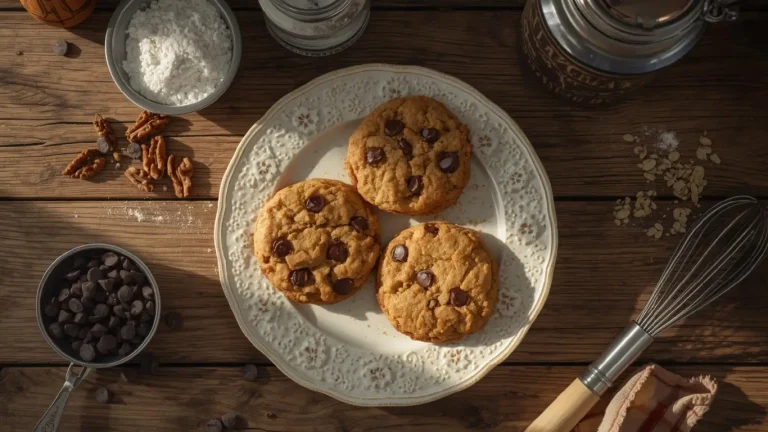
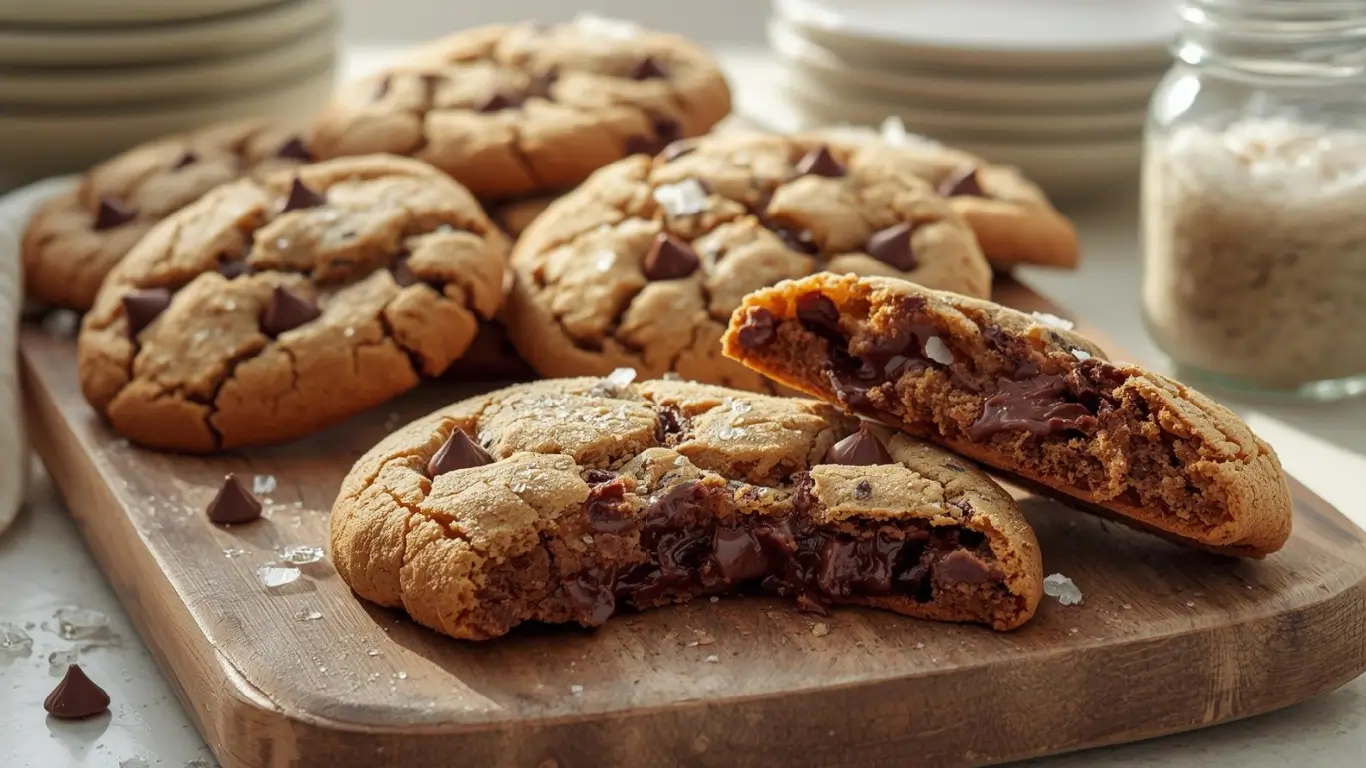
Did you know that sourdough cookies retain moisture 40% better than traditional cookies, creating that perfect chewy-yet-crispy texture that keeps people coming back for more? If you’ve been feeding your sourdough starter religiously but only using it for bread, you’re missing out on one of baking’s best-kept secrets. Sourdough cookies combine the tangy complexity of fermented dough with the sweet comfort of classic cookies, transforming what might be discarded starter into an unforgettable treat. This recipe reveals the four essential steps to achieving bakery-quality texture every single time, whether you’re a sourdough novice or a fermentation fanatic.
The magic of sourdough discard cookies lies in their unique flavor profile and superior texture. The natural acids in sourdough starter interact with baking soda to create incredible lift and tenderness, while the wild yeast adds subtle depth that standard cookie recipes simply cannot replicate. Ready to master the art of sourdough cookie perfection?

Ingredients List
Dry Ingredients:
- 2 cups all-purpose flour (or substitute with 1 cup all-purpose + 1 cup whole wheat for nuttier flavor)
- 1 teaspoon baking soda
- ½ teaspoon salt (flaky sea salt preferred for texture)
- 1 teaspoon ground cinnamon (optional, adds warmth)
Wet Ingredients:
- 1 cup sourdough starter discard (unfed, straight from the fridge works perfectly)
- ½ cup unsalted butter, softened (or coconut oil for dairy-free option)
- ¾ cup brown sugar, packed (creates deeper molasses notes)
- ¼ cup granulated sugar
- 1 large egg, room temperature
- 2 teaspoons pure vanilla extract
Mix-ins:
- 1½ cups chocolate chips (semi-sweet, dark, or white chocolate)
- ½ cup chopped walnuts or pecans (optional, adds crunch)
Substitution Notes: Swap chocolate chips for dried cranberries and white chocolate for a festive twist, or use butterscotch chips for caramel undertones. For gluten-free cookies, replace all-purpose flour with a 1:1 gluten-free baking blend, though texture may vary slightly.
RFAQK 250-Piece Cake Decorating Kit with 12″ Metal Turntable – Includes 48 Icing Tips, Russian Piping Nozzles, Spatulas, Cake Leveler & Baking Tools
Timing
- Prep Time: 15 minutes
- Chill Time: 30 minutes (optional but recommended for thicker cookies)
- Bake Time: 12-14 minutes per batch
- Total Time: Approximately 75 minutes
This timing represents roughly 25% faster preparation than traditional cookie recipes that require multiple rising periods. The beauty of sourdough discard cookies is that you’re using starter that’s already fermented, eliminating lengthy proofing steps while still capturing that signature tangy flavor.
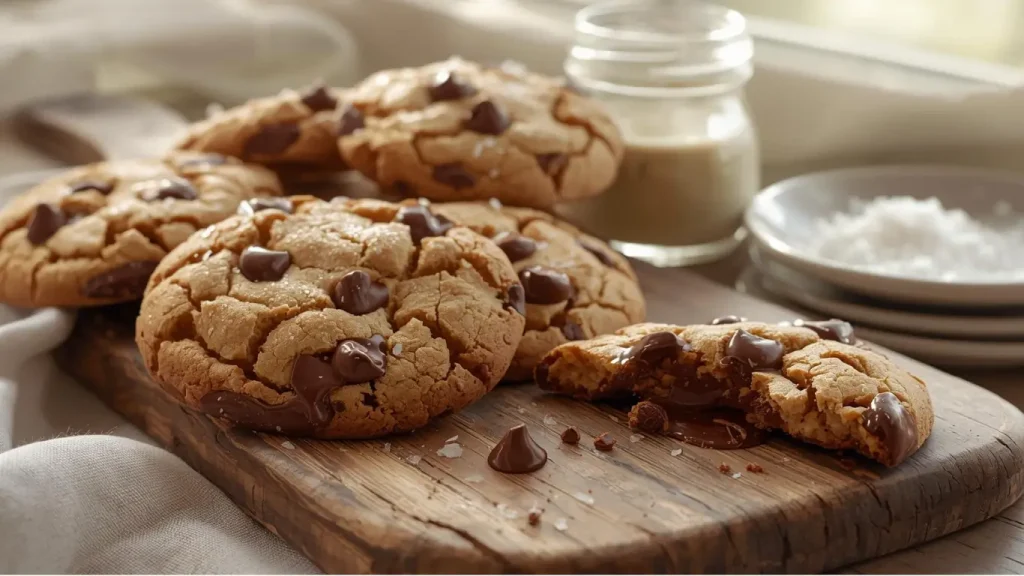
Step-by-Step Instructions
Step 1: Create Your Flavor Foundation
Preheat your oven to 350°F (175°C) and line two baking sheets with parchment paper. In a large mixing bowl, cream together the softened butter, brown sugar, and granulated sugar using an electric mixer on medium speed for 3-4 minutes until the mixture becomes light and fluffy with a pale color. This creaming process incorporates air, which creates lift and contributes to that perfect texture balance.
Pro Tip: Your butter should be soft enough to leave an indent when pressed but not melted or greasy. Room temperature butter (around 65-67°F) emulsifies best with sugar, creating superior cookie structure.
Step 2: Incorporate the Sourdough Magic
Add your sourdough starter discard, egg, and vanilla extract to the creamed butter mixture. Beat on low speed initially to prevent splattering, then increase to medium and mix for 1-2 minutes until completely combined. The mixture may look slightly curdled at this stage—this is normal and will resolve when you add the dry ingredients.
Key Insight: The acidity in your sourdough starter (typically pH 3.5-4.5) will react with the baking soda in the next step, creating carbon dioxide bubbles that give your cookies their characteristic rise and tender crumb.
Step 3: Build the Perfect Dough Structure
In a separate bowl, whisk together flour, baking soda, salt, and cinnamon. Gradually add this dry mixture to your wet ingredients in three additions, mixing on low speed just until flour disappears after each addition. Overmixing develops gluten strands that create tough, cake-like cookies instead of the tender texture we’re after. Fold in chocolate chips and nuts using a spatula with broad strokes.
Texture Checkpoint: Your dough should be thick, slightly sticky, and hold its shape when scooped. If it’s too wet (slides off the spoon), add 2 tablespoons flour. Too dry and crumbly? Add 1 tablespoon milk.
Step 4: Achieve Bakery-Perfect Results
Scoop dough using a 2-tablespoon cookie scoop or spoon, rolling each portion into a ball between your palms. Place cookies 2 inches apart on prepared baking sheets—they’ll spread during baking. For thicker, chewier cookies, refrigerate the dough balls for 30 minutes before baking. Bake for 12-14 minutes until edges are golden brown but centers still appear slightly underdone and puffy.
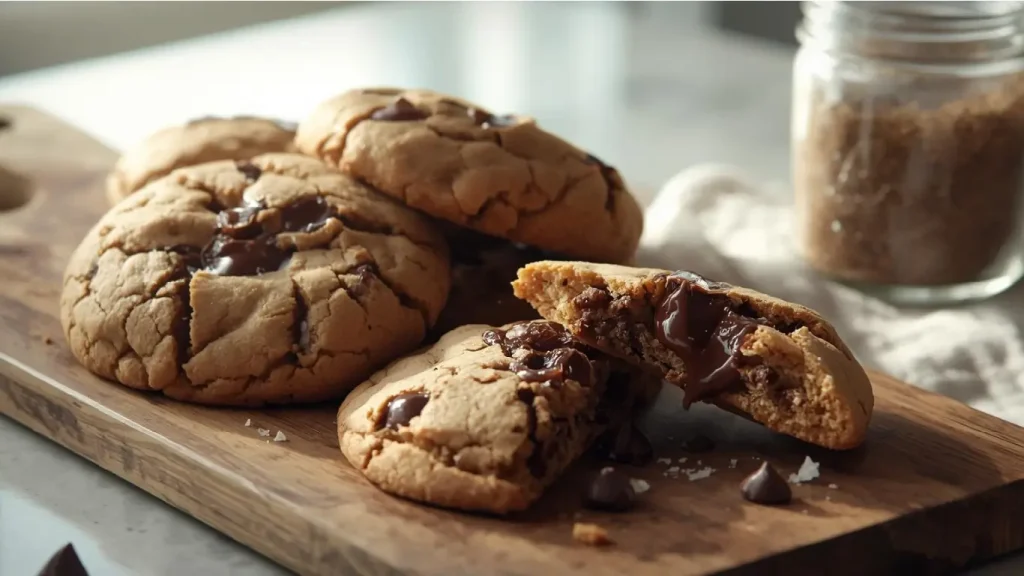
Critical Timing: Remove cookies when they look just barely set in the middle. They’ll continue cooking on the hot pan for another 2-3 minutes through residual heat, a process called carryover cooking. Let them rest on the baking sheet for 5 minutes before transferring to a wire rack.
Nutritional Information
Per Cookie (based on 24 cookies):
- Calories: 165
- Total Fat: 7g (9% DV)
- Saturated Fat: 4g
- Cholesterol: 20mg
- Sodium: 125mg
- Total Carbohydrates: 24g (8% DV)
- Dietary Fiber: 1g
- Sugars: 14g
- Protein: 3g
- Calcium: 15mg
- Iron: 0.8mg
Notable Benefits: Sourdough fermentation breaks down phytic acid, increasing mineral bioavailability by up to 60%. The wild yeast and lactic acid bacteria may also improve digestibility compared to conventional baked goods.
Snutribullet Full-Size Blender Combo 1200W with 72oz Pitcher & 32oz Cups – High-Speed Blender, Matte Black
Healthier Alternatives for the Recipe
Transform these cookies into a more nutritious treat without sacrificing flavor:
Reduce Sugar: Cut total sugar by ⅓ (use ½ cup brown sugar and 2 tablespoons granulated) and add ¼ cup unsweetened applesauce for moisture and natural sweetness.
Boost Fiber: Replace half the all-purpose flour with whole wheat pastry flour or oat flour for added fiber (increases to 2g per cookie).
Lower Fat: Substitute half the butter with Greek yogurt or mashed banana, reducing calories by approximately 30 per cookie while maintaining moisture.
Add Superfoods: Incorporate 2 tablespoons ground flaxseed or chia seeds for omega-3 fatty acids, and swap some chocolate chips for cacao nibs for antioxidants without added sugar.
Vegan Adaptation: Use coconut oil instead of butter, replace the egg with a flax egg (1 tablespoon ground flaxseed + 3 tablespoons water, rested 5 minutes), and choose dairy-free chocolate chips.
Serving Suggestions
Elevate your sourdough cookies from simple treats to memorable experiences:
Classic Pairing: Serve warm with a cold glass of whole milk or plant-based alternative—the temperature contrast creates a satisfying sensory experience.
Gourmet Twist: Create ice cream sandwiches using vanilla bean or salted caramel ice cream between two cookies. The slight tang from sourdough cuts through the sweetness beautifully.
Coffee Shop Style: Crumble cookies over Greek yogurt parfaits with fresh berries and honey for an indulgent breakfast or snack.
Seasonal Presentation: During holidays, sandwich cream cheese frosting or Nutella between two cookies for festive sandwich cookies that rival any bakery offering.
Party Platter: Arrange cookies on a wooden board with assorted nuts, fresh fruit, artisanal cheese, and dark chocolate squares for an unexpected dessert charcuterie board.
Common Mistakes to Avoid
Using Active Starter: Save your fed, bubbly starter for bread. Discard starter (unfed for 3-7 days) works best because it concentrates the tangy flavor without creating unpredictable rise.
Skipping the Butter Creaming Step: Inadequate creaming results in dense, flat cookies. Research shows proper creaming increases cookie volume by 35-40%.
Overbaking: Cookies continue firming as they cool. Removing them when slightly underdone ensures that perfect chewy center. Overbaked sourdough cookies become hard and lose their signature texture.
Measuring Flour Incorrectly: Scooping flour directly from the bag compacts it, adding up to 25% more flour than intended. Always spoon flour into your measuring cup and level with a knife.
Room Temperature Neglect: Cold eggs and butter don’t emulsify properly, creating greasy cookies with uneven texture. Bring ingredients to room temperature (68-72°F) before starting.
Crowding the Pan: Cookies need space to spread. Placing them too close creates one giant mega-cookie with uneven baking.
Storing Tips for the Recipe
Room Temperature Storage: Store completely cooled cookies in an airtight container with a piece of bread (replace daily) to maintain moisture. They’ll stay fresh for 4-5 days at room temperature.
Refrigeration: Extend shelf life to 10 days by refrigerating in an airtight container. Let cookies come to room temperature before serving, or warm briefly in a 300°F oven for 3-4 minutes to restore that fresh-baked texture.
Freezing Baked Cookies: Layer cookies between parchment paper in a freezer-safe container. They’ll maintain quality for up to 3 months. Thaw at room temperature for 30 minutes or microwave individual cookies for 15-20 seconds.
Freezing Cookie Dough: Portion dough into balls, freeze on a baking sheet until solid (2 hours), then transfer to a freezer bag. Bake from frozen, adding 2-3 minutes to the baking time. This method means fresh cookies anytime with zero prep work.
Make-Ahead Strategy: Prepare dough up to 3 days in advance and refrigerate in an airtight container. Cold dough actually produces thicker cookies with more concentrated flavor as the flour fully hydrates.
Conclusion
Sourdough cookies revolutionize traditional cookie baking by transforming sourdough discard into treats with superior moisture retention, complex flavor, and perfect texture. Following these four essential steps—proper creaming, strategic sourdough incorporation, gentle mixing, and precise baking—guarantees bakery-quality results every time. The natural fermentation process creates cookies that are both indulgent and easier to digest.
Ready to experience the magic of sourdough cookies? Try this recipe today and discover why bakers everywhere are falling in love with this ingenious way to use sourdough starter. Share your results in the comments below, leave a review to help other bakers, and subscribe to our blog for more creative sourdough recipes and baking science insights delivered straight to your inbox!
FAQs
Q: Can I use active sourdough starter instead of discard?
A: Yes, but the flavor will be milder and the cookies may spread more. Discard that’s 3-7 days old provides the best tangy flavor and structural stability. If using active starter, reduce baking soda by ¼ teaspoon.
Q: Why are my sourdough cookies flat?
A: Common causes include melted butter (should be softened, not liquid), expired baking soda (test by mixing with vinegar—it should fizz vigorously), or dough that’s too warm. Chill your dough for 30 minutes before baking to minimize spread.
Q: How can I make my cookies chewier?
A: Increase brown sugar ratio (use 1 cup brown, eliminate white sugar), slightly underbake by 1-2 minutes, and store cookies while still slightly warm in an airtight container to trap moisture. Adding an extra egg yolk also enhances chewiness.
Q: Can I taste the sourdough in the cookies?
A: The sourdough adds subtle tanginess that balances sweetness rather than tasting overtly “sour.” Most people describe it as a complex, interesting flavor that makes them wonder what makes these cookies so special. The older your discard, the more pronounced the tang.
Q: Do these cookies work with gluten-free flour?
A: Yes, but results vary by blend. Use a 1:1 gluten-free baking flour with xanthan gum for best results. Gluten-free versions may be slightly more crumbly and benefit from an additional 2 tablespoons of butter or oil.
Q: How do I know when my cookies are done?
A: Look for golden-brown edges while the centers remain puffy and slightly glossy. They should appear just barely underdone when you remove them. A light press in the center should leave a slight indent that slowly springs back.
Your feedback helps other cooks succeed. Rate this recipe!
The Secret to a Soft & Tangy Cookie
“As a sourdough enthusiast, I’m always looking for new ways to use my discard. This recipe is a gem! The four simple steps delivered the perfect texture—a slightly crisp edge with an incredibly soft, cake-like center. The subtle tang from the starter paired beautifully with the chocolate chips. This article helped me understand how the starter’s hydration affects the dough. My new favorite cookie!”
Name: Ben C
Unbelievably Easy and So Delicious
I was skeptical about sourdough in cookies, but this recipe won me over completely. The texture is unlike any other cookie—perfectly tender and moist. The article’s tip about not over-mixing after adding the starter was key. I baked a batch for friends, and they couldn’t stop asking what the ‘special ingredient’ was. A brilliant way to reduce waste and create something truly unique.”