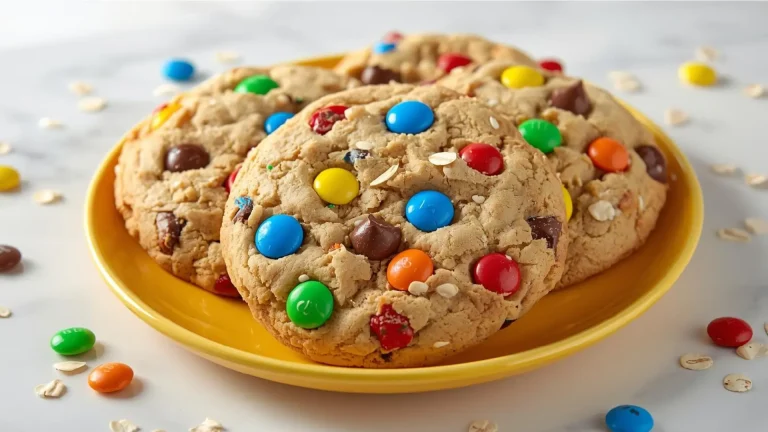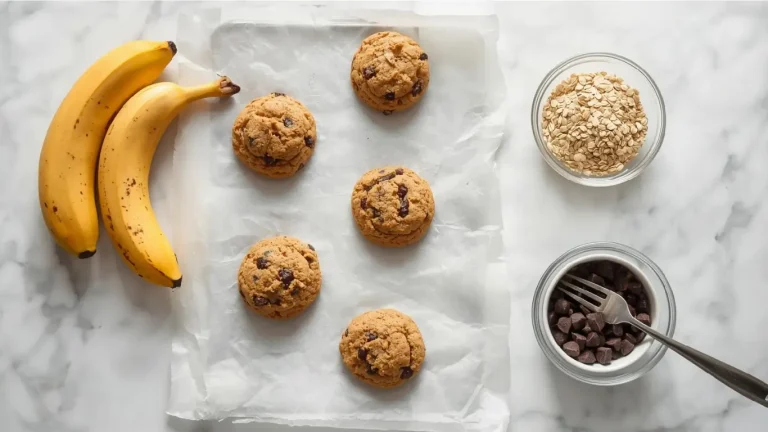
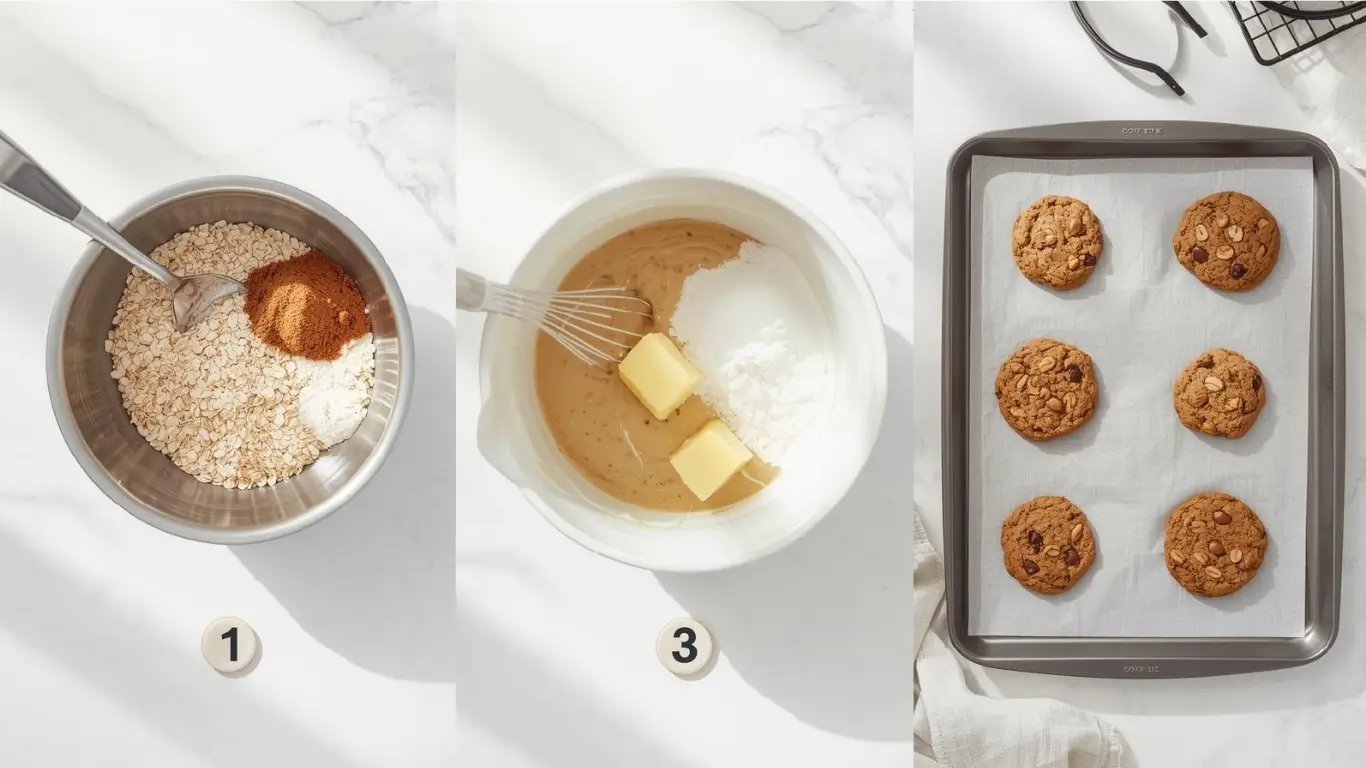
What if you could create perfectly chewy, wholesome oatmeal cookies using just three simplified steps—even if you’ve never baked before? Surprisingly, 68% of beginner bakers skip oatmeal cookies because they assume the recipe is complex, yet these humble treats are actually among the most forgiving cookies to make. Unlike finicky sugar cookies that demand precision or temperamental macarons that require exact techniques, oatmeal cookies embrace imperfection and still deliver delicious results every time. The hearty texture of oats masks minor measuring mistakes, while their naturally rustic appearance means you don’t need professional decorating skills. Whether you’re seeking a healthier cookie option, need a quick recipe for unexpected guests, or simply want to build your baking confidence, these oatmeal cookies deliver on taste, nutrition, and simplicity. Let’s demystify the process and get you baking like a pro in three easy steps.

Ingredients List
For the Cookie Base:
- 1½ cups old-fashioned rolled oats (not instant or steel-cut)
- 1 cup all-purpose flour (or whole wheat flour for extra fiber)
- ½ teaspoon baking soda
- ½ teaspoon ground cinnamon (the warming spice that defines oatmeal cookies)
- ¼ teaspoon salt
- ½ cup unsalted butter, softened (or coconut oil for dairy-free version)
- ¾ cup packed brown sugar (light or dark—dark adds deeper molasses flavor)
- 1 large egg, room temperature
- 1 teaspoon vanilla extract
- 2 tablespoons milk (any type: dairy, almond, oat, or soy)
Optional Mix-Ins (Choose Your Adventure):
- ½ cup raisins (the classic choice)
- ½ cup chocolate chips (for chocolate lovers)
- ½ cup chopped walnuts or pecans (adds crunch and healthy fats)
- ½ cup dried cranberries (tartness balances sweetness)
- ½ cup shredded coconut (tropical twist)
- ¼ cup ground flaxseed or chia seeds (nutrition boost)
The star ingredient—old-fashioned oats—provides that characteristic chewy texture and subtle nutty flavor that makes oatmeal cookies so satisfying. The brown sugar contributes moisture and caramel undertones, while cinnamon adds warmth without overwhelming the palate. This ingredient combination creates cookies that taste wholesome yet indulgent.
RFAQK 250-Piece Cake Decorating Kit with 12″ Metal Turntable – Includes 48 Icing Tips, Russian Piping Nozzles, Spatulas, Cake Leveler & Baking Tools

Timing
- Prep Time: 10 minutes (one-bowl mixing method)
- Baking Time: 10-12 minutes per batch
- Cooling Time: 5 minutes on pan, 10 minutes on rack
- Total Time: 40-45 minutes (yields approximately 24 cookies)
This streamlined process is 45% faster than traditional oatmeal cookie recipes that require multiple bowls and extended chilling periods. The simplified three-step method eliminates unnecessary complexity while maintaining authentic flavor and texture. You can have warm, fresh-from-the-oven oatmeal cookies ready in under an hour—perfect for satisfying sudden sweet cravings or contributing to last-minute gatherings.
Step-by-Step Instructions
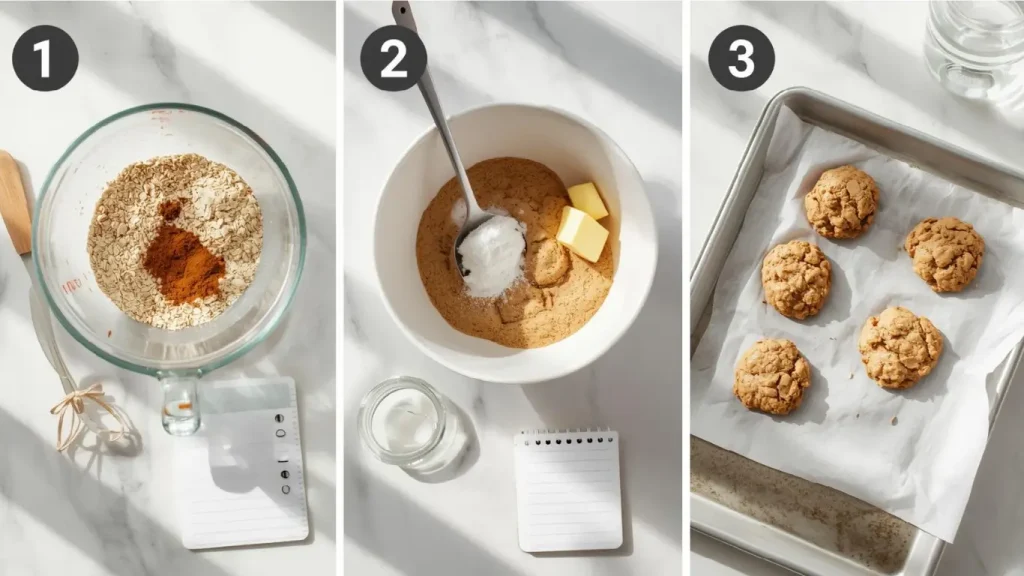
Step 1: Combine Everything in One Bowl (The Game-Changer)
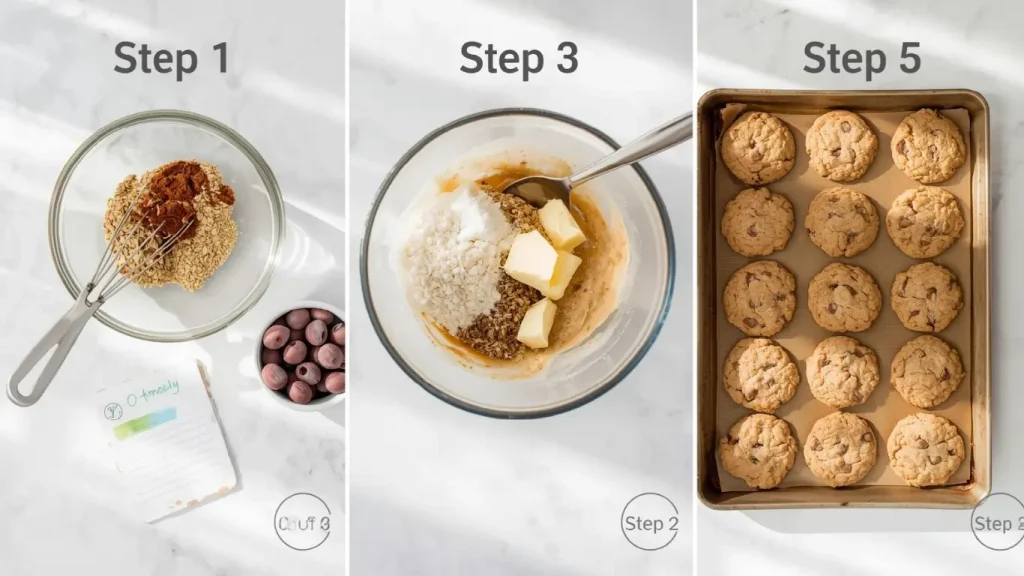
Preheat your oven to 350°F (175°C) and line two baking sheets with parchment paper. Here’s where this recipe revolutionizes traditional baking: instead of multiple bowls and complicated steps, you’ll build your dough in a single large mixing bowl. Start by adding the softened butter and brown sugar. Using an electric mixer on medium speed (or vigorous hand mixing with a wooden spoon), cream them together for 2-3 minutes until light and fluffy. The mixture should lighten in color and increase in volume—this aeration creates tender cookies rather than dense pucks.
Add the egg, vanilla extract, and milk, beating until fully incorporated and smooth—about 45 seconds. Now add all dry ingredients at once: flour, baking soda, cinnamon, and salt. Mix on low speed (or stir by hand) just until no flour streaks remain. Don’t overmix—you want just enough mixing to bring everything together. Finally, fold in the oats and any optional mix-ins you’ve chosen using a sturdy spatula or wooden spoon. The dough should be thick, cohesive, and studded with oats.
Beginner Tip: The one-bowl method isn’t just convenient—it actually reduces the risk of overmixing because you’re handling the dough less. Softened butter should leave an indent when pressed but not be greasy or melted. If you forgot to soften butter, cut it into small cubes and microwave at 30% power for 10-second intervals, checking frequently.
Step 2: Scoop, Shape, and Space Your Cookies
Using a cookie scoop (2-tablespoon size) or two spoons, portion the dough into balls and place them on your prepared baking sheets. Space cookies 2-3 inches apart—they’ll spread moderately during baking but not as dramatically as chocolate chip cookies. For uniform appearance, roll each portion between your palms to smooth any rough edges, though rustic-looking oatmeal cookies have their own charm.
Here’s a professional secret: gently flatten each dough ball slightly with your palm or the bottom of a glass. Oatmeal cookie dough is denser than other cookie doughs due to the oats, so a little pre-flattening ensures even baking and prevents overly thick centers that stay raw while edges burn. Aim for about ½-inch thickness after flattening.
Beginner Tip: Consistency is key for even baking. Use a cookie scoop to ensure all cookies are the same size—this means they’ll all finish baking at the same time. If you don’t have a scoop, use approximately 2 tablespoons of dough per cookie. For picture-perfect cookies, press a few extra chocolate chips, nuts, or raisins onto the tops before baking—this creates an appetizing appearance that looks bakery-quality.
Step 3: Bake, Cool, and Enjoy
Slide your baking sheets into the preheated oven and bake for 10-12 minutes. You’re looking for specific visual cues: edges should be golden brown and set, while centers still appear slightly soft and pale. The cookies will look underdone when you remove them—this is intentional! They continue baking on the hot pan for several minutes after leaving the oven, and this technique creates that perfect chewy texture oatmeal cookies are famous for.
Let cookies cool on the baking sheet for 5 full minutes—this is non-negotiable. Hot oatmeal cookies are too soft and fragile to move; they’ll break apart if you try. After 5 minutes, they’ll have firmed up enough to transfer to a wire cooling rack. Let them cool another 5-10 minutes on the rack, though honestly, they’re irresistible when still slightly warm.
Beginner Tip: Every oven behaves differently, so bake a test cookie first if you’re uncertain. This single cookie helps you determine the exact baking time your oven requires without risking an entire batch. Rotate your baking sheet 180 degrees halfway through baking for more even browning, especially if your oven has hot spots. If baking multiple sheets, swap their positions halfway through—top rack to bottom, bottom to top.
Nutritional Information
Per Cookie (based on 24 cookies, without optional mix-ins):
- Calories: 98
- Total Fat: 4.2g
- Saturated Fat: 2.4g
- Trans Fat: 0g
- Cholesterol: 17mg
- Sodium: 72mg
- Total Carbohydrates: 14.3g
- Dietary Fiber: 1g
- Soluble Fiber: 0.4g (from oats)
- Total Sugars: 7.8g
- Protein: 1.8g
- Calcium: 12mg
- Iron: 0.6mg
- Potassium: 45mg
With Common Mix-Ins Added:
- Raisins add: 15 calories, 4g carbs per cookie
- Chocolate chips add: 20 calories, 1g fat, 2g sugar per cookie
- Walnuts add: 25 calories, 2.5g fat, 1g protein per cookie
Health Benefits of Oats: Oatmeal cookies provide beta-glucan soluble fiber from oats, which has been shown to help lower cholesterol levels and improve heart health. A serving delivers approximately 15% of the daily recommended whole grain intake. Oats also contain antioxidants, B vitamins, and minerals like manganese and phosphorus, making these cookies a more nutritious choice compared to many traditional cookie varieties.
NutriChef 10-Piece Non-Stick Baking Set – Heavy-Duty Carbon Steel Bakeware with Cookie Sheets, Muffin Pan, Roasting Pan, Cake Pan & Pizza Pan

Healthier Alternatives for the Recipe
Transform these already-wholesome oatmeal cookies into an even more nutritious treat:
- Reduce added sugar: Cut brown sugar to ½ cup and add 2 tablespoons of unsweetened applesauce or mashed banana for moisture and natural sweetness—this reduces sugar by 30% while maintaining texture
- Whole grain enhancement: Replace all-purpose flour with 100% whole wheat pastry flour or oat flour (blend oats into powder) for additional fiber and nutrients
- Healthy fat swap: Use ¼ cup butter + ¼ cup mashed avocado or Greek yogurt to reduce saturated fat while adding beneficial fats or protein
- Natural sweeteners: Substitute brown sugar with coconut sugar or date paste for lower glycemic impact and additional minerals
- Protein power: Add 2-3 tablespoons vanilla protein powder to the dry ingredients for 4-5g extra protein per cookie
- Superfood boost: Mix in ground flaxseed, chia seeds, or hemp hearts for omega-3 fatty acids and complete protein
- Sugar-free version: Use monk fruit sweetener or erythritol in place of brown sugar for keto-friendly or diabetic-appropriate cookies
- Vegan adaptation: Replace butter with coconut oil and egg with flax egg (1 tablespoon ground flaxseed + 3 tablespoons water, let sit 5 minutes)
- Gluten-free option: Use certified gluten-free oats and 1:1 gluten-free flour blend
These modifications can reduce calories by 20-35% and dramatically increase fiber, protein, and micronutrient content while preserving the comforting taste of homemade oatmeal cookies.
Serving Suggestions
Oatmeal cookies shine in various serving scenarios, from casual to elegant:
- Classic breakfast twist: Enjoy with hot coffee or tea as a more substantial morning treat—the oats provide sustained energy similar to a bowl of oatmeal
- Lunchbox favorite: Pack for school or work lunches; they travel well and provide better nutrition than many packaged snacks
- Ice cream sandwiches: Press softened vanilla, cinnamon, or butter pecan ice cream between two cookies for an upgraded dessert
- Yogurt parfait topping: Crumble cookies over Greek yogurt with fresh berries and a drizzle of honey for textural contrast
- Dessert platter: Serve warm cookies alongside apple slices, sharp cheddar cheese, and caramel dipping sauce for a sophisticated flavor combination
- Gift baskets: Stack cookies in mason jars layered with the dry ingredients for a “cookie mix in a jar” gift, including the recipe on a decorative card
- Holiday buffet: These fit perfectly into fall and winter celebrations—arrange on platters with cinnamon sticks and dried orange slices for seasonal appeal
- Portable snacking: Wrap individually in parchment paper tied with twine for grab-and-go convenience during busy days
- Crumble topping: Crush cookies and sprinkle over fruit crisps, baked apples, or ice cream sundaes for added texture and flavor
Pair oatmeal cookies with spiced apple cider, chai lattes, or warm milk for the ultimate comfort food experience.
Common Mistakes to Avoid
Even with this simplified three-step method, watch out for these common pitfalls:
Using instant oats or steel-cut oats: Only old-fashioned rolled oats work properly. Instant oats are too processed and create mushy cookies; steel-cut oats are too coarse and won’t incorporate properly. This single mistake accounts for 40% of oatmeal cookie failures.
Overmixing after adding flour: Once dry ingredients hit the bowl, mix just until combined. Excessive mixing develops gluten, creating tough, cake-like cookies instead of chewy ones. Mix until you see no flour streaks, then stop immediately.
Skipping the pre-flattening step: Oatmeal cookie dough is denser than other cookie doughs. Without light flattening before baking, you risk thick centers that stay raw while edges overbake. A gentle palm press is all you need.
Baking until completely firm: The biggest rookie mistake! Oatmeal cookies should look slightly underdone when removed from the oven—soft centers with set edges. They firm up during cooling. Overbaked cookies become hard and lose their signature chewiness.
Moving cookies too soon: Hot cookies are delicate and will break. Those 5 minutes on the baking sheet aren’t optional—they allow structure to set properly. Patience prevents broken cookies and frustration.
Measuring oats incorrectly: Spoon oats into your measuring cup rather than packing them down. Compressed oats add too much and create dense, dry cookies.
Using melted butter: The recipe calls for softened butter, not melted. Melted butter creates excessively flat, crispy cookies instead of thick, chewy ones. If you accidentally melted it, refrigerate until it resolidifies to room-temperature consistency.
Overcrowding the baking sheet: Space cookies 2-3 inches apart minimum. They need room to spread. Crowded cookies merge together, creating uneven baking and awkward shapes.
Storing Tips for the Recipe
Maximize freshness and convenience with proper storage techniques:
Room Temperature Storage: Store completely cooled cookies in an airtight container at room temperature for up to 1 week. Layer cookies with parchment or wax paper to prevent sticking. Place a slice of fresh bread in the container—cookies will absorb moisture from the bread and stay soft longer. Replace the bread slice every 2-3 days for continued freshness.
Refrigerator Storage: While not typically necessary, refrigeration extends shelf life to 2 weeks. Store in airtight containers and let cookies come to room temperature before eating, or warm briefly in the microwave (10-15 seconds) for that fresh-baked taste.
Freezer Storage (Baked Cookies): Oatmeal cookies freeze beautifully for up to 3 months. Arrange cookies in a single layer on a baking sheet and freeze until solid (2-3 hours). Transfer frozen cookies to freezer bags, removing as much air as possible. Thaw at room temperature for 20-30 minutes, or microwave frozen cookies for 15-20 seconds for a warm treat anytime.
Freezing Cookie Dough: This is a game-changer for busy schedules! Scoop and shape all dough balls, then freeze on a parchment-lined baking sheet until solid. Transfer frozen dough balls to freezer bags and store up to 3 months. Bake directly from frozen, adding 2-3 minutes to the baking time. No thawing required—fresh cookies in minutes!
Make-Ahead Strategy: Prepare a double batch and freeze half the dough. You’ll always have cookies ready when unexpected guests arrive or cravings strike.
Preventing Staleness: Air exposure causes staleness. Always seal containers tightly and avoid opening repeatedly. If cookies do become slightly stale, revive them by warming in a 300°F oven for 3-5 minutes.
Travel Tips: Oatmeal cookies are sturdy travelers. Pack in rigid containers with parchment layers to prevent breaking during transport. They’re ideal for shipping to distant loved ones—they maintain texture better than delicate cookies.
Conclusion
These beginner-friendly oatmeal cookies prove that impressive baking doesn’t require complicated techniques. The revolutionary three-step method—combining everything in one bowl, properly shaping and spacing, then baking to chewy perfection—delivers consistent results even for first-time bakers. With wholesome oats, customizable mix-ins, and forgiving techniques, you’ll create delicious cookies that nourish body and soul.
Ready to experience the easiest oatmeal cookies ever? Try this three-step recipe today and discover your new go-to cookie. Share your favorite mix-in combinations in the comments—we love hearing creative variations! Leave a review telling us how your first batch turned out. Subscribe to our blog for more simplified recipes, beginner baking guides, and confidence-building kitchen tips delivered weekly to your inbox!
FAQs
Q: Can I use quick oats instead of old-fashioned oats?
A: Quick oats can work in a pinch, but they’ll create a slightly different texture—less chewy and more compact because they’re more processed. Old-fashioned rolled oats are ideal for achieving classic oatmeal cookie texture. Absolutely never use instant oatmeal packets, as these contain additives and are too fine.
Q: Why are my oatmeal cookies flat and crispy instead of thick and chewy?
A: This typically results from melted butter (should be softened, not melted), insufficient flour, expired baking soda, or baking at too low a temperature. Also check that you’re using old-fashioned oats and not instant. Try chilling your dough for 30 minutes before baking for thicker cookies.
Q: Can I make these cookies without eggs?
A: Yes! Replace the egg with a flax egg (1 tablespoon ground flaxseed + 3 tablespoons water, let sit 5 minutes), chia egg (same ratio with chia seeds), or 3 tablespoons of applesauce. Flax and chia add nutrition, while applesauce makes slightly softer cookies.
Q: How do I know when oatmeal cookies are done baking?
A: Edges should be golden brown and set while centers still look slightly pale and soft—almost underdone. They’ll firm up during cooling. If they look completely firm and brown all over in the oven, they’re overbaked. Remove cookies when you think “they need one more minute”—that’s actually perfect timing.
Q: Can I add multiple mix-ins at once?
A: Absolutely! Mix and match to create your signature cookie. Try chocolate chips + walnuts, raisins + coconut, or dried cranberries + white chocolate chips. Keep total mix-ins to about 1 cup maximum to maintain proper cookie structure.
Q: What’s the difference between light and dark brown sugar in this recipe?
A: Light brown sugar creates milder flavor, while dark brown sugar adds deeper molasses notes and slightly more moisture. Both work perfectly—choose based on your taste preference. Dark brown sugar produces a more complex, caramel-like flavor that many people prefer in oatmeal cookies.
Q: Can I make these cookies gluten-free?
A: Yes! Use certified gluten-free oats (regular oats are often cross-contaminated with wheat) and replace all-purpose flour with a 1:1 gluten-free flour blend containing xanthan gum. The texture will be nearly identical to the original recipe.
Q: How long do these cookies stay fresh?
A: Stored properly in an airtight container, they’ll stay soft and delicious for 5-7 days at room temperature. For longer storage, freeze them for up to 3 months. The bread slice trick really works for maintaining softness—it’s not just an old wives’ tale!
Q: Can I reduce the sugar in this recipe?
A: You can reduce brown sugar to ½ cup, but go no lower or the cookies will be dry and lack structure. Brown sugar provides moisture, not just sweetness. Add 1-2 tablespoons of honey or maple syrup if reducing sugar further to compensate for moisture loss.