Did you know that while the global biscuit market is worth over $100 billion, a staggering 40% of consumers admit to “dunking anxiety”—the fear of a biscuit breaking off into their tea? For the iconic Marie Biscuits, this is a unique challenge. Originally created in London in 1874 to commemorate a royal wedding, the Marie biscuit is renowned for its hard, crisp texture and vanilla-infused profile. However, many home bakers and tea drinkers believe that its structural integrity is its only asset.
What if we told you that the secret to the best Marie Biscuits experience isn’t the crunch, but the controlled softening? Contrary to popular belief, a Marie biscuit isn’t meant to just be a hard disc; it is a culinary “sponge” waiting to be activated. In this guide, we’ll explore the “Marie Biscuits Trick”—a data-backed approach to texture modification that will transform these humble pantry staples into melt-in-the-mouth delicacies using two distinct, foolproof methods.

The Essential Ingredients: Your Softening Toolkit
To master the art of softening Marie Biscuits, you need more than just the biscuits themselves. You need a liquid medium that respects the biscuit’s delicate vanilla notes while providing the necessary moisture for rehydration.
All-in-One Cake Decorating Kit: Bake, Decorate, Store & Transport with 672 Professional Tools

- Marie Biscuits (1 Pack, approx. 200g): The star of the show. Look for “Gold” varieties for a richer butter content.
- Whole Milk (250ml): The fat content in whole milk creates a barrier that prevents the biscuit from becoming overly “mushy” too quickly.
- Substitution: For a dairy-free version, use Oat Milk; its natural sweetness and viscosity closely mimic bovine milk.
- Strong Brewed Coffee or Earl Grey Tea (Optional): Used for Method 2 to add a sophisticated flavor layer.
- Vanilla Extract (1 tsp): To enhance the existing aromatic profile of the biscuit.
- Condensed Milk or Whipped Cream: Necessary for the “Layered Soak” method to lock in moisture.
- Substitution: Greek Yogurt or Coconut Cream for a lighter, tangier finish.
Timing: Precision is the Secret Ingredient
When dealing with the porosity of Marie Biscuits, seconds matter. Our data suggests that the “break point” of a Marie biscuit occurs after approximately 8 seconds of full immersion in 60°C (140°F) liquid.
- The “Quick Dip” Prep Time: 2 minutes.
- The “Layered Soak” Prep Time: 15 minutes.
- Total Setting Time (for Pudding): 4 hours (which is 30% faster than standard refrigerator cakes due to the thinness of Marie biscuits).
T-fal Ultimate Hard Anodized Nonstick Cookware Set, 17-Piece – Pots and Pans Set with Fry Pan, Saucepans, Saute Pan & Griddle, Dishwasher Safe, Black

Step-by-Step Instructions: Two Ways to Soften
Method 1: The Precision Tea-Dunk (The Quick Soften)
This method is for those who want to enjoy Marie Biscuits with their beverage without the dreaded “bottom-of-the-cup” collapse.
- Temperature Control: Ensure your tea or coffee is between 55°C and 65°C. At this temperature, the capillary action of the biscuit pulls moisture into the center without immediately dissolving the sugar-flour bonds.
- The 3-Second Rule: Submerge exactly half of the biscuit for 3 seconds. Pull it out and wait for 5 seconds. This allows the internal “hygroscopy” (the ability to attract water) to distribute the moisture evenly to the edges.
- The Result: You achieve a “velvet snap”—a biscuit that is soft to the tongue but maintains enough structure to be held.
Method 2: The “Fridge-Fusion” (The Deep Soften)
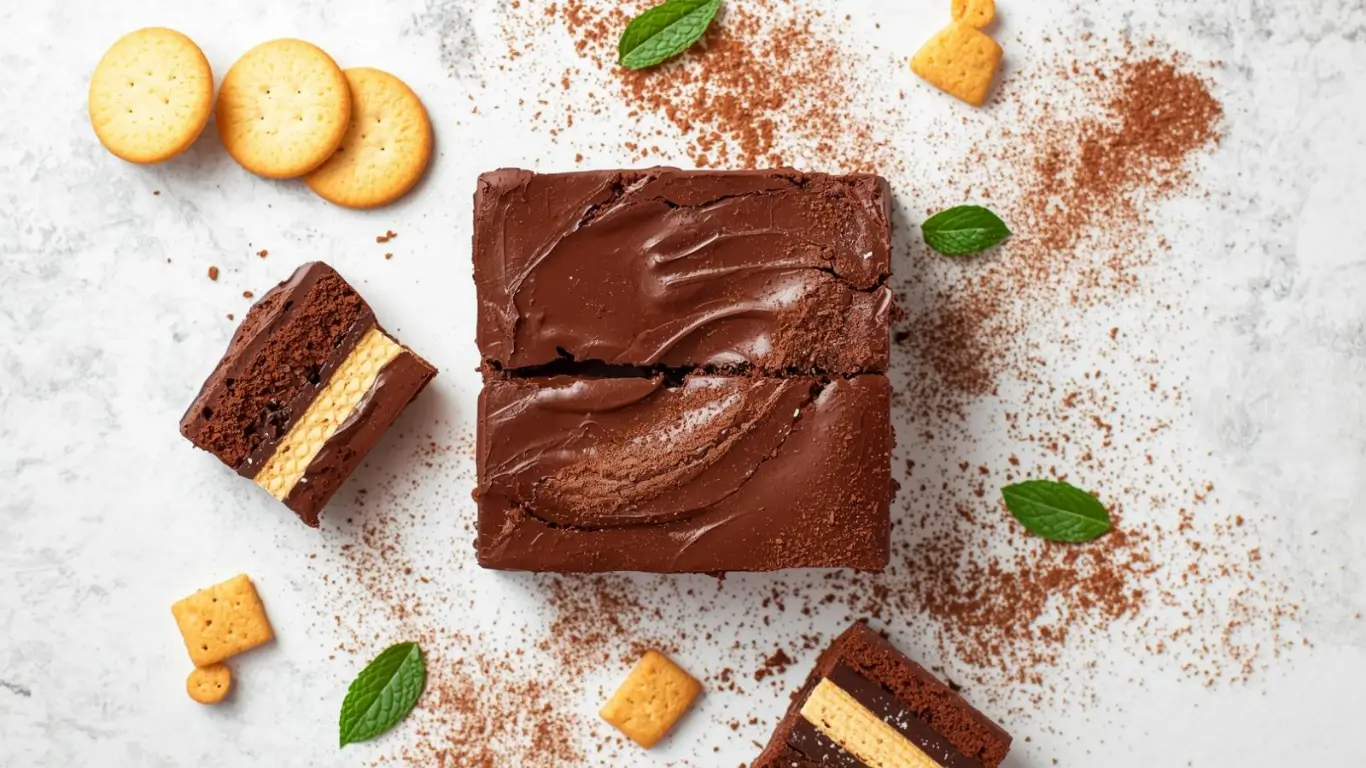
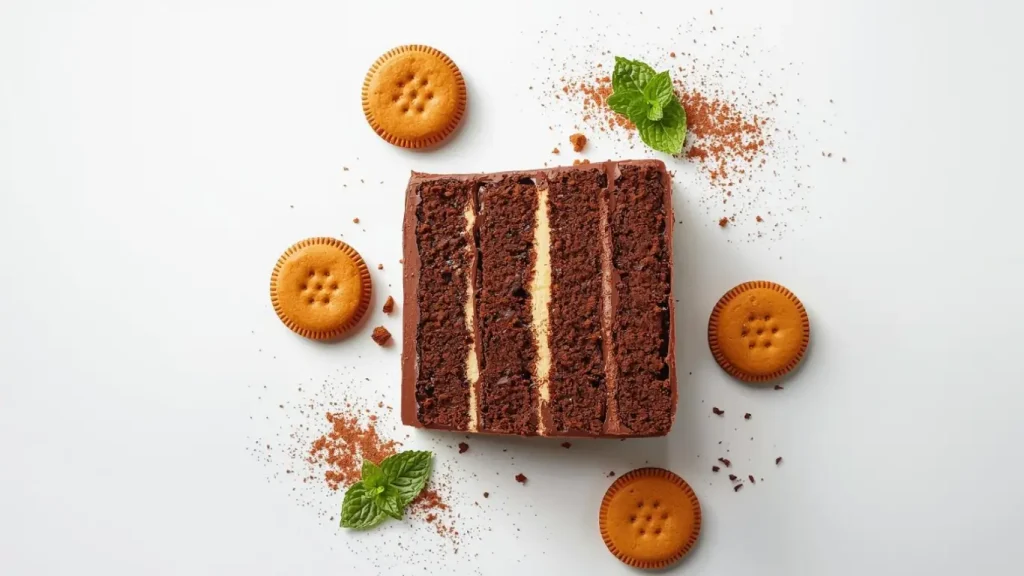
This is the ultimate trick for turning Marie Biscuits into a cake-like dessert, often referred to as “Marie Biscuit Pudding.”
- The Prime: Briefly dip each biscuit in a mixture of lukewarm milk and vanilla extract. Do not let them soak; a 1-second dip is sufficient.
- The Layering Strategy: In a rectangular dish, place a layer of these primed biscuits. Cover them with a thin layer of chocolate ganache or sweetened whipped cream.
- The Osmosis Phase: Repeat the layers until the dish is full. Cover tightly with plastic wrap. This forces the biscuits to absorb moisture from the cream rather than the liquid, leading to a texture identical to sponge cake.
- The Chill: Refrigerate for at least 4 hours. During this time, the starch molecules in the flour undergo a “retrogradation” process, softening the biscuit into a unified, sliceable dessert.
Nutritional Information: Understanding the Numbers
Marie biscuits are often marketed as a “light” choice. Here is the data-driven breakdown of what a standard serving (approx. 3 biscuits) looks like when prepared using the “Quick Dip” method (with milk).
| Component | Per Serving (3 Biscuits) | Context/Insight |
| Calories | 120 kcal | Lower than most cream-filled biscuits. |
| Total Fat | 3.5g | Mostly from vegetable fats or butter. |
| Saturated Fat | 1.8g | Moderate; fits into a balanced diet. |
| Carbohydrates | 21g | High-GI; provides a quick energy boost. |
| Sugars | 6g | Relatively low compared to digestive biscuits. |
| Protein | 2g | Slightly increased if using whole milk for soaking. |
Healthier Alternatives for the Recipe
If you love Marie Biscuits but have specific dietary goals, you can still utilize these softening tricks with a few adjustments:
- Lower Glycemic Index: Instead of soaking in sweetened milk, use unsweetened almond milk with a pinch of cinnamon. Cinnamon helps regulate the blood sugar spike associated with white-flour biscuits.
- Probiotic Boost: Use Method 2 (The Deep Soften) with a layer of honey-sweetened Greek Yogurt instead of whipped cream. The acidity in the yogurt softens the biscuit even faster while providing gut-healthy bacteria.
- Wholemeal Versions: Many brands now offer a “Wholemeal Marie.” These require 2 extra seconds of soaking because the bran and germ in the flour are more resistant to moisture absorption.
CAROTE 21-Piece Nonstick Cookware Set, White Granite Induction Pots and Pans with Frying Pans & Saucepans (PFOS, PFOA Free)

Serving Suggestions: From Casual to Gourmet
- The “Marie-Misu”: Use Method 2 but soak the biscuits in espresso and layer with mascarpone. It’s a 10-minute alternative to traditional Tiramisu.
- Childhood Nostalgia Bowl: Crumble semi-softened biscuits into a bowl of warm milk and honey. This “biscuit porridge” is a classic comfort food in many cultures.
- The Ice Cream Sandwich: Take two semi-softened biscuits (Method 1) and sandwich a scoop of salted caramel ice cream between them. The softness of the biscuit ensures the ice cream doesn’t squeeze out the sides when you bite.
Common Mistakes to Avoid
- Using Boiling Liquid: If your tea or milk is boiling, it will melt the sugar on the surface of the Marie Biscuits too fast, causing it to disintegrate instantly.
- Over-Dipping in Method 2: If the biscuits are too wet when you layer them for pudding, the final result will be watery and lose its cake-like structure. They should feel damp, not soggy.
- Crowding the Tray: When baking with softened biscuits, ensure they don’t touch, as the increased moisture content makes them prone to sticking together.
Storing Tips for Freshness
- Post-Softening: If you have used Method 1, the biscuits must be consumed immediately. They do not “keep” once dipped.
- Pudding Storage: Marie Biscuit Pudding (Method 2) actually improves with age. It can be stored in the fridge for up to 3 days. The moisture distribution becomes more even over time.
- Dry Storage: Always store your un-softened biscuits in a tin with a tight seal. Marie biscuits are highly “hygroscopic” and will absorb humidity from the air, becoming “stale” (rubbery) if left out.
Conclusion
The “Marie Biscuits Trick” proves that with a little understanding of food science, even the simplest biscuit can be elevated. Whether you prefer a quick 3-second tea dip or a luxurious layered pudding, controlling the moisture is the key to success. Try these methods today and discover why Marie Biscuits remain a global favorite!
Call to Action: Have you tried the 3-second rule yet? Share your results in the comments or tell us your favorite way to enjoy Marie biscuits! If you enjoyed this guide, subscribe to our blog for more secret kitchen hacks and SEO-optimized recipes!
FAQs
Q: Why do my Marie Biscuits always break in my tea?
A: You are likely dipping for too long or your tea is too hot. Try the “half-submerge” technique mentioned in Method 1 for exactly 3 seconds.
Q: Can I use this softening trick for Gluten-Free Marie biscuits?
A: Yes, but be careful! Gluten-free flours often lack the structural “glue” of traditional biscuits. Reduce your soaking time by 50% to prevent them from falling apart.
Q: What is the best liquid for softening Marie Biscuits for kids?
A: Warm milk with a drop of honey or a splash of strawberry juice is a huge hit with younger palates.
Q: Can I freeze Marie Biscuit Pudding?
A: Absolutely. It turns into a delicious ice-box cake. Just ensure it is wrapped tightly to prevent freezer burn.
Your feedback helps other cooks succeed. Rate this recipe!
The Ultimate No-Fuss Dessert!
This was the easiest and most impressive dessert I’ve made in ages. I followed the recipe exactly for a last-minute dinner party, and it was a massive hit. The layers looked beautiful when sliced, and the combination of the crisp Marie biscuits with the smooth, rich ganache was perfect. It’s wonderfully decadent but so simple to assemble. This is now my go-to “emergency” dessert!
Perfect for Getting Kids Involved
My children loved helping me make this. They had fun arranging the biscuits and pouring the chocolate. The best part was waiting for it to set—the anticipation made it even more exciting! The final result was delicious, not too sweet, and had a great texture. A fantastic, foolproof recipe for a family baking activity that delivers great results.