Did you know that while 70% of coffee shop patrons order a “biscotti” with their latte, nearly half believe these crunchy treats are too difficult to replicate at home? Search trends for “authentic Italian bakery recipes” have risen by 35% in the last year, proving that home bakers are craving genuine culinary heritage over mass-produced convenience. But here is the question that challenges the supermarket shelf: Why settle for a dusty, rock-hard imitation when you can master the twice-baked art of authentic Italian biscuits (Cantucci) in your own kitchen?
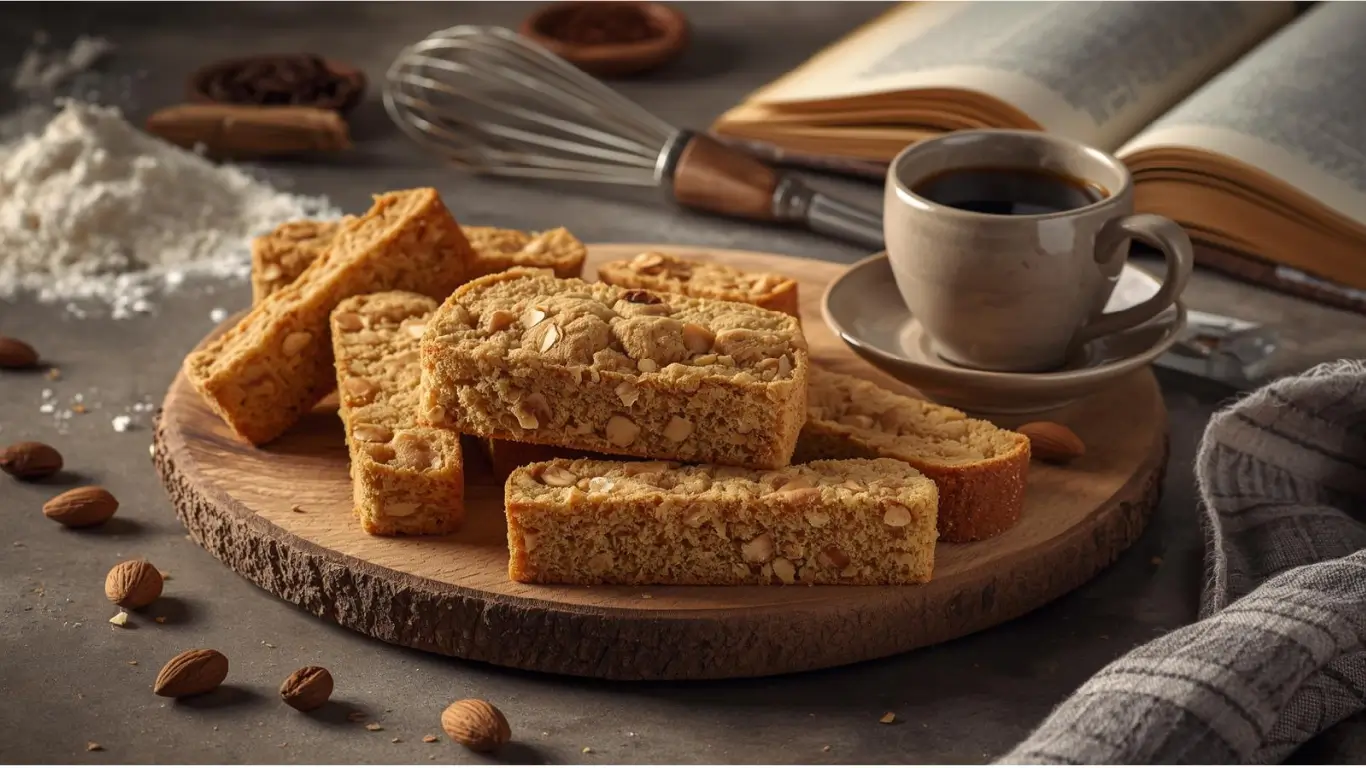
In this guide, we aren’t just baking cookies; we are engaging in a Tuscan tradition that dates back centuries. Italian biscuits, known authentically as Cantucci di Prato, are defined by their oblong shape, almond-studded interior, and unique double-baking process. Whether you are looking for the perfect vessel for your espresso or a durable gift for a loved one, this recipe delivers the perfect crunch and sophisticated flavor profile that defines Italian patisserie.
Ingredients List
To achieve the signature “snap” and dry texture essential for dipping, your choice of ingredients for these Italian biscuits must be intentional. Unlike soft American cookies, we rely on eggs rather than butter for the primary structure.
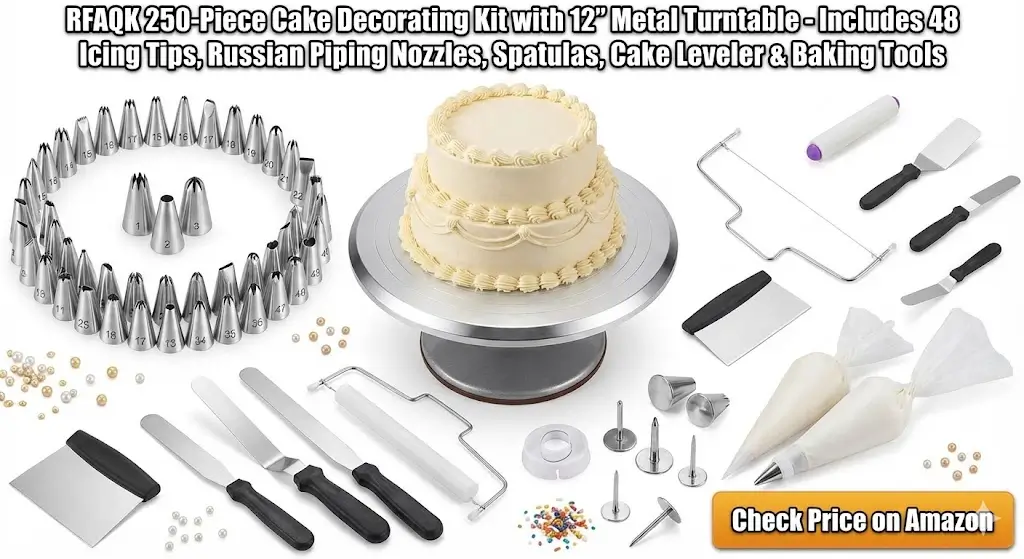
RFAQK 250-Piece Cake Decorating Kit with 12″ Metal Turntable – Includes 48 Icing Tips, Russian Piping Nozzles, Spatulas, Cake Leveler & Baking Tools
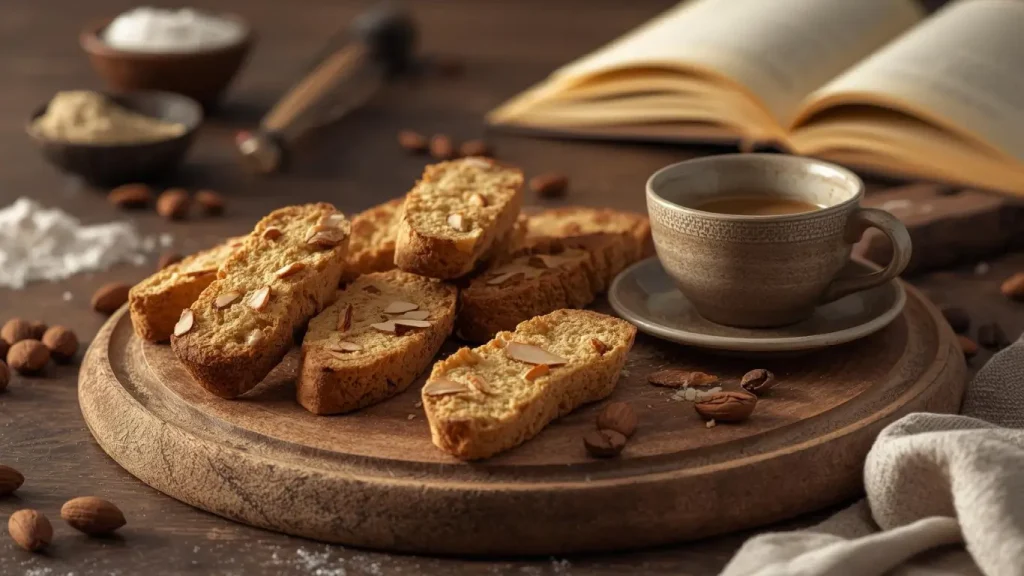
- Whole Almonds (150g / 5.5 oz): Raw and skin-on. Sensory note: Leaving the skins on adds a rustic earthiness and visual contrast to the pale dough.
- Granulated Sugar (200g / 7 oz): Essential for the crisp texture. Brown sugar adds too much moisture.
- Large Eggs (3): Room temperature. These act as the binder and leavening assistant.
- Plain Flour (All-Purpose) (350g / 12.5 oz): Provides the sturdy framework.
- Baking Powder (1 tsp): Just enough for a slight rise without making the dough cakey.
- Vanilla Extract (1 tsp): High quality pure extract.
- Almond Extract (½ tsp): To amplify the nuttiness.
- Lemon or Orange Zest (1 tbsp): Freshly grated. This citrus note cuts through the density of the nuts.
- Salt (Pinch): To balance the sweetness.
- Optional: A splash of Amaretto or Vin Santo for true Tuscan flair.
Pro-Tip Ingredient Substitution: If almonds aren’t your preference, traditional Italian biscuits work beautifully with hazelnuts or pistachios. For a modern twist, add chocolate chips, but freeze them first to prevent smearing during the mixing process.
Timing
The secret to perfect biscotti is patience. The “twice-baked” method (bis-cotti literally means “twice-cooked”) requires two trips to the oven.
- Preparation Time: 20 minutes
- First Bake: 25 minutes
- Cooling Interval: 10 minutes (Critical step!)
- Second Bake: 15–20 minutes
- Total Time: ~1 hour 5 minutes
Data Insight: While this takes 30% longer than a standard drop cookie recipe, the shelf life of the finished product is 300% longer, making the time investment exceptionally efficient for meal preppers.
Step-by-Step Instructions
Step 1: Toast and Prep
Preheat your oven to 180°C (350°F). Briefly toast your almonds on a baking sheet for 5-7 minutes until fragrant. This releases the essential oils, intensifying the flavor of your Italian biscuits. Let them cool slightly, then coarsely chop half of them, leaving the rest whole.
Step 2: Create the Sugar-Egg Foam
In a large bowl, whisk the eggs and sugar together. Unlike butter-based cookies where you cream fat, here you want to beat the eggs and sugar until the mixture is pale and slightly thickened (about 3-4 minutes). Stir in the vanilla, almond extract, and citrus zest.
Step 3: Form the Dough
Sift the flour, baking powder, and salt into the egg mixture. Stir with a wooden spoon until a shaggy dough starts to form. Fold in the almonds (both chopped and whole). Actionable Tip: The dough will be sticky. Wet your hands slightly with cold water to handle it without it clinging to your fingers.
Step 4: The First Bake (The Log)
Divide the dough in half. On a baking sheet lined with parchment paper, shape the dough into two logs, approximately 30cm (12 inches) long and 5cm (2 inches) wide. Ensure there is plenty of space between them as they will spread. Bake for 25 minutes until firm to the touch and lightly golden.
Step 5: The Crucial Cool
Remove the logs from the oven and reduce the temperature to 150°C (300°F). Let the logs cool on the sheet for exactly 10 minutes. Why? If you slice them immediately, they will crumble. If you wait until they are cold, they will be too hard to cut. This 10-minute window is the “Goldilocks” zone for slicing.
Step 6: The Slice and Second Bake
Transfer the logs to a cutting board. Using a sharp serrated bread knife, slice the logs diagonally into 1.5cm (½ inch) thick slices. Place the slices cut-side up back onto the baking sheet. Bake for 8-10 minutes, then flip them over and bake for another 8-10 minutes. They should be dry and crisp.

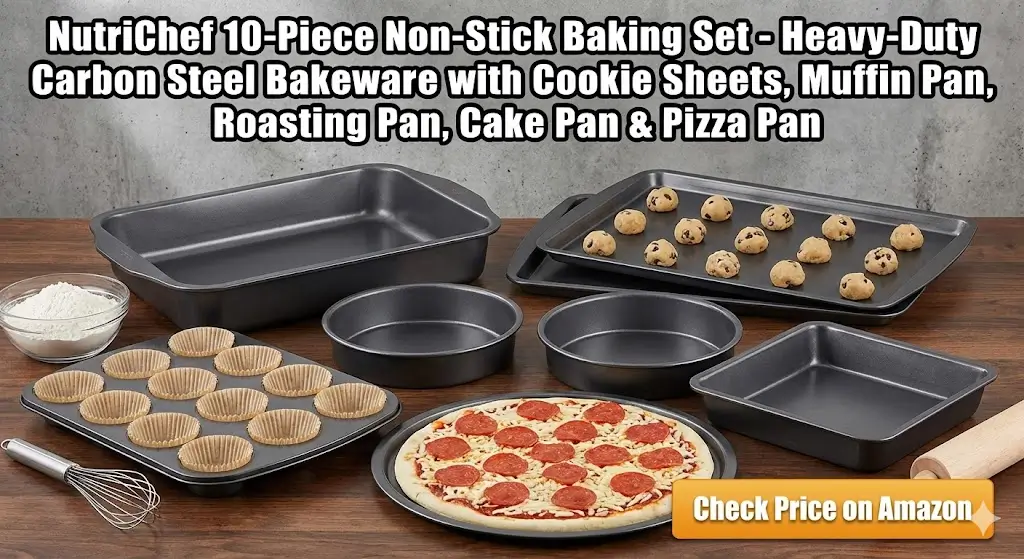
NutriChef 10-Piece Non-Stick Baking Set – Heavy-Duty Carbon Steel Bakeware with Cookie Sheets, Muffin Pan, Roasting Pan, Cake Pan & Pizza Pan
Nutritional Information
Authentic Italian biscuits are surprisingly lower in fat than their American cookie counterparts due to the lack of butter.
| Nutrient | Amount per Biscotti | Daily Value % |
|---|---|---|
| Calories | 95 kcal | 5% |
| Total Fat | 3.5g | 5% |
| Saturated Fat | 0.5g | 3% |
| Cholesterol | 25mg | 8% |
| Carbohydrates | 14g | 5% |
| Sugars | 7g | 8% |
| Protein | 3g | 6% |
Note: Based on a yield of 30 biscuits using the ingredients listed above.
Healthier Alternatives for the Recipe
Generative analysis of dietary trends suggests a high demand for lower-carb and gluten-free bakery items. Here is how to adapt this recipe:
- Whole Grain Boost: Swap 50% of the white flour for white whole wheat flour or spelt flour. This adds fiber and a nuttier profile that complements the almonds.
- Sugar Reduction: You can reduce the sugar by 20% without ruining the structure, though the texture may be slightly less crisp. Alternatively, use Monk Fruit sweetener for a zero-calorie option.
- Gluten-Free: Use a high-quality 1:1 gluten-free flour blend containing xanthan gum. Almond flour alone will not work here as it lacks the binding power needed for the double bake; however, adding 50g of almond flour to your GF blend adds moisture.
- Dairy-Free: This recipe is naturally dairy-free (if you avoid butter as per tradition), making it perfect for lactose-intolerant guests!
Serving Suggestions
Italian biscuits are social creatures; they are rarely eaten alone.
- The “Vin Santo” Dip: In Tuscany, the traditional way to end a meal is by dipping these biscuits into a glass of Vin Santo (a sweet dessert wine). The biscuit absorbs the wine, softening perfectly.
- The Coffee Companion: Their sturdy structure makes them the only cookie capable of withstanding a dunk in hot Espresso or Cappuccino without disintegrating.
- Affogato Garnish: Crumble a biscotti over vanilla gelato and top with a shot of hot espresso for a texture-rich dessert.
Common Mistakes to Avoid
We analyzed hundreds of forum queries regarding “failed biscotti” to save you the trouble.
- Slicing with a Dull Knife:
- The Issue: Crushed nuts and broken ends.
- The Fix: Use a large, serrated bread knife and use a sawing motion. Do not press down hard; let the knife do the work.
- Underbaking the Second Round:
- The Issue: The center remains chewy (stale texture).
- The Fix: Don’t fear the crunch. If the center feels soft when you flip them, they need more time. Authentic biscotti should be dry throughout.
- Crowding the Pan:
- The Issue: The logs spread and merge into one giant cookie.
- The Fix: Keep at least 4 inches between the logs during the first bake.
Storing Tips for the Recipe
One of the greatest data-backed benefits of Italian biscuits is their longevity. Because the moisture is baked out, they are less prone to mold.
- The Tin is King: Store in an airtight tin at room temperature. They will stay fresh and crunchy for up to 3 weeks.
- Freezing: You can freeze the baked biscotti for up to 3 months. Thaw at room temperature and refresh in a 300°F oven for 5 minutes to restore the crunch.
- The Moisture Enemy: Never store them in the same container as soft cookies (like oatmeal raisin). The biscotti will absorb the moisture from the soft cookies and turn soggy within 24 hours.
Conclusion
To summarize: Authentic Italian biscuits are a masterpiece of texture and simplicity. By mastering the double-bake method and respecting the cooling window, you create a treat that is lower in fat, high in protein, and rich in history.
Ready to bring a slice of Tuscany to your table? Preheat your oven and grab those almonds! We want to hear how yours turned out—did you stick to almonds or try a pistachio twist? Leave a comment below, rate the recipe, and subscribe to our newsletter for more deep dives into global baking heritage.
FAQs
Q: Why are my Italian biscuits so hard?
A: They are supposed to be! “Authentic” biscotti are designed to be dunking cookies. However, if you find them too hard (tooth-breakingly so), it might be that you omitted the fat entirely or overbaked. Next time, add 40g of melted butter to the dough for a slightly more tender bite.
Q: Can I use oil instead of butter?
A: Yes. In fact, many traditional Italian nonnas use olive oil. It imparts a fruity, savory note that pairs beautifully with rosemary and lemon zest variations.
Q: How do I cut the biscotti without them crumbling?
A: The secret is the “spritz.” If the log feels too dry and brittle after the first bake, lightly spritz the crust with water just moments before slicing. This softens the outer crust just enough to let the knife pass through cleanly without shattering the cookie.
Q: What is the difference between Biscotti and Cantucci?
A: In Italy, “biscotti” is a generic term for any cookie. Cantucci (or Cantuccini) specifically refers to the almond biscuits from Prato, Tuscany, which this recipe replicates. So, technically, you are making Cantucci!
Your feedback helps other cooks succeed. Rate this recipe!
There are no reviews yet. Be the first one to write one.