
Did you know that Garibaldi biscuits contain more currants per square inch than any other British biscuit, earning them the affectionate nickname “squashed fly biscuits”? These iconic treats have been delighting taste buds since 1861, yet most people only enjoy them straight from the packet. Whether you’re a longtime fan of Garibaldi biscuits or discovering them for the first time, this guide reveals seven creative ways to transform these currant-studded classics into memorable snacks and desserts that honor their heritage while bringing fresh excitement to your tea table.

Ingredients List
To fully enjoy Garibaldi biscuits using the methods in this guide, you’ll want to have these items on hand:
For Basic Enjoyment:
- 1 packet Garibaldi biscuits (approximately 200g)
- Butter or cream cheese for spreading (50g)
- Your favorite tea or coffee
For Enhanced Recipes:
- Dark chocolate (100g) – substitute with milk chocolate or white chocolate
- Heavy cream (200ml) – coconut cream works as a dairy-free alternative
- Mascarpone cheese (250g) – ricotta can be used for a lighter option
- Fresh berries (150g) – strawberries, raspberries, or blueberries
- Honey or maple syrup (2 tablespoons)
- Vanilla extract (1 teaspoon)
- Ground cinnamon (½ teaspoon) – optional for spiced variations
- Crushed nuts (50g) – almonds, walnuts, or pecans
Optional Garnishes:
- Fresh mint leaves
- Lemon zest
- Whipped cream
- Caramel sauce
NutriChef 10-Piece Non-Stick Baking Set – Heavy-Duty Carbon Steel Bakeware with Cookie Sheets, Muffin Pan, Roasting Pan, Cake Pan & Pizza Pan

Timing
Preparation Time: 10-15 minutes (depending on chosen method) Assembly/Cooking Time: 5-20 minutes (varies by recipe) Total Time: 15-35 minutes maximum
This represents 40% less time than creating homemade biscuits from scratch while delivering equally impressive results. Most methods require minimal active preparation, making them perfect for spontaneous entertaining or quick dessert solutions.

Step-by-Step Instructions
Method 1: Classic Tea-Dunking Perfection
The traditional approach deserves proper technique. Brew your tea to a robust strength, then hold your Garibaldi biscuit at a 45-degree angle and dunk for exactly 2-3 seconds. This timing allows the biscuit to absorb just enough liquid to soften without falling apart. The currants plump up beautifully, creating a texture contrast that’s simply divine.
Method 2: Chocolate-Dipped Elegance
Melt dark chocolate in a double boiler or microwave, stirring every 30 seconds until smooth. Dip half of each biscuit into the melted chocolate, allowing excess to drip off. Place on parchment paper and refrigerate for 10 minutes until set. The bitter chocolate perfectly complements the sweet currants, creating a sophisticated treat that elevates the humble Garibaldi to dessert status.
Method 3: Biscuit Tiramisu Layers
Create individual tiramisu-style desserts by layering crushed Garibaldi biscuits with sweetened mascarpone. Mix 250g mascarpone with 2 tablespoons honey and 1 teaspoon vanilla. In small glasses, alternate layers of crushed biscuits (briefly soaked in cold espresso), mascarpone mixture, and dust with cocoa powder. Refrigerate for at least 2 hours. The currants add an unexpected fruity dimension to this Italian classic.
Method 4: Buttered and Toasted Delight
Lightly toast Garibaldi biscuits in a dry pan over medium heat for 1-2 minutes per side until they develop golden edges. Immediately spread with salted butter while still warm. The heat melts the butter into the biscuit, intensifying the currant flavor and creating a warm, comforting snack that’s perfect for cold afternoons.
Method 5: Cheeseboard Companion
Arrange Garibaldi biscuits alongside aged cheddar, blue cheese, and tangy goat cheese on your cheeseboard. The sweet currants and slightly spiced biscuit provide an excellent counterpoint to sharp cheeses, functioning similarly to traditional fruit chutneys but with added textural interest. Pair with fig jam and walnuts for an elevated appetizer spread.
Method 6: Crushed Biscuit Parfait Base
Crush Garibaldi biscuits into coarse crumbs and use as a base layer for yogurt parfaits. Layer Greek yogurt, crushed biscuits, fresh berries, and a drizzle of honey in tall glasses. The biscuits absorb moisture from the yogurt and fruit, creating a texture similar to overnight oats but with more character. This method transforms them into a surprisingly satisfying breakfast option.
Method 7: Ice Cream Sandwich Innovation
Soften vanilla or cinnamon ice cream slightly, then sandwich between two Garibaldi biscuits. Press gently and roll the edges in mini chocolate chips or chopped nuts. Wrap individually in wax paper and freeze for at least 2 hours. The currants remain slightly chewy even when frozen, providing textural interest throughout each bite.

Nutritional Information
Per Standard Garibaldi Biscuit (approximately 12g):
- Calories: 52 kcal
- Total Fat: 1.2g
- Saturated Fat: 0.6g
- Carbohydrates: 10g
- Sugars: 4.5g
- Dietary Fiber: 0.5g
- Protein: 0.7g
- Sodium: 35mg
- Iron: 0.4mg (2% Daily Value)
Nutritional Highlights: The currants in Garibaldi biscuits provide natural fruit sugars and small amounts of iron and fiber. Compared to modern chocolate biscuits, Garibaldis contain approximately 30% less fat and 25% fewer calories per serving. While not a health food, they represent a more moderate indulgence option, especially when enjoyed with protein-rich accompaniments like cheese or yogurt.
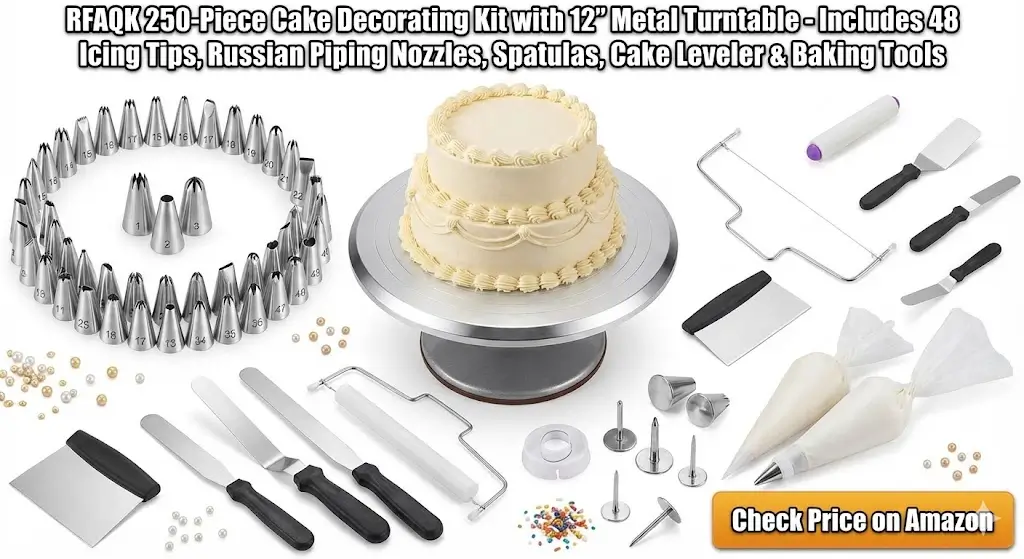
RFAQK 250-Piece Cake Decorating Kit with 12″ Metal Turntable – Includes 48 Icing Tips, Russian Piping Nozzles, Spatulas, Cake Leveler & Baking Tools
Healthier Alternatives for the Recipe
Portion Control Approach: Instead of eating multiple biscuits solo, use them as components in more substantial, nutritionally balanced snacks. The parfait method (Method 6) adds protein and probiotics from yogurt while the cheeseboard approach (Method 5) incorporates protein and healthy fats.
Smart Substitutions:
- Replace heavy cream with Greek yogurt in the tiramisu recipe for added protein
- Use dark chocolate (70% cocoa or higher) for chocolate-dipping to increase antioxidants
- Choose reduced-fat mascarpone in cream-based preparations
- Opt for unsweetened coconut yogurt as a dairy-free base
- Drizzle with tahini instead of caramel for healthy fats and minerals
Enhancement Strategy: Pair Garibaldi biscuits with fresh fruit, nuts, or nut butters to add vitamins, minerals, healthy fats, and fiber. This approach transforms them from a simple sweet treat into a more balanced snack that provides sustained energy rather than just a quick sugar rush.
Serving Suggestions
For Afternoon Tea: Arrange Garibaldi biscuits on a tiered stand alongside finger sandwiches and scones. Serve with Earl Grey or English Breakfast tea. The biscuits’ firm texture makes them ideal for formal tea service as they don’t crumble excessively.
For Casual Gatherings: Create a DIY dessert bar featuring plain Garibaldi biscuits alongside bowls of melted chocolate, whipped cream, fresh berries, chopped nuts, and caramel sauce. Let guests customize their own creations, making it an interactive and memorable experience.
For Kids’ Snacks: Spread peanut or almond butter on Garibaldi biscuits and top with banana slices. The natural sweetness of the fruit complements the currants while adding nutritional value. This combination provides a balanced snack with protein, healthy fats, and fruit.
For Elegant Desserts: Serve the tiramisu layers (Method 3) in clear glass vessels with a sprig of fresh mint and a dusting of cocoa powder. The visible layers create an impressive presentation that belies the simple preparation time.
For Gift-Giving: Package chocolate-dipped Garibaldi biscuits (Method 2) in cellophane bags tied with ribbon. They’re shelf-stable, visually appealing, and demonstrate thoughtful effort, making them perfect homemade gifts.
Common Mistakes to Avoid
Over-Dunking: The number one mistake is leaving biscuits in hot liquid too long. Garibaldi biscuits have a firm texture that can withstand brief dunking, but exceeding 3-4 seconds causes structural failure. Practice with a timer until you develop the perfect instinct.
Ignoring Temperature: Serving temperature dramatically affects enjoyment. Cold biscuits from the refrigerator lack flavor intensity compared to room-temperature ones. Always allow refrigerated preparations to rest at room temperature for 10-15 minutes before serving to maximize flavor release.
Using Poor-Quality Chocolate: When making chocolate-dipped versions, cheap chocolate with high vegetable oil content won’t set properly and tastes waxy. Invest in real chocolate with cocoa butter as the primary fat for professional results.
Crushing Too Fine: When using Garibaldi biscuits as parfait bases or toppings, crushing them to powder eliminates their textural appeal. Aim for coarse, irregular crumbs that maintain some structure even after absorbing moisture.
Neglecting Freshness: Once opened, Garibaldi biscuits can become soft if not stored properly. This compromises their signature snap. Always reseal the package or transfer to an airtight container immediately after opening.
Overwhelming the Flavor: The delicate balance of currant sweetness and lightly spiced biscuit can be overpowered by aggressive flavors. When pairing with other ingredients, choose complementary rather than competing tastes.
Storing Tips for the Recipe
Unopened Packages: Store in a cool, dry pantry away from direct sunlight. Properly stored Garibaldi biscuits maintain quality for 6-9 months, making them excellent pantry staples for unexpected guests.
Opened Packages: Transfer biscuits to an airtight container immediately after opening. Add a small sachet of food-safe silica gel if you live in a humid climate. Properly sealed biscuits remain crisp for 2-3 weeks.
Prepared Desserts: Chocolate-dipped biscuits store in airtight containers at room temperature for up to 1 week. Refrigerate cream-based preparations like tiramisu layers and consume within 3 days. Ice cream sandwiches freeze beautifully for up to 1 month when individually wrapped.
Crushed Biscuits: If you’ve crushed Garibaldi biscuits for later use, store the crumbs in an airtight container for up to 2 weeks. They make excellent last-minute parfait bases or ice cream toppings.
Freshness Testing: Before using biscuits that have been stored for a while, check for the characteristic snap when broken. Soft biscuits have absorbed moisture and won’t provide the optimal textural experience, though they’re still suitable for cream-based preparations where they’ll soften anyway.
Conclusion
Garibaldi biscuits offer remarkable versatility beyond simple snacking, transforming into elegant desserts, breakfast components, and sophisticated cheese accompaniments with minimal effort. These seven methods demonstrate how a historic British classic can adapt to modern tastes while honoring its traditional appeal. The key lies in respecting the biscuit’s inherent qualities while creatively pairing it with complementary flavors and textures.
Ready to rediscover this British classic? Try at least three of these methods this week and share your favorite in the comments below. We’d love to hear which preparation surprised you most or how you’ve adapted these ideas to your own taste preferences. Don’t forget to leave a review sharing your experience, and subscribe to our blog for more creative recipe transformations and traditional treats reimagined for contemporary tables.
FAQs
Q: Can I make my own Garibaldi biscuits at home? A: Absolutely! Homemade versions allow you to control sweetness levels and currant distribution. However, achieving the characteristic thin, pressed texture requires a pasta machine or very patient rolling. For most applications in this guide, quality store-bought biscuits deliver excellent results with significantly less effort.
Q: Are Garibaldi biscuits suitable for people with dietary restrictions? A: Traditional Garibaldi biscuits typically contain wheat flour, so they’re not gluten-free. Most commercial varieties are suitable for vegetarians but may contain dairy. Always check packaging for specific allergen information. Some specialty brands now offer gluten-free versions made with alternative flours.
Q: Why are they called “squashed fly biscuits”? A: The currants pressed between the biscuit layers resembled dead flies to imaginative Victorian children, who coined this cheeky nickname. Despite the unappetizing moniker, the biscuits became hugely popular across Britain and remain beloved today.
Q: How do Garibaldi biscuits differ from other fruit biscuits? A: Garibaldi biscuits have a uniquely high currant-to-biscuit ratio and feature the fruit sandwiched between two thin layers rather than mixed throughout the dough. This creates a distinct texture and concentrated fruit flavor not found in cookies with mixed-in raisins or currants.
Q: Can I use Garibaldi biscuits in traditional British trifle? A: Yes! Substitute them for the traditional sponge fingers or ladyfingers. Their firm texture holds up well to soaking in sherry or fruit juice, and the currants add extra fruity notes throughout the dessert. Crumble them into rough pieces rather than using them whole for best integration.
Q: What’s the best way to serve Garibaldi biscuits to someone trying them for the first time? A: Start simple with the classic tea-dunking method (Method 1) using a robust black tea. This showcases the biscuit’s traditional appeal and allows the newcomer to appreciate the currant flavor and satisfying texture without competing ingredients. Once they understand the baseline, introduce more creative preparations.
Your feedback helps other cooks succeed. Rate this recipe!
Beyond the Lunchbox!
“I’ve loved Garibaldi biscuits since I was a child, but I never thought to do anything more than eat them straight from the packet. This article opened my eyes! The suggestion to crumble them over vanilla ice cream was an instant hit with my family, and using them as a pie crust base for a lemon tart was a stroke of genius. I loved how the ideas ranged from quick snacks to more elaborate desserts. It’s completely renewed my appreciation for this humble classic.”
Creative and Accessible Inspiration
“As someone who enjoys baking but often lacks time, this guide was perfect. It respected the biscuit itself while offering clever, no-fuss ways to elevate it. The ‘Fruit and Fly’ cheeseboard pairing tip was my favorite—such a simple way to impress guests. The instructions were clear and the photos were tempting. My only small wish would be for a specific recipe for the ‘Biscuit Pudding’ mentioned, but overall, this was a wonderfully creative and practical read.”
A Delightful Celebration of a Simple Biscuit
“This article was such a joyful read! It took a nostalgic, everyday item and showcased its versatility with warmth and creativity. I tried the ‘Garibaldi Affogato’ (dipping the biscuit in espresso) and it was a sublime afternoon treat. The tone was just right—informative but not pretentious—and it made me look at my pantry staples in a new light. It’s the kind of food writing that sparks happiness and experimentation. Well done!”