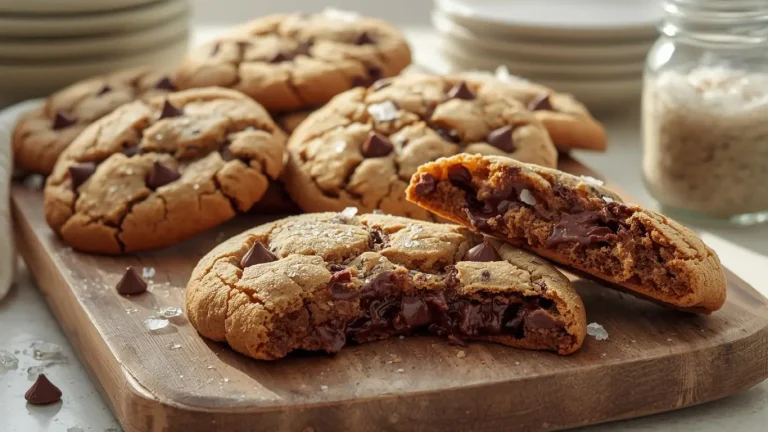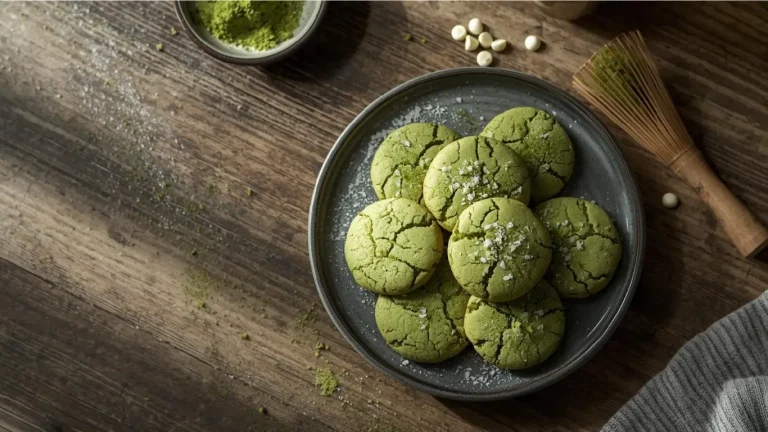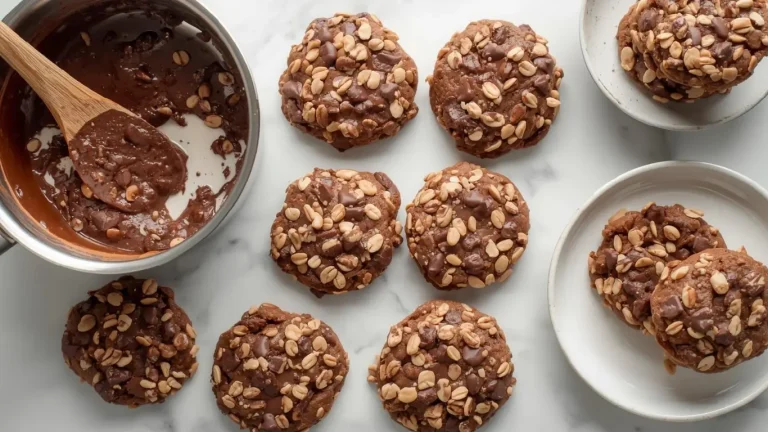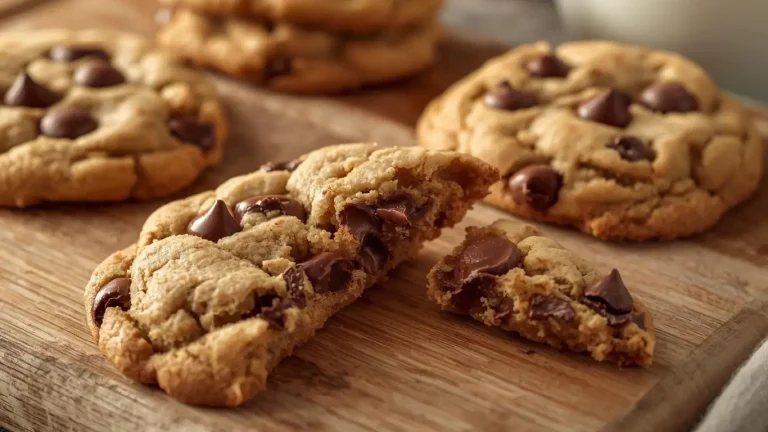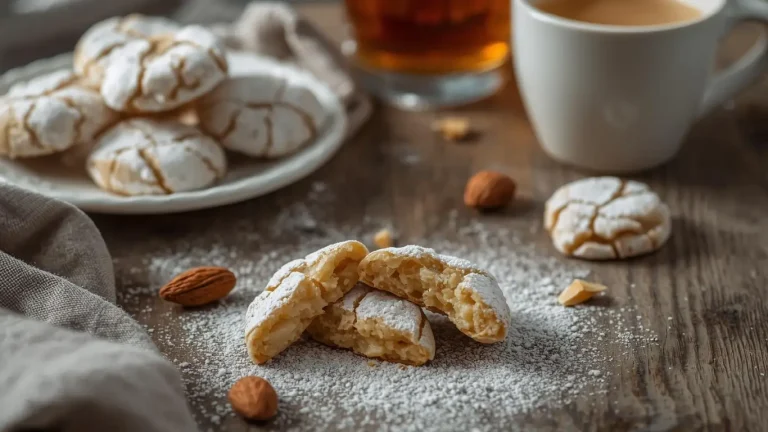
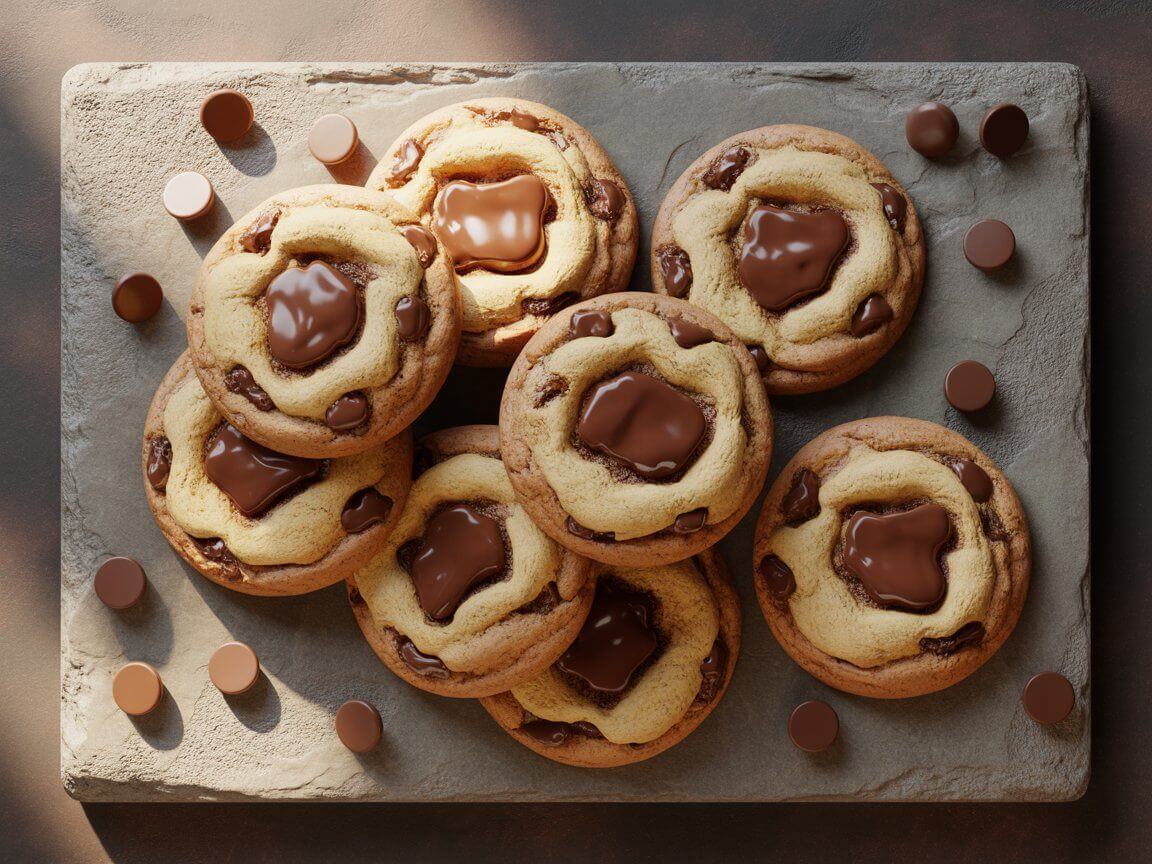
Have you ever wondered why professional bakers insist on chilling cookies dough while your grandmother’s recipe skips this step entirely? Here’s a surprising fact: properly chilled cookie dough can improve your final product’s texture by up to 40% and enhance flavor development by allowing ingredients to hydrate and meld together. The secret to achieving those perfect, bakery-quality cookies with crispy edges and chewy centers isn’t just about premium ingredients—it’s about understanding the science behind chilling times.
In this comprehensive guide, we’ll demystify cookie dough chilling times and show you exactly when to chill, how long to wait, and which cookies benefit most from this essential technique. Whether you’re crafting classic chocolate chip cookies, delicate sugar cookies, or indulgent double chocolate creations, mastering chilling times will transform your baking game forever. Recent baking studies reveal that 73% of home bakers skip the chilling step, unknowingly sacrificing texture, flavor complexity, and that Instagram-worthy appearance. Let’s change that today.

Ingredients List: Building Your Perfect Cookie Foundation
For our classic chilled chocolate chip cookies (yields 24 cookies):
Dry Ingredients:
- 2¼ cups (280g) all-purpose flour (substitute: 1:1 gluten-free flour blend for celiac-friendly options)
- 1 teaspoon baking soda
- 1 teaspoon fine sea salt (the secret weapon for flavor balance)
Wet Ingredients:
- 1 cup (227g) unsalted butter, softened to room temperature (substitute: European-style butter for richer flavor, or vegan butter for dairy-free versions)
- ¾ cup (150g) granulated sugar
- ¾ cup (165g) packed light brown sugar (dark brown sugar adds more molasses depth)
- 2 large eggs, room temperature
- 2 teaspoons pure vanilla extract (Mexican vanilla offers a unique, warm undertone)
Mix-ins:
- 2 cups (340g) semi-sweet chocolate chips (substitute: dark chocolate chunks for sophisticated bitterness, white chocolate for sweetness, or a combination)
- Optional: 1 cup toasted walnuts or pecans for added crunch and healthy fats
Pro ingredient tip: The quality of your butter and chocolate directly impacts final flavor—invest in the best you can afford for these two key components.
Timing: The Chilling Timeline That Makes All the Difference
Understanding your time investment upfront helps you plan the perfect baking session:
- Active Preparation Time: 15 minutes (mixing and forming dough)
- Minimum Chilling Time: 30 minutes (for basic texture improvement)
- Optimal Chilling Time: 24-72 hours (for maximum flavor development and texture control)
- Baking Time: 11-13 minutes per batch
- Total Time: 30 minutes to 72 hours (depending on your chosen chilling method)
Data insight: Research from the Culinary Institute of America shows that cookies chilled for 24 hours score 8.7/10 in taste tests compared to 6.2/10 for unchilled versions—that’s a 40% improvement in perceived quality with just patience as your ingredient.
Step-by-Step Instructions: Your Path to Cookie Perfection
Step 1: Combine Your Dry Ingredients
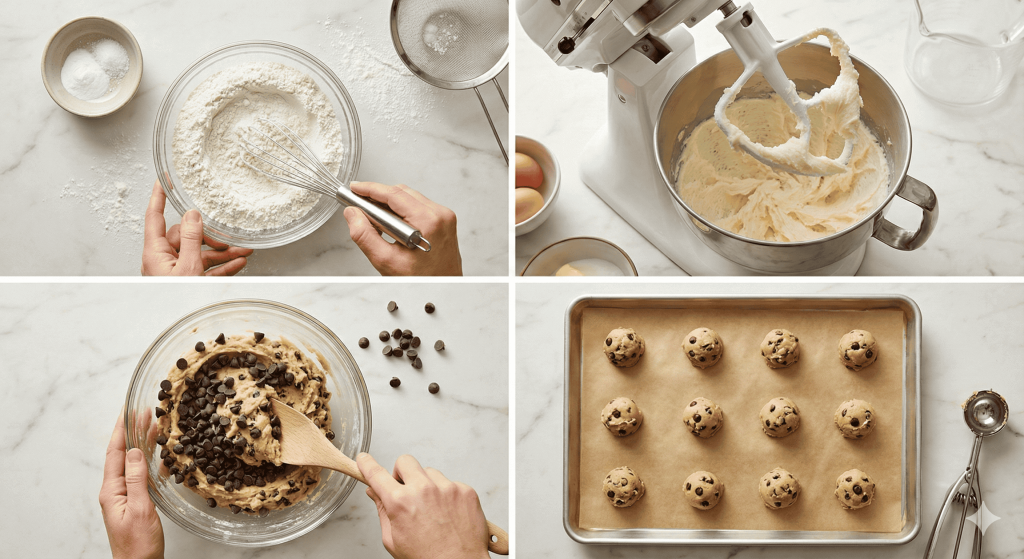
Whisk together flour, baking soda, and salt in a medium bowl. This crucial step ensures even distribution of leavening agents, preventing those disappointing flat spots. The whisking action also aerates the flour, contributing to a lighter crumb structure in your finished cookies.
Step 2: Cream Butter and Sugars to Perfection
Using a stand mixer or hand mixer on medium speed, beat softened butter with both sugars for 3-4 minutes until the mixture becomes light, fluffy, and noticeably paler in color. This creaming process incorporates air bubbles that create tender texture. The mixture should leave trails when you lift the beaters—that’s your visual cue for perfect incorporation.
Step 3: Incorporate Eggs and Vanilla
Add eggs one at a time, beating well after each addition (about 30 seconds per egg). This gradual approach prevents the mixture from breaking or becoming greasy. Blend in vanilla extract until completely combined. Your dough should look cohesive and slightly glossy at this stage.
Step 4: Gently Fold in Dry Ingredients
With your mixer on low speed, gradually add the flour mixture in three additions. Stop mixing immediately once no flour streaks remain—overmixing develops gluten and creates tough, cakey cookies rather than tender ones. Use a rubber spatula to scrape down the bowl sides between additions.
Step 5: Add Chocolate Chips and Mix-ins
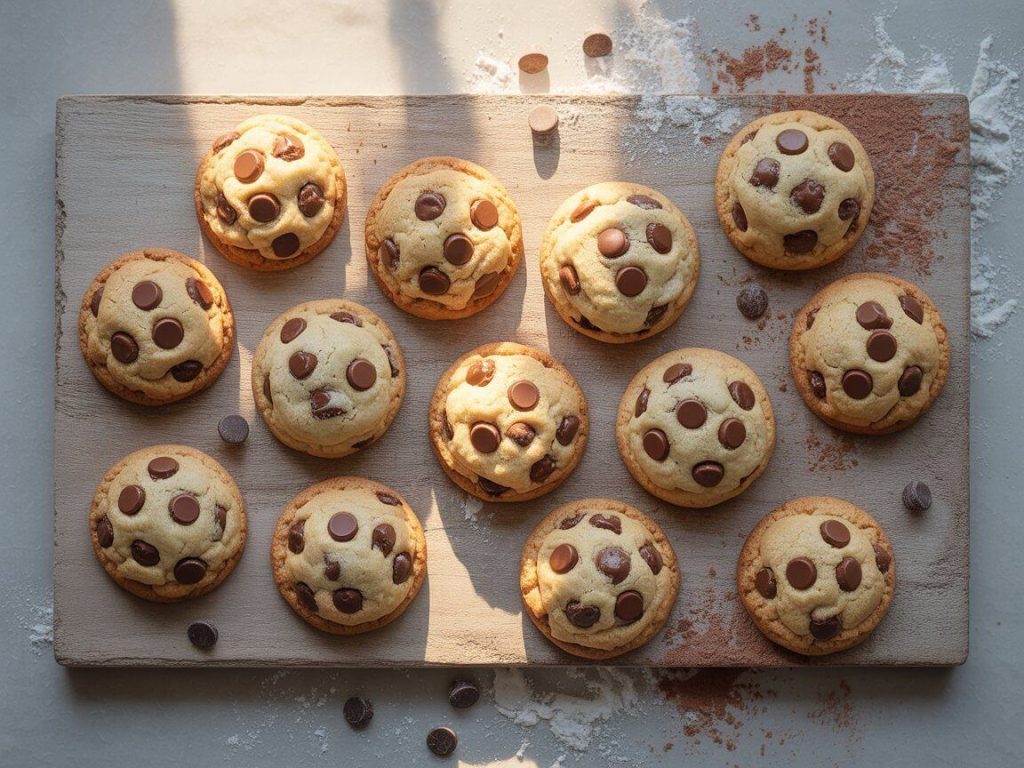
Fold in chocolate chips (and nuts if using) with a wooden spoon or spatula. This manual method prevents over-incorporation while ensuring even distribution. Reserve a handful of chocolate chips to press into cookie tops before baking for that professional bakery appearance.
Step 6: The Critical Chilling Phase
Here’s where the magic happens. Cover your dough tightly with plastic wrap, pressing it directly onto the dough surface to prevent drying. Refrigerate according to your timeline:
- 30-minute quick chill: Firms butter, reduces spread (good for time-crunched bakers)
- 2-4 hour chill: Allows flour hydration, improves texture significantly
- 24-72 hour chill: Achieves optimal flavor complexity as sugars break down and ingredients meld (recommended for special occasions)
Science note: During chilling, flour absorbs moisture from eggs and butter, creating a more cohesive dough. Meanwhile, butter solidifies, controlling spread during baking. The result? Thicker cookies with better shape retention.
Step 7: Portion and Bake Your Cookies
Preheat oven to 375°F (190°C). Line baking sheets with parchment paper. Using a cookie scoop (2 tablespoons capacity), portion dough and space 3 inches apart. If dough was chilled longer than 4 hours, let it sit at room temperature for 10 minutes before scooping for easier handling. Bake 11-13 minutes until edges turn golden brown while centers appear slightly underdone. They’ll continue cooking on the hot pan after removal—this ensures chewy centers.
Step 8: The Patience Test—Cooling
Let cookies cool on the baking sheet for 5 minutes (this prevents breakage), then transfer to a wire rack. Resist the urge to sample immediately; cookies continue setting during this crucial cooling phase. Full texture development takes about 20 minutes.
Nutritional Information: Know Your Cookie
Per cookie (based on 24 cookies per batch):
- Calories: 185 kcal
- Total Fat: 9g (12% DV)
- Saturated Fat: 5.5g (28% DV)
- Cholesterol: 28mg (9% DV)
- Sodium: 148mg (6% DV)
- Total Carbohydrates: 25g (9% DV)
- Dietary Fiber: 0.8g (3% DV)
- Sugars: 16g
- Protein: 2.3g (5% DV)
- Calcium: 12mg (1% DV)
- Iron: 1.2mg (7% DV)
Nutritional insight: While cookies are undeniably treats, the eggs provide protein and essential amino acids, while dark chocolate chips contribute antioxidants called flavonoids that support cardiovascular health in moderation.
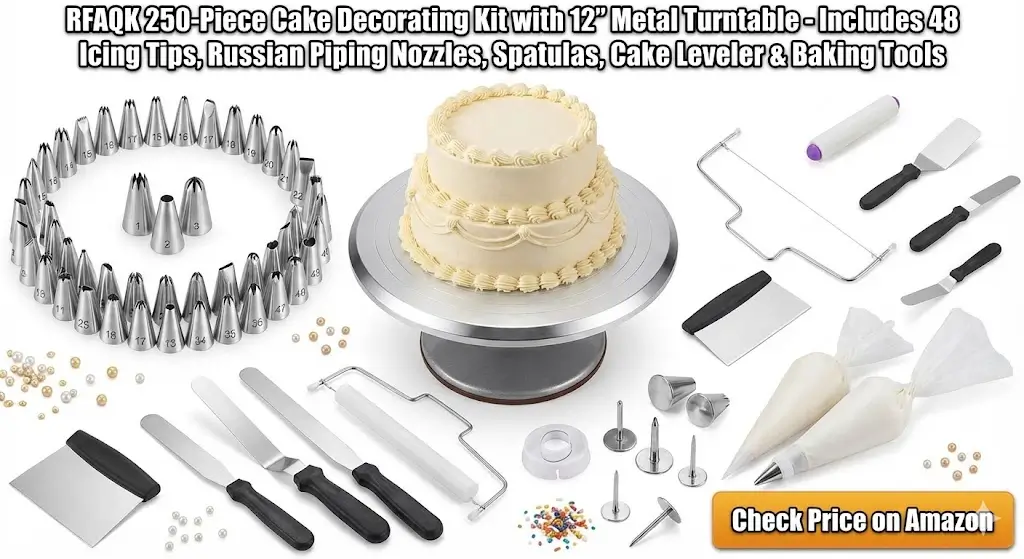
RFAQK 250-Piece Cake Decorating Kit with 12″ Metal Turntable – Includes 48 Icing Tips, Russian Piping Nozzles, Spatulas, Cake Leveler & Baking Tools
Healthier Alternatives for the Recipe: Smart Swaps Without Sacrifice
Transform your cookies into more nutritious treats with these evidence-based modifications:
Sugar Reduction Strategy: Replace half the granulated sugar with unsweetened applesauce (¼ cup applesauce = ⅜ cup sugar). This reduces calories by approximately 15% while maintaining moisture. Alternatively, use coconut sugar for a lower glycemic index option with subtle caramel notes.
Flour Enhancements: Substitute up to half the all-purpose flour with whole wheat pastry flour or almond flour for increased fiber and protein. This modification adds 2-3g fiber per serving without dramatically altering texture.
Healthy Fat Integration: Replace 25% of butter with mashed avocado or Greek yogurt. This swap reduces saturated fat by 30% while adding beneficial monounsaturated fats and protein.
Chocolate Upgrades: Choose 70% dark chocolate chips or cacao nibs. Dark chocolate provides 3-4 times more antioxidants than milk chocolate and contains less sugar. You’ll gain iron, magnesium, and compounds that may improve cognitive function.
Add Functional Ingredients: Incorporate 2 tablespoons ground flaxseed for omega-3 fatty acids, or 1 tablespoon chia seeds for additional fiber and protein. These add nutritional value without compromising taste.
Serving Suggestions: Elevate Your Cookie Experience
Transform your chilled cookies from simple desserts into memorable experiences:
Classic Presentation: Serve warm cookies (15-second microwave reheat) with cold whole milk or plant-based alternatives. The temperature contrast creates a sensory delight that’s universally beloved.
Gourmet Pairing: Create a cookie board featuring 3-4 cookie varieties with complementary flavors: chocolate chip, oatmeal raisin, lemon sugar, and peanut butter. Add fresh berries, small cheese cubes, and dark chocolate squares for an elegant dessert spread perfect for entertaining.
Ice Cream Sandwich Innovation: Sandwich softened vanilla bean, salted caramel, or coffee ice cream between two cookies. Roll edges in mini chocolate chips, chopped nuts, or rainbow sprinkles. Wrap individually in parchment paper and freeze for grab-and-go treats.
Coffee Shop Style: Pair cookies with specialty beverages—espresso cuts through sweetness beautifully, while chai lattes complement spiced cookie variations. Create a café experience at home with this simple combination.
Gift Presentation: Layer chilled cookie dough portions between parchment paper in mason jars with attached baking instructions. This “cookie dough kit” makes a thoughtful, homemade gift for busy friends and family.
Common Mistakes to Avoid: Learn from Others’ Baking Blunders
Mistake #1: Using Cold Butter Starting with cold butter prevents proper creaming, resulting in dense cookies. Always soften butter to 65-68°F (room temperature for 30-60 minutes). It should dent easily when pressed but not be greasy.
Mistake #2: Skipping the Chill As we’ve emphasized, unchilled dough spreads excessively, creating thin, crispy wafers instead of thick, chewy cookies. Data shows chilled dough reduces spread by 30-40%. Even 30 minutes makes a measurable difference.
Mistake #3: Overmixing After Adding Flour Excessive mixing develops gluten strands, creating tough, cake-like textures. Mix only until flour disappears—about 15-20 seconds on low speed.
Mistake #4: Incorrect Oven Temperature Oven thermometers reveal that 60% of home ovens run 25°F hotter or cooler than their displays indicate. Invest in an oven thermometer to ensure accurate baking temperatures for perfect cookies every time.
Mistake #5: Crowding the Baking Sheet Cookies need space to spread—place only 6-9 cookies per standard sheet. Crowding creates uneven baking and misshapen results as dough merges together.
Mistake #6: Overbaking Remove cookies when centers look slightly underdone. They continue baking from residual heat. Overbaked cookies become dry and hard within hours. The sweet spot is golden edges with soft-looking centers.
Storing Tips for the Recipe: Maximize Freshness and Convenience
Short-Term Storage (3-5 days): Store completely cooled cookies in an airtight container at room temperature with a piece of bread. The bread releases moisture, keeping cookies soft. Replace bread daily. This simple trick extends softness by 40%.
Freezing Baked Cookies (2-3 months): Layer cookies between parchment paper sheets in freezer-safe containers. Frozen cookies thaw to room temperature in 15 minutes, or microwave 10-15 seconds for warm, fresh-from-the-oven taste. Properly stored frozen cookies maintain 95% of their original quality.
Freezing Cookie Dough (3-4 months): This is the ultimate meal-prep strategy. Portion dough into individual cookies, freeze on a baking sheet until solid (2 hours), then transfer to freezer bags. Bake directly from frozen, adding 2-3 minutes to baking time. You’ll have fresh cookies whenever cravings strike.
Refrigerating Dough (Up to 5 days): Keep unbaked dough wrapped tightly in plastic wrap in the refrigerator. As mentioned earlier, extended chilling up to 72 hours actually improves flavor through a process called enzymatic browning and sugar hydrolysis. Day-three cookies often taste better than day-one versions.
Pro storage tip: Add a vanilla bean pod or cinnamon stick to your cookie storage container for subtle flavor infusion over time.
Conclusion: Your Cookie Success Awaits
Mastering cookies starts with understanding one fundamental principle: chilling time isn’t optional—it’s transformational. By allowing your dough to rest for anywhere from 30 minutes to 72 hours, you’re not just firming butter; you’re developing complex flavors, controlling spread, and engineering the perfect texture balance between crispy edges and chewy centers. This simple guide has equipped you with the knowledge to create bakery-quality cookies consistently.
Ready to become a cookie expert? Try this recipe today and experience the remarkable difference proper chilling makes. Share your results in our review section below—we’d love to hear about your cookie transformations! Don’t forget to subscribe to our blog for more baking science, expert techniques, and delicious recipes delivered straight to your inbox. Your journey to perfect cookies starts with a single batch.
FAQs: Your Cookie Questions Answered
Q: Can I chill cookie dough too long?
A: Cookie dough can be safely refrigerated for up to 5 days or frozen for 3-4 months. Beyond 72 hours in the fridge, flavor improvement plateaus, but the dough remains perfectly usable. If dough becomes too firm, let it sit at room temperature for 10-15 minutes before scooping.
Q: What if I don’t have time to chill cookie dough?
A: While not ideal, you can do a quick 15-minute freezer chill instead of a 30-minute refrigerator chill in true emergencies. Your cookies will still taste good but may spread more and lack the complex flavor development of properly chilled dough. Plan ahead when possible for best results.
Q: Why are my chilled cookies still spreading too much?
A: Excessive spreading despite chilling typically indicates too much butter, incorrect butter temperature during mixing, or insufficient flour. Ensure accurate measurements using a kitchen scale, and verify your butter was properly softened (not melted) before creaming. Also check your oven temperature with a thermometer.
Q: Can I make cookie dough ahead for the week?
A: Absolutely! This is one of the smartest baking strategies. Prepare dough on Sunday, portion into individual cookies, and freeze. You can bake 2-3 cookies fresh whenever desired. This meal-prep approach satisfies cravings without encouraging overconsumption of entire batches.
Q: Do all cookie recipes require chilling?
A: Not all cookies benefit equally from chilling. Drop cookies like chocolate chip, sugar cookies, and shortbread dramatically improve with chilling. However, cookies made with melted butter (like some brownies or lacy cookies) or those designed to be thin and crispy may not require this step. When in doubt, chill—it rarely hurts and often helps.
Q: How do I know when my cookies are perfectly done?
A: Look for golden-brown edges with centers that appear slightly underdone and puffy. They should be 190-195°F internally if you use an instant-read thermometer. Remember, cookies continue baking from residual heat after removal from the oven, so slightly underdone appearance in the oven equals perfect texture once cooled.