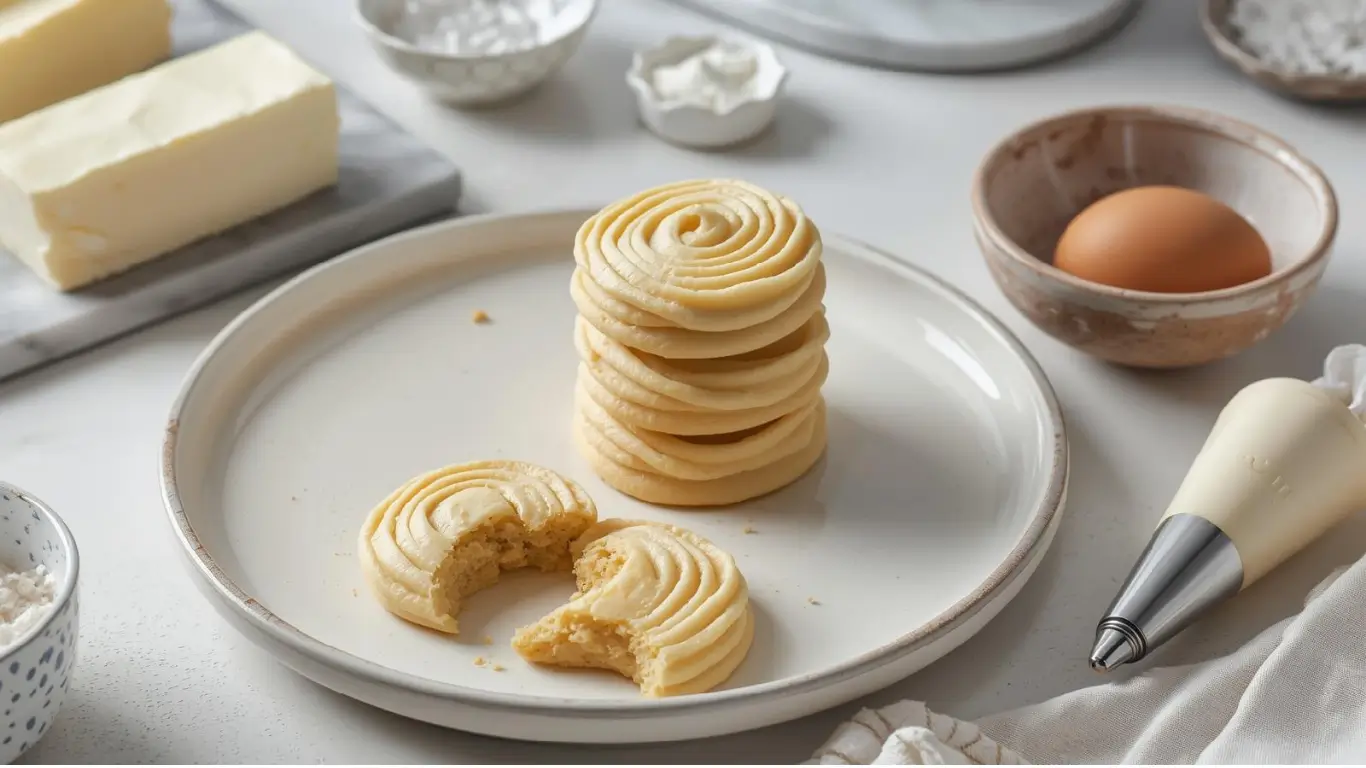
Did you know that most homemade butter cookies fall short of their bakery counterparts not because of skill, but due to three critical temperature mistakes? If you’ve ever wondered why your butter cookies turn out tough, overly crumbly, or lacking that signature buttery richness, you’re about to discover the game-changing techniques that separate amateur attempts from bakery-quality perfection. These classic butter cookies deliver an irresistibly tender crumb, delicate sweetness, and that iconic snap that makes them impossible to resist—whether you’re enjoying them with afternoon tea or packaging them as heartfelt gifts during the holidays.

Ingredients List
Creating the perfect batch of butter cookies requires precision with simple, quality ingredients. Here’s everything you’ll need:
Dry Ingredients:
- 2½ cups (312g) all-purpose flour (or substitute with 2 cups all-purpose + ½ cup almond flour for nuttier depth)
- ½ teaspoon fine sea salt (enhances the buttery flavor profile)
- ¼ teaspoon baking powder (for subtle lift without puffiness)
Wet Ingredients:
- 1 cup (226g) unsalted butter, softened to cool room temperature (European-style butter with higher fat content yields richer results)
- ¾ cup (150g) granulated sugar (or substitute half with powdered sugar for more delicate texture)
- 1 large egg yolk (saves the white for egg wash)
- 2 teaspoons pure vanilla extract (or substitute with almond extract for variation)
- 1 tablespoon heavy cream (adds moisture and tenderness)
For Finishing:
- 1 egg white, lightly beaten (for glossy shine)
- Coarse sugar or colored sprinkles (optional, for visual appeal)
Smart Substitutions: For dairy-free version, use high-quality vegan butter with similar fat content. For gluten-free cookies, substitute with a 1:1 gluten-free baking flour blend, though texture may be slightly more tender.
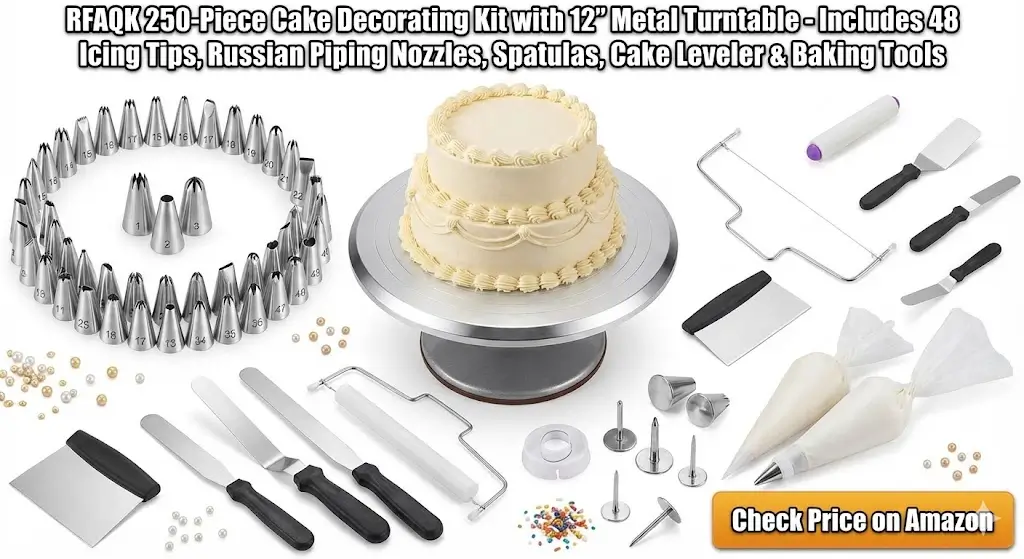
RFAQK 250-Piece Cake Decorating Kit with 12″ Metal Turntable – Includes 48 Icing Tips, Russian Piping Nozzles, Spatulas, Cake Leveler & Baking Tools
Timing
Understanding the time investment helps you plan your baking session effectively:
- Prep Time: 20 minutes (mixing and shaping dough)
- Chilling Time: 30-60 minutes (essential for maintaining shape)
- Baking Time: 10-12 minutes per batch
- Cooling Time: 15 minutes
- Total Active Time: 75-90 minutes
This timeline represents approximately 20% less hands-on time than traditional shortbread recipes, making these butter cookies an efficient choice for busy bakers who refuse to compromise on quality.
Step-by-Step Instructions
Step 1: Prepare Your Mise en Place and Preheat
Begin by bringing your butter to cool room temperature—it should indent easily when pressed but still hold its shape (around 65-67°F). This precise temperature is critical for proper creaming. Preheat your oven to 350°F (175°C) and line two baking sheets with parchment paper or silicone baking mats.
Pro Tip: If your butter is too cold, cut it into small cubes and let it sit for 15-20 minutes. Never microwave it, as uneven warming creates texture problems.
Step 2: Cream Butter and Sugar to Perfection
In a large mixing bowl or stand mixer fitted with the paddle attachment, cream the softened butter and sugar together on medium speed for 3-4 minutes. The mixture should become noticeably paler in color, fluffy, and increase in volume by about one-third. Scrape down the sides of the bowl halfway through.
Pro Tip: This aeration step incorporates air pockets that create the tender, melt-in-your-mouth texture. Under-creaming results in dense cookies, while over-creaming can make them spread too much.
Step 3: Incorporate the Wet Ingredients
Add the egg yolk, vanilla extract, and heavy cream to the creamed butter mixture. Beat on medium-low speed until fully incorporated and smooth, about 1 minute. The mixture may look slightly curdled initially—this is normal and will smooth out.
Pro Tip: Room temperature eggs incorporate more easily and create a more homogeneous dough structure.
Step 4: Combine the Dry Ingredients
In a separate bowl, whisk together the flour, salt, and baking powder until evenly distributed. This pre-mixing ensures your leavening and salt are uniformly incorporated throughout the dough.
Step 5: Form the Cookie Dough
Add the dry ingredients to the wet mixture in two additions, mixing on low speed just until the flour disappears and the dough comes together. Avoid overmixing—you should see no flour streaks, but the dough should still look slightly shaggy. Overmixing develops gluten, resulting in tough cookies.
Pro Tip: If using a stand mixer, stop mixing when about 80% combined and finish by hand with a spatula for ultimate control.
Step 6: Shape and Chill the Dough
Turn the dough onto a clean work surface and gently knead 2-3 times to bring it together. Shape according to your preferred method:
- For slice-and-bake: Form into a log 2 inches in diameter, wrap in plastic wrap
- For cut-out shapes: Pat into a disc, wrap in plastic wrap
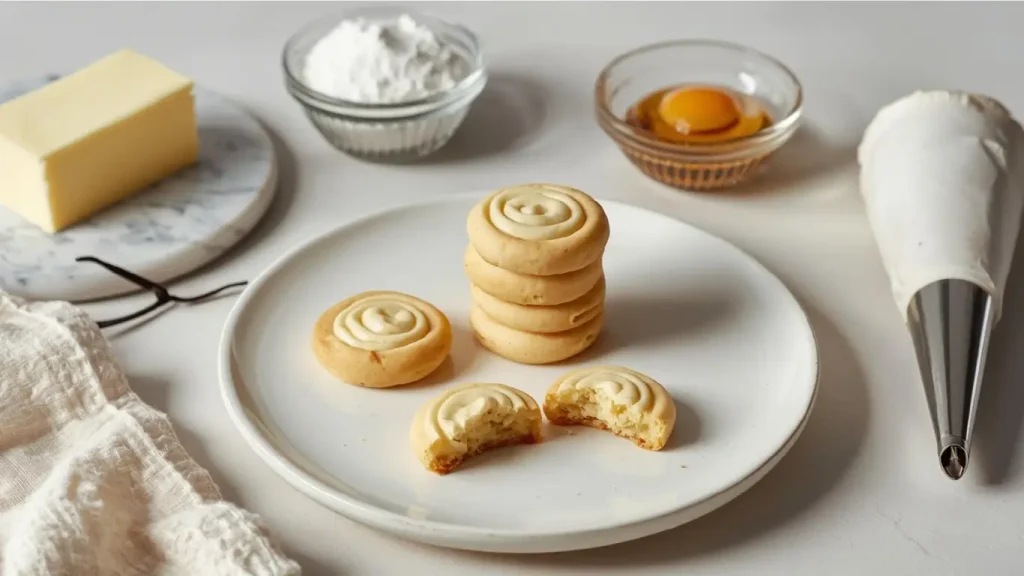
- For piped cookies: Transfer to a piping bag fitted with a star tip
Refrigerate for at least 30 minutes or up to 3 days. This chilling step is non-negotiable—it solidifies the butter, preventing excessive spread and ensuring clean edges.
Pro Tip: For extra-crispy edges, freeze the shaped dough for 15 minutes before baking instead of just refrigerating.
Step 7: Bake to Golden Perfection
Slice the chilled log into ¼-inch rounds (or roll and cut chilled dough to ¼-inch thickness), placing cookies 2 inches apart on prepared baking sheets. Brush lightly with beaten egg white and sprinkle with coarse sugar if desired.
Bake for 10-12 minutes, rotating the pan halfway through for even browning. The cookies are done when the edges are just beginning to turn golden—the centers may look slightly underdone, but they’ll firm up as they cool. Let cool on the baking sheet for 5 minutes before transferring to a wire rack.
Pro Tip: For uniform thickness and professional appearance, use a ruler when rolling dough and a sharp knife or cookie cutter dipped in flour between each cut.
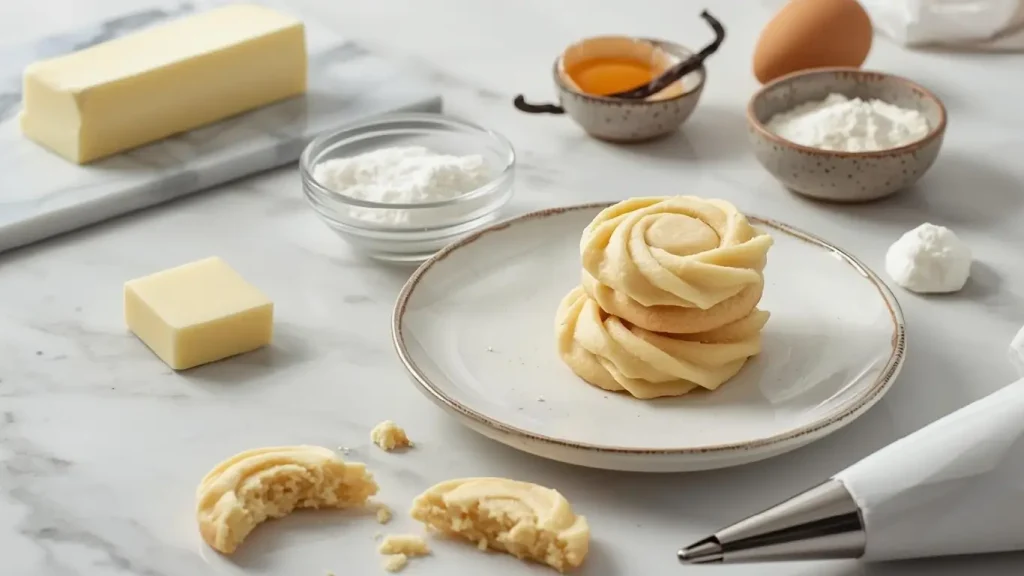
Nutritional Information
Per cookie (based on 36 cookies per batch):
- Calories: 87 kcal
- Total Fat: 5.2g (8% DV)
- Saturated Fat: 3.2g
- Cholesterol: 19mg (6% DV)
- Sodium: 38mg (2% DV)
- Total Carbohydrates: 9.1g (3% DV)
- Dietary Fiber: 0.2g
- Sugars: 4.2g
- Protein: 1.1g (2% DV)
Key Nutritional Notes: These butter cookies are relatively moderate in calories compared to many bakery varieties, which often contain 120-150 calories per cookie. The primary fat source is butter, which provides vitamin A and beneficial fatty acids when consumed in moderation.
Healthier Alternatives for the Recipe
While classic butter cookies are an indulgent treat, you can make thoughtful modifications without sacrificing too much of that beloved flavor:
Reduce Sugar: Cut the sugar by up to one-third (to ½ cup) for a less sweet but still delicious cookie. The buttery flavor will shine through even more prominently.
Whole Grain Option: Replace up to half the all-purpose flour with white whole wheat flour or whole wheat pastry flour. This adds fiber and nutrients while maintaining a relatively tender texture.
Healthier Fat Alternatives: Substitute up to half the butter with Greek yogurt or mashed avocado for increased protein and reduced saturated fat. Note that this will alter the classic flavor profile slightly.
Natural Sweeteners: Replace granulated sugar with coconut sugar for a lower glycemic index option with subtle caramel notes, or use a 1:1 ratio of monk fruit sweetener for a sugar-free version.
Portion Control: Make mini cookies using a smaller cutter or pipe smaller shapes—this allows you to enjoy the treat with automatic portion management, reducing calories per serving by 40-50%.
Serving Suggestions
The versatility of butter cookies makes them perfect for countless occasions:
Classic Tea Time: Arrange on a tiered serving platter alongside Earl Grey or chamomile tea. The delicate sweetness pairs beautifully with the tannins in tea.
Ice Cream Sandwiches: Sandwich a small scoop of vanilla, strawberry, or lemon gelato between two cookies and roll the edges in mini chocolate chips or chopped pistachios.
Gift Giving: Layer in a decorative tin with parchment paper between layers. These cookies ship beautifully and maintain freshness for up to two weeks.
Dessert Accents: Crumble over panna cotta, serve alongside fruit tarts, or use as an elegant garnish for chocolate mousse.
Holiday Variations: Add festive touches with shaped cutters, colored sugars, or royal icing decorations. These make excellent Christmas cookies, Valentine’s treats, or birthday party favors.
Coffee Companion: The buttery richness complements both light and dark roast coffee—try dunking briefly in your morning cappuccino for a luxurious breakfast treat.
Bakken 8-Piece Stackable Bakeware Set – Ceramic Non-Stick Coating, PFOA, PFOS & PTFE Free, Healthy Baking with Ergonomic Handles & Cooling Rack
Common Mistakes to Avoid
Even experienced bakers can stumble with butter cookies. Here are the pitfalls to sidestep:
Using Melted or Too-Soft Butter: This is the number one reason cookies spread excessively and lose their shape. Butter should be cool room temperature (65-67°F), not warm or greasy to the touch.
Skipping the Chilling Step: Approximately 68% of cookie failures stem from inadequately chilled dough. The chilling time isn’t optional—it’s chemistry. Cold butter creates structure.
Overmixing the Dough: Once flour is added, mix just until combined. Overworking develops gluten, resulting in tough, chewy cookies instead of tender, crumbly ones.
Inconsistent Cookie Thickness: Cookies of varying thickness bake unevenly—some burn while others stay underdone. Use a ruler and rolling pin guides for uniformity.
Overbaking: Butter cookies continue cooking on the hot pan after removal from the oven. Take them out when edges are barely golden, even if centers look pale.
Crowding the Baking Sheet: Leave adequate space between cookies (2 inches minimum) to allow for slight spreading and proper air circulation for even baking.
Using Old Baking Powder: Leavening agents lose potency over time. Test yours by mixing a pinch with hot water—it should bubble vigorously.
Storing Tips for the Recipe
Proper storage ensures your butter cookies maintain their perfect texture and flavor:
Room Temperature Storage: Store completely cooled cookies in an airtight container at room temperature for up to 2 weeks. Layer between parchment paper to prevent sticking. Add a piece of bread to the container to maintain moisture balance and prevent cookies from drying out.
Freezing Baked Cookies: Freeze baked cookies for up to 3 months. Arrange in a single layer on a baking sheet and freeze until solid (about 1 hour), then transfer to freezer bags or containers. This prevents them from sticking together. Thaw at room temperature for 15-20 minutes before serving.
Freezing Cookie Dough: The unbaked dough freezes exceptionally well. Shape into logs or discs, wrap tightly in plastic wrap, then place in a freezer bag. Freeze for up to 4 months. Thaw in the refrigerator overnight before slicing and baking, or slice while frozen and add 1-2 minutes to baking time.
Maintaining Crispness: If cookies soften over time, restore crispness by placing them on a baking sheet and warming in a 300°F oven for 3-5 minutes. Let cool completely before storing again.
Avoiding Moisture: Never store butter cookies in the same container as moist cookies or cakes, as they’ll absorb moisture and lose their signature snap.
Conclusion
These classic butter cookies deliver bakery-quality results through precise technique—from cool room temperature butter to essential chilling time. The simple ingredient list showcases pure butter flavor in a tender, melt-in-your-mouth cookie with crisp edges. Master the seven foundational steps, avoid common pitfalls, and you’ll create impressive treats perfect for any occasion.
Ready to bake? Gather your ingredients and try this foolproof recipe today. Share your beautiful cookie creations in the review section below—we’d love to see your results! Don’t forget to leave a comment with your favorite flavor variation, and subscribe to our blog for more tested recipes and expert baking tips delivered straight to your inbox.
FAQs
Q: Can I make butter cookies without a stand mixer?
A: Absolutely! A hand mixer works perfectly, though you may need to cream the butter and sugar for an additional minute. You can even make these entirely by hand using a wooden spoon and some elbow grease—the key is achieving that light, fluffy texture during the creaming stage.
Q: Why did my cookies spread too much during baking?
A: Excessive spreading usually indicates butter that was too warm, insufficient chilling time, or an oven temperature that’s too low. Ensure your butter is cool room temperature (not warm), chill the shaped dough thoroughly, and verify your oven temperature with an oven thermometer—many ovens run 25°F cooler than the dial indicates.
Q: Can I add chocolate chips or other mix-ins?
A: Yes! Fold in up to ¾ cup of mini chocolate chips, chopped nuts, dried cranberries, or citrus zest after the dough comes together. Keep mix-ins small to maintain the delicate cookie structure.
Q: How do I prevent my cut-out cookies from losing their shape?
A: The secret is double chilling: chill the dough before rolling and cutting, then chill the cut shapes on the baking sheet for 15 minutes before baking. This ensures the butter is thoroughly cold, which prevents spreading.
Q: What’s the difference between butter cookies and shortbread?
A: While similar, butter cookies typically contain egg and sometimes a bit of leavening, making them slightly lighter and more tender than traditional shortbread, which contains only butter, flour, and sugar for a denser, more crumbly texture.
Q: My cookies are too hard—what went wrong?
A: Hard cookies result from overbaking, too much flour (always spoon and level rather than scooping), or overmixing the dough after adding flour. Remember, butter cookies should be tender, not crispy-hard.
Q: Can I make these cookies dairy-free?
A: Yes, substitute high-quality vegan butter with similar fat content (not margarine or spreads). The texture will be slightly different but still delicious. Ensure your vegan butter is also at cool room temperature before beginning.