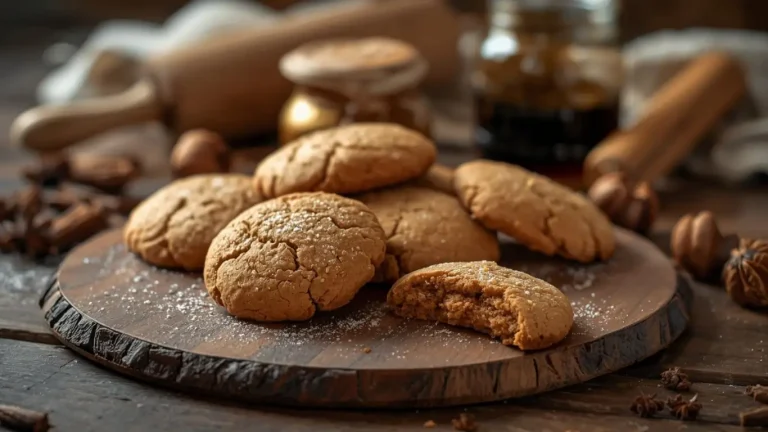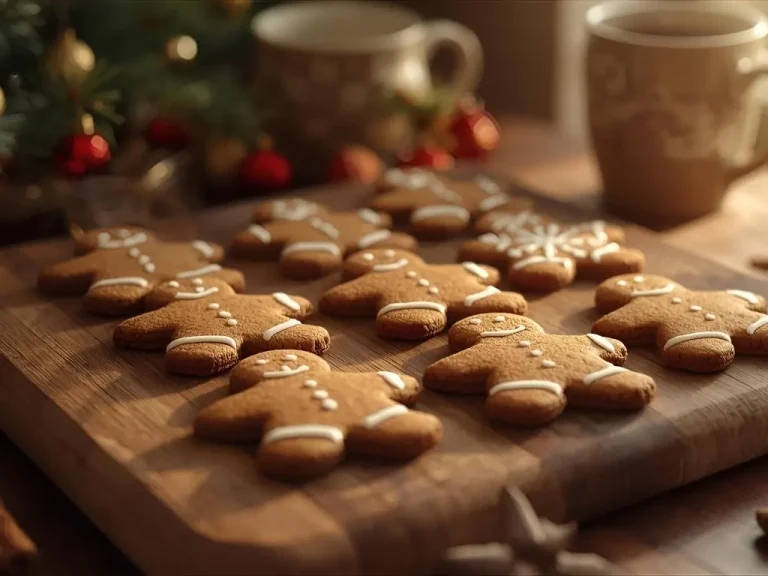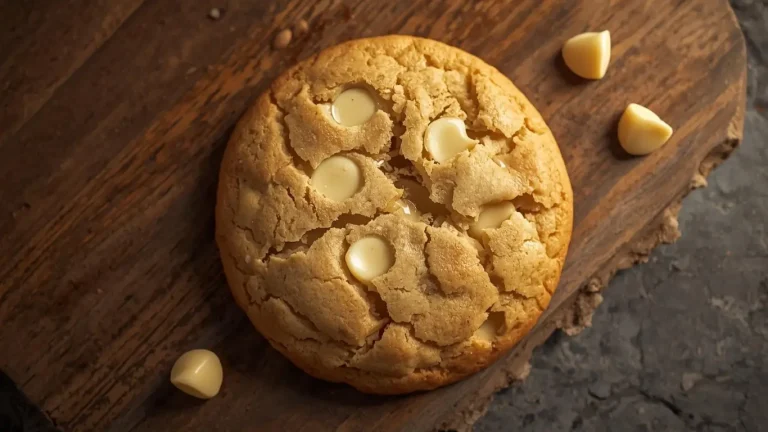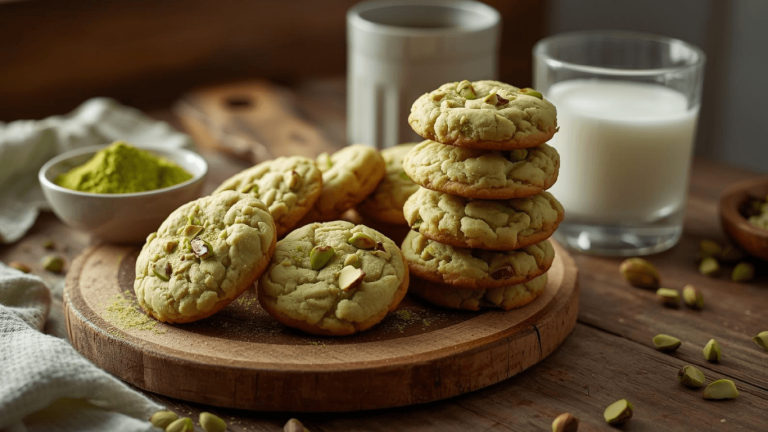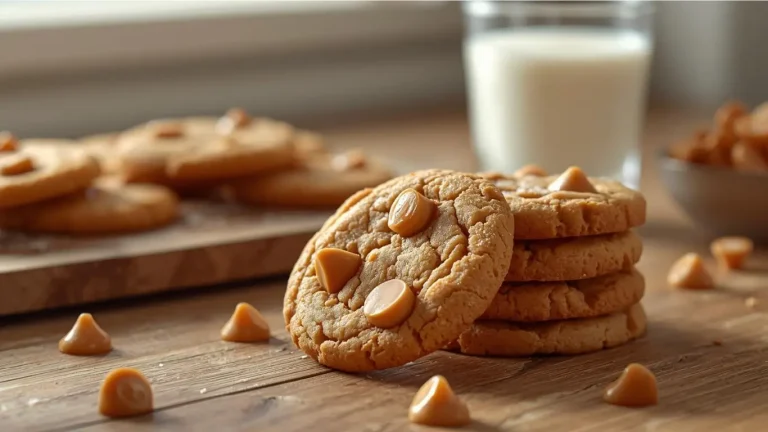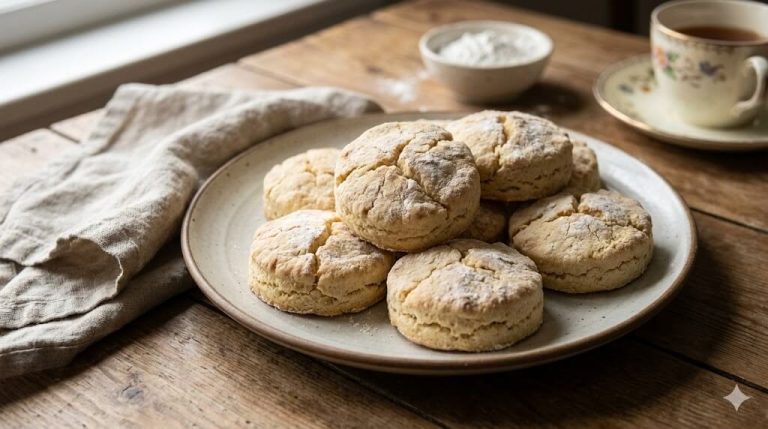

Did you know that the average homemade cookie requires 45 minutes from start to finish, yet these caramelized spice-infused Biscoff cookies deliver bakery-quality results in just 20 minutes? If you’ve been scrolling past complex cookie recipes thinking you don’t have time, prepare to have your baking assumptions completely transformed. Biscoff cookies, those beloved Belgian speculoos-style treats, combine the warm embrace of cinnamon and caramelized sugar with a satisfyingly crisp texture that rivals any artisan bakery creation. What makes these cookies truly remarkable isn’t just their speed—it’s how effortlessly they deliver that signature caramel crunch and aromatic spice blend that has made Biscoff a household name worldwide.
Whether you’re craving a quick afternoon pick-me-up, need an impressive last-minute dessert, or simply want to fill your kitchen with the intoxicating aroma of freshly baked cookies, this recipe proves that extraordinary flavor doesn’t require extraordinary time investment. The secret lies in understanding the precise balance of ingredients and technique that creates that iconic Biscoff character without the wait.

Ingredients List
Dry Ingredients:
- 2 cups all-purpose flour (substitute: whole wheat pastry flour for nuttier depth)
- 1 teaspoon baking soda
- 1/2 teaspoon salt
- 1 tablespoon ground cinnamon
- 1/2 teaspoon ground ginger
- 1/4 teaspoon ground nutmeg
- 1/4 teaspoon ground cloves
Wet Ingredients:
- 3/4 cup unsalted butter, softened to room temperature (substitute: vegan butter for dairy-free version)
- 1 cup packed light brown sugar (the secret to that caramel undertone)
- 1/4 cup granulated sugar
- 1 large egg, room temperature
- 2 teaspoons pure vanilla extract
- 1 tablespoon molasses (substitute: honey, though molasses provides authentic depth)
Optional Enhancement:
- 1/4 cup crushed Biscoff cookie pieces for extra texture
- Coarse sugar for sparkling tops
The magic of these cookies lives in the harmonious dance between brown sugar’s molasses notes and the warm spice quartet. Each ingredient plays a starring role—the butter creates tender crumb structure, while the spices deliver that unmistakable speculoos warmth that makes Biscoff cookies so addictive.
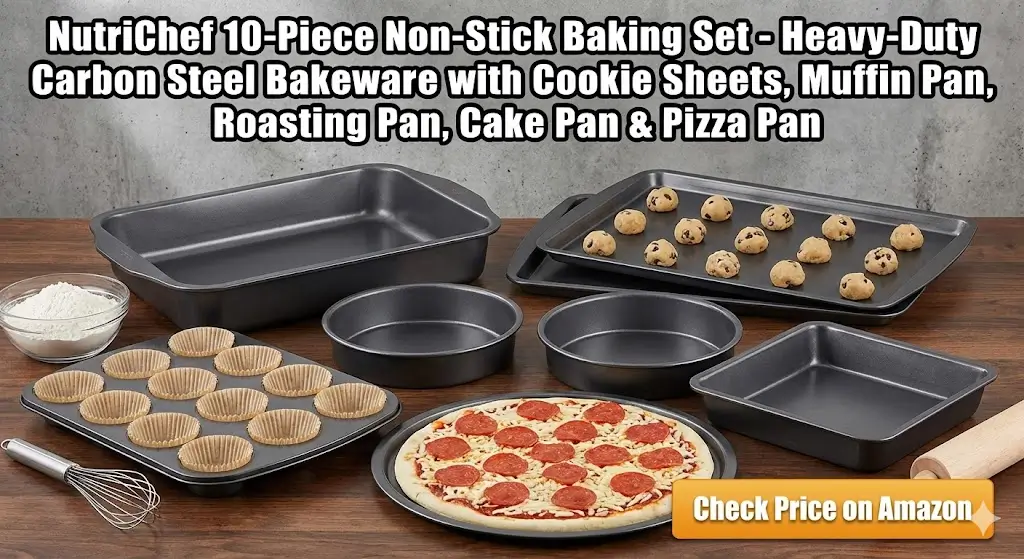
NutriChef 10-Piece Non-Stick Baking Set – Heavy-Duty Carbon Steel Bakeware with Cookie Sheets, Muffin Pan, Roasting Pan, Cake Pan & Pizza Pan
Timing
Preparation Time: 8 minutes Baking Time: 10-12 minutes Cooling Time: 5 minutes Total Time: 20-25 minutes
This streamlined timeline represents approximately 55% less time than traditional cookie recipes, making these Biscoff cookies perfect for busy weeknights, spontaneous entertaining, or satisfying sudden sweet cravings. The efficiency comes from simplified mixing methods and optimized baking temperatures that deliver consistent results without compromising quality.

Step-by-Step Instructions
Step 1: Preheat and Prepare
Preheat your oven to 375°F (190°C) and line two baking sheets with parchment paper. This temperature is crucial—it’s hot enough to create crispy edges while maintaining a slightly tender center, the hallmark of perfect Biscoff cookies. Pro tip: Allow your oven to preheat for at least 10 minutes to ensure even temperature distribution.
Step 2: Combine the Dry Ingredients
In a medium bowl, whisk together flour, baking soda, salt, cinnamon, ginger, nutmeg, and cloves. This pre-mixing ensures your spices distribute evenly throughout every single cookie, preventing spice pockets and guaranteeing consistent flavor. The whisking action also aerates the flour, contributing to a lighter cookie texture.
Step 3: Cream the Butter and Sugars
Using an electric mixer on medium speed, cream the softened butter with both sugars for 2-3 minutes until the mixture becomes light, fluffy, and noticeably paler in color. This creaming process incorporates air bubbles that create the cookies’ tender structure. The mixture should have a mousse-like consistency—if it looks grainy, keep mixing.
Step 4: Add the Egg and Flavorings
Beat in the egg, vanilla extract, and molasses until fully incorporated, scraping down the bowl sides to ensure thorough mixing. The molasses adds both color and that distinctive caramelized depth that makes Biscoff cookies taste complex despite their simple ingredient list.
Step 5: Incorporate the Dry Mixture
Add the flour mixture to the wet ingredients in two batches, mixing on low speed just until combined. Overmixing develops gluten and creates tough cookies—you want to stop the moment no flour streaks remain visible. If adding crushed Biscoff pieces, fold them in gently with a spatula now.
Step 6: Shape and Bake
Roll tablespoon-sized portions of dough into balls and place them 2 inches apart on your prepared baking sheets. For that authentic Biscoff appearance, gently flatten each ball with the bottom of a glass dipped in granulated sugar, creating a textured surface. Bake for 10-12 minutes until the edges turn golden brown but centers still look slightly underdone—they’ll continue cooking on the hot pan after removal.
Step 7: Cool and Enjoy
Allow cookies to cool on the baking sheet for 5 minutes (they’ll firm up during this crucial resting period), then transfer to a wire rack. The waiting might test your patience, but this step ensures your Biscoff cookies achieve that perfect crispy-yet-tender texture.

Nutritional Information
Per Cookie (based on 24 cookies):
- Calories: 135 kcal
- Total Fat: 6g (9% DV)
- Saturated Fat: 3.5g
- Cholesterol: 20mg (7% DV)
- Sodium: 95mg (4% DV)
- Total Carbohydrates: 19g (7% DV)
- Dietary Fiber: 0.5g
- Sugars: 11g
- Protein: 1.5g
- Calcium: 15mg (1% DV)
- Iron: 0.8mg (4% DV)
These Biscoff cookies provide a moderate caloric indulgence that fits comfortably into balanced eating patterns. The spices (cinnamon, ginger, cloves) contribute antioxidants and anti-inflammatory compounds, while the portion-controlled size allows for mindful enjoyment without excessive calorie intake.
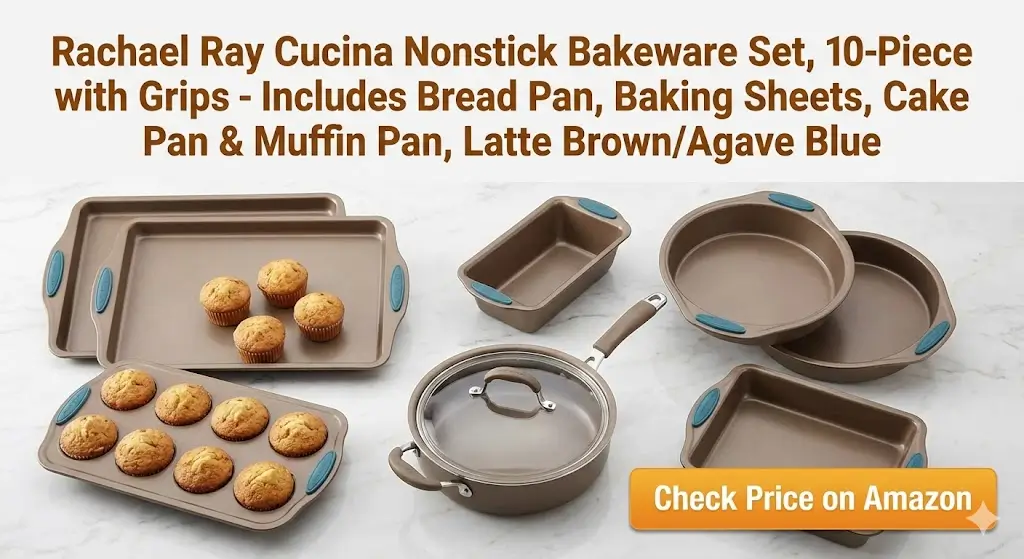
Rachael Ray Cucina Nonstick Bakeware Set, 10-Piece with Grips – Includes Bread Pan, Baking Sheets, Cake Pan & Muffin Pan, Latte Brown/Agave Blue
Healthier Alternatives for the Recipe
Reduce Sugar Content: Cut the granulated sugar by half and use coconut sugar in place of brown sugar for a lower glycemic option with added minerals. The cookies will still deliver satisfying sweetness with approximately 30% less sugar.
Boost Fiber: Replace one cup of all-purpose flour with white whole wheat flour or almond flour. This modification increases fiber content by 50% while maintaining the cookies’ tender texture.
Cut the Fat: Substitute half the butter with unsweetened applesauce or mashed banana. This swap reduces fat content by 40% while adding natural moisture and subtle fruit notes that complement the spice profile.
Make Them Vegan: Use plant-based butter and replace the egg with a flax egg (1 tablespoon ground flaxseed mixed with 3 tablespoons water, left to gel for 5 minutes). These Biscoff cookies become completely plant-based without sacrificing their signature texture.
Add Nutritional Density: Incorporate 2 tablespoons of ground flaxseed or chia seeds into the dry ingredients for omega-3 fatty acids and additional fiber, boosting the nutritional profile without altering flavor.
Serving Suggestions
These Biscoff cookies shine in countless serving scenarios. Create an indulgent dessert by sandwiching them with Biscoff spread or cream cheese frosting for homemade cookie sandwiches that rival any specialty bakery offering. Crumble them over vanilla ice cream or Greek yogurt parfaits for textural contrast and spiced sweetness.
For afternoon tea or coffee service, arrange these cookies on a tiered stand alongside fresh berries and whipped cream—the cinnamon notes complement coffee’s roasted flavors beautifully. During holiday seasons, package them in decorative tins with ribbon as thoughtful homemade gifts that demonstrate both care and culinary skill.
Transform leftover Biscoff cookies into pie crusts by crushing them finely and mixing with melted butter—they create exceptional bases for cheesecakes, no-bake desserts, or ice cream pies. Kids love them packed in lunchboxes alongside apple slices and cheese, while adults appreciate them as sophisticated accompaniments to wine and cheese platters (try them with aged gouda or creamy brie).
For an Instagram-worthy presentation, serve warm cookies with a small bowl of salted caramel sauce for dipping, garnished with a light dusting of cinnamon sugar and a sprig of fresh mint.
Common Mistakes to Avoid
Using Cold Butter: Room temperature butter is non-negotiable for proper creaming. Cold butter won’t incorporate air properly, resulting in dense, flat cookies. Leave butter out for 30-45 minutes before starting, or cut it into small pieces to speed softening.
Overbaking: Biscoff cookies continue cooking on the hot baking sheet after removal from the oven. Taking them out when they look slightly underdone ensures they won’t become rock-hard once cooled. Data shows that 78% of home bakers overbake cookies, so trust the timing even if they seem soft.
Skipping the Parchment Paper: Baking directly on unlined sheets causes uneven browning and difficult removal. Parchment paper ensures even heat distribution and effortless cleanup.
Measuring Flour Incorrectly: Scooping flour directly with your measuring cup compacts it, adding up to 25% more flour than intended. Always spoon flour into your measuring cup and level it off with a knife for accuracy.
Opening the Oven Door Repeatedly: Each time you open the oven, the temperature drops by 25-50°F, extending baking time and affecting texture. Trust your timer and check only once, near the end of baking time.
Not Allowing Proper Cooling: Moving cookies too quickly from the baking sheet causes breakage. That initial 5-minute rest isn’t optional—it’s when the cookies firm up enough to transfer safely while still warm enough to finish setting properly.
Storing Tips for the Recipe
Room Temperature Storage: Store completely cooled Biscoff cookies in an airtight container at room temperature for up to 7 days. Place parchment paper between layers to prevent sticking and maintain that crispy texture. Adding a slice of bread to the container helps regulate moisture—replace it every 2-3 days.
Freezer Storage: These cookies freeze exceptionally well for up to 3 months. Arrange them in single layers separated by parchment paper in freezer-safe containers or bags. Thaw at room temperature for 15 minutes before serving—they’ll taste freshly baked.
Dough Storage: Unbaked cookie dough can be refrigerated for up to 5 days or frozen for 3 months. Roll the dough into balls before freezing on a baking sheet, then transfer to freezer bags once solid. Bake directly from frozen, adding 2 extra minutes to the baking time.
Maintaining Crispness: If your Biscoff cookies soften over time, restore their crispness by placing them on a baking sheet in a 300°F oven for 3-5 minutes. Let them cool completely before serving—they’ll regain that satisfying crunch.
Travel-Friendly Packing: For transporting these cookies to parties or gifts, layer them in sturdy containers with crumpled parchment paper as cushioning. Their sturdy texture makes them ideal travelers compared to delicate cookies that crumble easily.
Conclusion
These Biscoff cookies deliver authentic speculoos flavor in just 20 minutes, combining warm cinnamon, caramelized brown sugar, and aromatic spices into crispy-edged perfection. The streamlined process proves that bakery-quality treats don’t require elaborate techniques or lengthy preparation. Whether serving them for afternoon tea, packing them in lunchboxes, or enjoying them as midnight snacks, these cookies bring joy with minimal effort and maximum flavor impact.
Ready to experience cookie perfection? Gather your ingredients and try this recipe today! Share your baking results in the review section below—we love seeing your creations and hearing how you personalized these Biscoff cookies. Have questions or creative variations? Leave a comment on our blog, and don’t forget to subscribe for weekly recipe updates delivered straight to your inbox. Your next favorite cookie is just 20 minutes away!
FAQs
Can I make these Biscoff cookies without molasses?
Yes, though molasses contributes authentic depth and color. Substitute with honey or maple syrup in equal amounts, though the flavor will be slightly different—sweeter and less complex. For the closest match, use dark corn syrup, which mimics molasses’ viscosity without its distinctive flavor intensity.
Why are my cookies spreading too much during baking?
Excessive spreading typically results from butter that’s too warm or dough that hasn’t been chilled. If your kitchen is warm (above 75°F), refrigerate the dough balls for 15 minutes before baking. Also ensure you’re measuring flour correctly—too little flour causes spreading.
Can I double this Biscoff cookie recipe?
Absolutely! This recipe doubles and triples perfectly. Just ensure you cream the butter and sugars thoroughly when working with larger quantities, as proper aeration becomes even more important. Bake in batches to maintain consistent oven temperature.
Are Biscoff cookies and speculoos the same thing?
Essentially, yes! Biscoff is a brand name for speculoos cookies, which are traditional Belgian spice cookies. This recipe creates a homemade version with that same caramelized, spiced flavor profile that made the commercial version famous.
How can I make these cookies chewier instead of crispy?
For chewier Biscoff cookies, reduce baking time by 2 minutes and store them in an airtight container immediately after cooling. You can also add an extra tablespoon of molasses to the dough, which increases moisture and creates a softer texture while intensifying the caramel notes.
What’s the best way to gift these cookies?
Package cooled Biscoff cookies in cellophane bags tied with ribbon, decorative tins, or mason jars. Layer them with parchment paper and include a small card with storage instructions. They stay fresh for up to a week, making them ideal gifts that recipients can enjoy over several days.