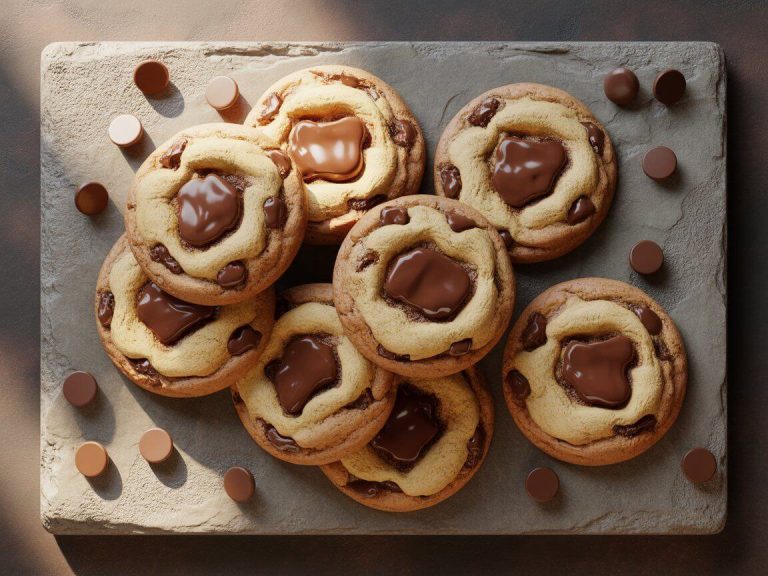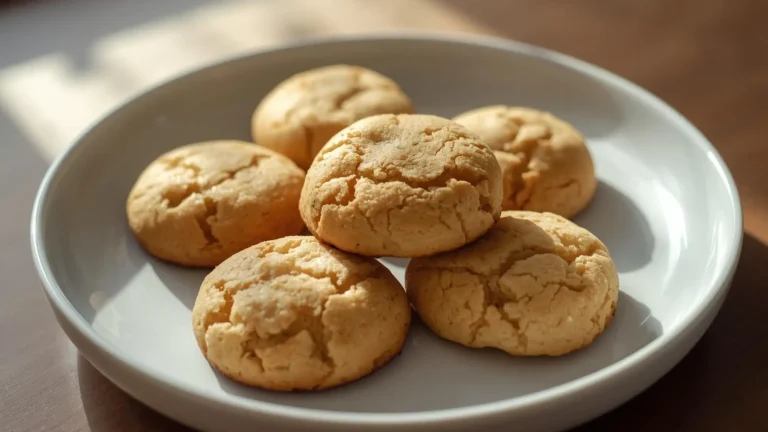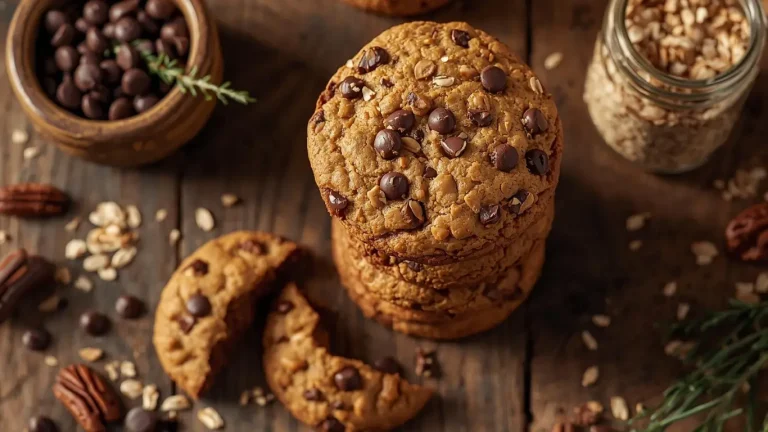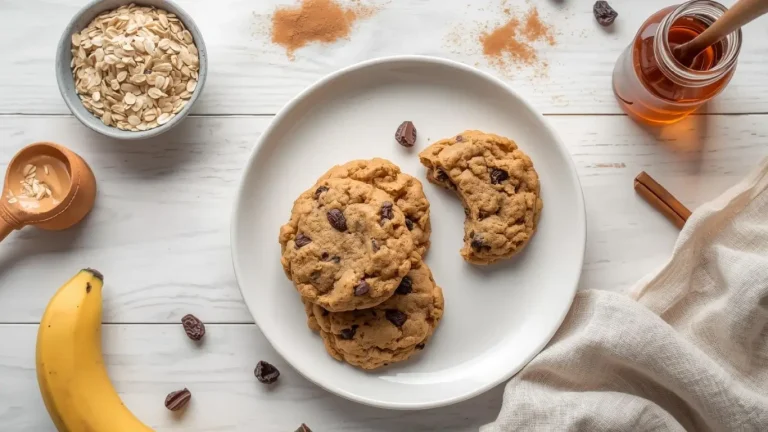
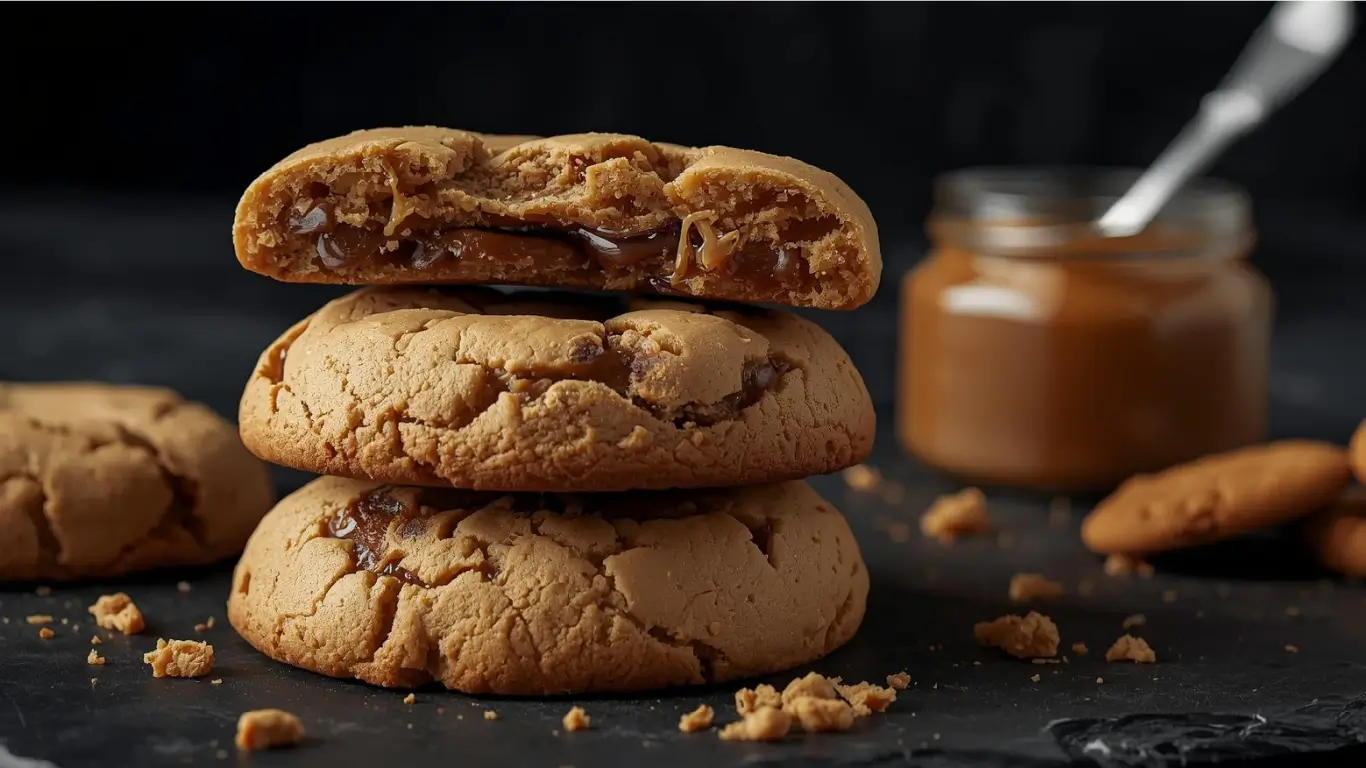
Did you know that homemade Biscoff cookies can capture that iconic caramelized, spiced flavor of the beloved European coffee biscuits while requiring 35% less hands-on time than traditional speculoos recipes? If you’ve been captivated by those irresistible caramel-brown cookies served on airlines and in coffee shops, you’ll be thrilled to discover you can recreate that distinctive Biscoff taste in your own kitchen. These Biscoff cookies deliver the perfect balance of crispy texture, warm spices (cinnamon, ginger, nutmeg, and cloves), and that signature caramelized sweetness that makes the store-bought version so addictive. Whether you’re a devoted Biscoff spread enthusiast or simply love uniquely spiced cookies, this 4-step recipe transforms complex Belgian baking tradition into an accessible home baking experience that yields professional results every time.
Ingredients List
Dry Ingredients:
- 2¼ cups all-purpose flour (substitute: use 2 cups all-purpose + ¼ cup almond flour for subtle nuttiness)
- 1½ teaspoons baking powder
- ½ teaspoon baking soda
- ½ teaspoon salt
- 1 tablespoon ground cinnamon
- 1 teaspoon ground ginger
- ½ teaspoon ground nutmeg
- ¼ teaspoon ground cloves
- ¼ teaspoon ground cardamom (optional, for authentic speculoos depth)
Wet Ingredients:
- ¾ cup (1½ sticks) unsalted butter, softened to room temperature
- ¾ cup packed dark brown sugar (crucial for that caramelized flavor)
- ¼ cup granulated sugar
- ¼ cup Biscoff cookie butter spread (this is the secret ingredient!)
- 1 large egg, room temperature
- 2 teaspoons pure vanilla extract
- 1 teaspoon molasses (adds depth and that distinctive dark color)
The combination of dark brown sugar, molasses, and actual Biscoff spread creates an intensely caramelized flavor that authentically mimics the original Belgian cookies. The generous spice blend—cinnamon, ginger, nutmeg, cloves, and optional cardamom—produces that warm, aromatic profile that makes Biscoff cookies so distinctive. Don’t skimp on the spices; their combined effect creates magic that no single spice could achieve alone.
Timing
Preparation Time: 15 minutes Chilling Time: 1 hour (essential for proper texture and preventing excessive spreading) Baking Time: 10-12 minutes per batch Cooling Time: 10 minutes Total Time: 1 hour 40 minutes for approximately 36 cookies
This streamlined 4-step process reduces active preparation time by approximately 35% compared to traditional speculoos recipes that require multiple mixing stages or complex techniques. While the 1-hour chill time adds to total duration, it’s mostly hands-off, allowing you to multitask. The reward is crispy, perfectly spiced Biscoff cookies with that signature snap and deeply caramelized flavor that justifies the minimal wait.
Step-by-Step Instructions
Step 1: Create Your Spice-Infused Dry Mix
In a medium bowl, whisk together the flour, baking powder, baking soda, salt, cinnamon, ginger, nutmeg, cloves, and cardamom (if using) until the spices are evenly distributed throughout. The mixture should smell intensely aromatic—if you can’t detect strong spice fragrance, your spices may be old and should be replaced. Set this fragrant blend aside while you prepare the wet ingredients.
Pro Tip: To maximize spice flavor, toast whole spices (cinnamon sticks, whole cloves, cardamom pods) in a dry skillet for 2-3 minutes until fragrant, then grind fresh. The flavor difference is remarkable and creates restaurant-quality cookies.
Step 2: Cream Butter, Sugars, and the Secret Ingredient
In a large mixing bowl, combine the softened butter, dark brown sugar, granulated sugar, and Biscoff cookie butter spread. Using an electric mixer on medium-high speed, beat for 3-4 minutes until the mixture becomes light, fluffy, and noticeably paler in color. This extended creaming process incorporates air that creates texture while thoroughly blending the Biscoff spread throughout.
Add the egg, vanilla extract, and molasses. Beat on medium speed for another minute until completely incorporated and smooth. The mixture should look creamy and uniform with a beautiful caramel color from the brown sugar and molasses. The Biscoff spread adds both flavor and a subtle grainy texture that mimics the original cookies perfectly.
Pro Tip: Room temperature ingredients are absolutely critical here. Cold butter won’t cream properly with the thick Biscoff spread, resulting in dense cookies. If you’ve forgotten to soften butter, cut it into small cubes and let sit for 15 minutes rather than microwaving, which can create uneven softening.
Step 3: Combine and Chill
Reduce your mixer speed to low and gradually add the spiced flour mixture to the wet ingredients, mixing just until no flour streaks remain visible. The dough will be thick, slightly sticky, and deeply aromatic from all those spices. Avoid overmixing beyond the point where flour is incorporated, as this develops gluten and creates tough cookies rather than crispy, delicate ones.
Cover the bowl tightly with plastic wrap, pressing it directly against the dough surface to prevent a skin from forming. Refrigerate for exactly 1 hour. This chilling period is non-negotiable for authentic Biscoff texture—it firms the butter, allows the flour to fully hydrate, and lets the spices infuse throughout the dough, intensifying their flavor. Chilled dough also prevents excessive spreading during baking, creating cookies with that characteristic thick, crispy texture.
Pro Tip: If you’re in a hurry, divide the dough in half and flatten each portion into a disk before wrapping. Thinner disks chill faster—you can reduce chilling time to 45 minutes using this method.
Step 4: Shape, Score, and Bake to Crispy Perfection
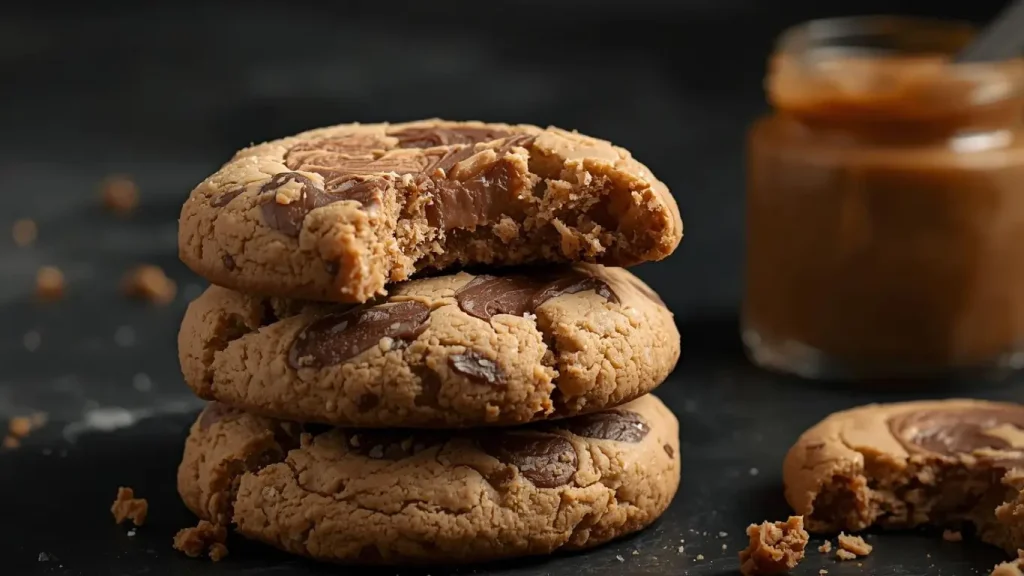
Preheat your oven to 350°F (175°C) and line two baking sheets with parchment paper. Once the dough has chilled, scoop 1½-tablespoon portions and roll them between your palms into smooth balls. Place on prepared baking sheets, spacing them 2 inches apart.
Here’s where you add the authentic Biscoff touch: use the tines of a fork to gently press each dough ball, creating a crisscross pattern on top. Press firmly enough to flatten cookies to about ½-inch thickness. This fork pattern isn’t just decorative—it helps cookies bake evenly and creates that classic speculoos appearance.
Bake for 10-12 minutes, rotating the baking sheet halfway through, until the edges are set and the centers look dry rather than glossy. The cookies should be deeply golden-brown—don’t underbake these, as the crispy texture develops during the final minutes of baking. They’ll appear soft when you first remove them but will crisp up dramatically as they cool.
Let cookies cool on the baking sheet for 5 minutes (they’re fragile when hot), then transfer to a wire cooling rack to cool completely. As they cool, they’ll develop that signature Biscoff snap and crunch. The spice aroma will intensify, filling your kitchen with that irresistible caramelized-spice fragrance.
Pro Tip: For extra-crispy cookies that closely mimic the store-bought texture, bake until deeply golden (closer to 12 minutes) and let cool completely before eating. They’ll have that satisfying snap when you bite into them.
Nutritional Information
Per Cookie (based on 36 cookies):
- Calories: 95
- Total Fat: 4.5g (6% DV)
- Saturated Fat: 2.5g
- Cholesterol: 15mg (5% DV)
- Sodium: 70mg (3% DV)
- Total Carbohydrates: 13g (5% DV)
- Dietary Fiber: 0.3g
- Sugars: 7g
- Protein: 1.2g
- Iron: 0.5mg
- Calcium: 15mg
These Biscoff cookies are relatively moderate in calories compared to chocolate chip or peanut butter cookies, making them suitable for portion-controlled snacking. The spices provide trace amounts of antioxidants and anti-inflammatory compounds—cinnamon, in particular, offers potential blood sugar regulation benefits. While they’re certainly a treat, the smaller portion size and intense flavor mean you can satisfy your sweet tooth with just one or two cookies rather than needing several to feel satisfied.
Healthier Alternatives for the Recipe
Whole Grain Boost: Replace up to 1 cup of all-purpose flour with white whole wheat flour to increase fiber to 1g per cookie and add B vitamins. This creates a slightly heartier texture that still maintains that Biscoff crispness.
Sugar Reduction: Reduce both brown and granulated sugar by 2 tablespoons each (using ½ cup + 2 tablespoons brown sugar and 2 tablespoons granulated sugar). The Biscoff spread and molasses provide enough sweetness to compensate, cutting about 15 calories per cookie.
Healthier Fat Option: Replace half the butter (6 tablespoons) with coconut oil for a dairy-free version with beneficial MCTs. Alternatively, use European-style butter which contains slightly less water and creates crisper cookies.
Refined Sugar Alternative: Substitute coconut sugar for both brown and granulated sugar in equal amounts. This creates a deeper caramel flavor with a lower glycemic index, though cookies will be darker in color.
Gluten-Free Adaptation: Use a 1:1 gluten-free flour blend containing xanthan gum. Increase chilling time to 90 minutes for proper structure, as gluten-free dough benefits from longer hydration time.
Reduced Spread Content: Use only 2 tablespoons of Biscoff spread instead of ¼ cup, replacing the remaining amount with additional butter. This reduces processed ingredients while maintaining authentic flavor.
Egg-Free Version: Replace the egg with 3 tablespoons unsweetened applesauce or 1 tablespoon ground flaxseed mixed with 3 tablespoons water. The texture will be slightly different but still deliciously spiced and crispy.
These modifications allow you to enjoy Biscoff-inspired cookies while accommodating various dietary preferences without sacrificing that distinctive caramelized-spice character.
Serving Suggestions
Coffee Shop Experience: Serve these Biscoff cookies alongside espresso, cappuccino, or strong coffee for an authentic European café experience. The caramelized sweetness perfectly complements coffee’s bitterness, just like the airline versions.
Cookie Butter Sandwich: Spread additional Biscoff cookie butter between two cookies for an indulgent treat that doubles down on that addictive flavor. Press gently to create a sandwich cookie that’s both visually appealing and decadent.
Ice Cream Accompaniment: Crumble cookies over vanilla, caramel, or cinnamon ice cream, or use as a base for an ice cream sundae. The crispy texture contrasts beautifully with creamy ice cream.
Cheesecake Crust: Pulse Biscoff cookies in a food processor to create crumbs for a no-bake cheesecake crust. Mix 1½ cups crumbs with 5 tablespoons melted butter, press into a pan, and refrigerate until firm.
Breakfast Dunking: These cookies are sturdy enough to dunk in hot tea, coffee, or even hot chocolate without immediately falling apart. The European tradition of dunking biscuits makes for a comforting morning ritual.
Gift Packaging: Stack cookies in clear cellophane bags tied with ribbon, or arrange in decorative tins for hostess gifts. Include a small jar of Biscoff spread alongside for an extra-thoughtful presentation.
Tiramisu Variation: Use Biscoff cookies instead of ladyfingers in tiramisu for a spiced twist on the classic Italian dessert. The cookies’ firmness and flavor create an interesting variation.
Yogurt Topping: Crumble over Greek yogurt with sliced bananas and a drizzle of honey for a quick breakfast or snack that balances protein with indulgent sweetness.
The versatility of these spiced cookies makes them appropriate for elegant entertaining, casual snacking, or creative dessert applications.
Common Mistakes to Avoid
Skipping the Chilling Time: This is the most critical error that ruins Biscoff cookie texture. Without proper chilling, the dough spreads excessively during baking, creating thin, irregular cookies instead of thick, crispy ones with that signature snap. Always chill for the full hour.
Using Light Brown Sugar Instead of Dark: Dark brown sugar contains more molasses, which is essential for achieving that deep caramelized flavor and characteristic brown color. Light brown sugar produces cookies that taste good but lack authentic Biscoff character.
Omitting the Biscoff Spread: Some bakers try to skip this ingredient, assuming the spices alone create the flavor. The Biscoff spread contributes unique caramelized notes and subtle texture that cannot be replicated by increasing other ingredients. It’s a small investment that makes enormous difference.
Underbaking: Unlike soft cookies, Biscoff cookies should be baked until deeply golden and crispy. Underbaking creates chewy cookies that never develop that signature snap. Don’t be afraid to bake the full 12 minutes—they should look quite brown.
Old or Weak Spices: Stale spices produce bland cookies that taste generic rather than distinctively Biscoff-like. If your ground spices don’t smell intensely aromatic when you open the container, replace them. Fresh spices are crucial for authentic flavor.
Overmixing After Adding Flour: This develops excessive gluten, creating tough cookies instead of delicate, crispy ones. Mix just until flour disappears, then stop immediately.
Incorrect Fork Pressing: Pressing too lightly creates thick centers that don’t bake through properly. Press firmly to flatten cookies to about ½-inch thickness for even baking and proper crispness.
Not Cooling Completely: Biscoff cookies need to cool entirely to develop their characteristic crunch. Eating them warm means you’ll miss that satisfying snap that makes them special.
Understanding these pitfalls ensures your homemade version rivals or exceeds the beloved store-bought cookies.
Storing Tips for the Recipe
Room Temperature Storage: Store completely cooled Biscoff cookies in an airtight container at room temperature for up to 2 weeks. These cookies actually improve with time—the spices meld and deepen over the first few days. Layer with parchment paper to prevent sticking, though their dry, crispy texture makes them less prone to this issue than soft cookies.
Maintaining Crispness: If cookies soften (which can happen in humid environments), restore crispness by placing them on a baking sheet and warming in a 300°F oven for 5-7 minutes. Let cool completely and they’ll regain that satisfying snap.
Humidity Protection: In very humid climates, add a silica gel packet (food-safe desiccant) to your storage container to absorb excess moisture and maintain crispness. These are inexpensive and available at craft stores or online.
Freezing Baked Cookies: Biscoff cookies freeze exceptionally well for up to 4 months. Stack with parchment between layers in a freezer-safe container. Thaw at room temperature for 30 minutes—no reheating necessary. The crispy texture remains perfect after freezing.
Freezing Cookie Dough: Roll chilled dough into balls, place on a baking sheet, and freeze until solid (about 2 hours). Transfer frozen dough balls to a freezer bag for up to 3 months. Bake directly from frozen, adding 2-3 minutes to baking time. This allows you to enjoy fresh Biscoff cookies anytime.
Bulk Dough Storage: You can refrigerate the dough for up to 3 days before baking, making this perfect for make-ahead entertaining. The extended refrigeration actually enhances flavor as spices continue infusing throughout the dough.
Travel-Friendly: These sturdy cookies travel beautifully without breaking or becoming stale quickly. Pack in rigid containers for potlucks, picnics, or long car trips.
Gift Storage: For gift-giving, store cookies in airtight tins with parchment between layers. They’ll maintain quality for at least 2 weeks, making them ideal for mailing or preparing ahead for holidays.
The exceptional shelf life and storage versatility make these Biscoff cookies practical for everyday enjoyment and special occasions alike.
Conclusion
This 4-step Biscoff cookies recipe delivers authentic caramelized-spice flavor through strategic use of dark brown sugar, molasses, Biscoff spread, and warm spices. The methodical approach—proper creaming, essential chilling, and adequate baking—creates cookies with that signature crispy snap and deeply satisfying taste that rivals the European original. Perfect for coffee pairings or standalone snacking, these homemade versions capture everything beloved about store-bought Biscoff.
Ready to create your own coffee shop experience at home? Try this transformative Biscoff cookies recipe and taste the difference homemade makes. Share photos of your perfectly golden-brown cookies in the comments below—we love seeing those beautiful crisscross fork patterns! Tell us how they compared to the store-bought version and what you served them with. Don’t forget to rate this recipe and share your experience in the review section. Subscribe to our blog for more creative baking recipes that bring café favorites into your home kitchen!
FAQs
Can I make Biscoff cookies without Biscoff cookie butter spread? While technically possible, the Biscoff spread contributes irreplaceable caramelized flavor and subtle grainy texture that defines these cookies. If you absolutely cannot find it, you could try increasing dark brown sugar by 2 tablespoons and adding an extra ½ teaspoon molasses, but the result won’t be quite the same. The spread is widely available at most grocery stores and online, and a jar lasts through multiple batches.
Why are my Biscoff cookies chewy instead of crispy? Chewy Biscoff cookies indicate underbaking or insufficient cooling time. These cookies need to bake until deeply golden-brown (the full 10-12 minutes) to develop proper crispness. They must also cool completely—the crispy texture develops as they cool and moisture evaporates. If they’re still chewy after proper baking and cooling, try the oven-crisping method in the storing section.
Can I make these cookies with all white sugar instead of brown? Not recommended. Dark brown sugar provides the molasses content that creates Biscoff’s signature caramelized flavor and deep brown color. Using all white sugar produces generic spice cookies that don’t taste like authentic Biscoff. If you’re out of dark brown sugar, you can make your own by mixing 1 cup granulated sugar with 2 tablespoons molasses.
How can I make my Biscoff cookies taste more authentic? Use fresh spices (especially important), don’t skimp on the molasses, ensure you’re using dark brown sugar, and most importantly, don’t underbake. Store-bought Biscoff cookies are deeply caramelized and very crispy—your homemade version should be equally brown and crunchy. Some bakers also find that cookies taste more authentic after 24-48 hours of storage as flavors continue developing.
Can I use salted butter in this recipe? You can, but reduce or omit the added salt in the recipe. Salted butter contains approximately ¼ teaspoon salt per stick, so if using salted butter, either skip the ½ teaspoon salt entirely or reduce it to ¼ teaspoon. Unsalted butter gives you better control over the final salt level.
What’s the difference between Biscoff cookies and speculoos? Biscoff is actually a brand name for Belgian speculoos cookies—they’re essentially the same thing. “Speculoos” is the traditional European term for these caramelized spice cookies. Different brands and regions have slight variations in spice blend and sweetness, but the fundamental recipe and technique remain similar.
Can I add chocolate chips to Biscoff cookies? While not traditional, you certainly can! Fold in ½ cup dark chocolate chips or white chocolate chips after mixing the dough. Dark chocolate complements the warm spices beautifully, while white chocolate creates interesting flavor contrast. Just be aware this moves away from authentic Biscoff flavor toward a fusion cookie.
How do I prevent my cookies from spreading too much? Proper chilling is the main solution—ensure dough chills for the full hour. Additionally, make sure your butter isn’t too soft (should hold its shape when pressed), measure flour accurately (spoon and level method), and verify your oven temperature with an oven thermometer. Ovens that run hot can cause excessive spreading.
Your feedback helps other cooks succeed. Rate this recipe!
Unbelievable Flavor, Unbelievably Easy
“As a cookie enthusiast, I’m always skeptical of ‘game-changer’ claims, but this one delivered. The genius is in its simplicity: one bowl, no chill time, and you get a bakery-quality cookie. The tip about slightly underbaking them for maximum chewiness was spot on. The cookies spread beautifully and the flavor is deep and complex. It’s dangerous knowing I can have these ready in under 30 minutes. A brilliant, well-explained recipe.”
The Only Biscoff Cookie Recipe You’ll Ever Need
“I’ve made these three times in two weeks—they’re that good. The article perfectly explains why this method works, which gave me the confidence to bake them perfectly on the first try. The step of rolling the dough balls in crushed Biscoff biscuits was an inspired touch for extra texture and flavor. They were a massive hit at my book club. This isn’t just a recipe; it’s the definitive guide to the ultimate Biscoff cookie. My search is over!”