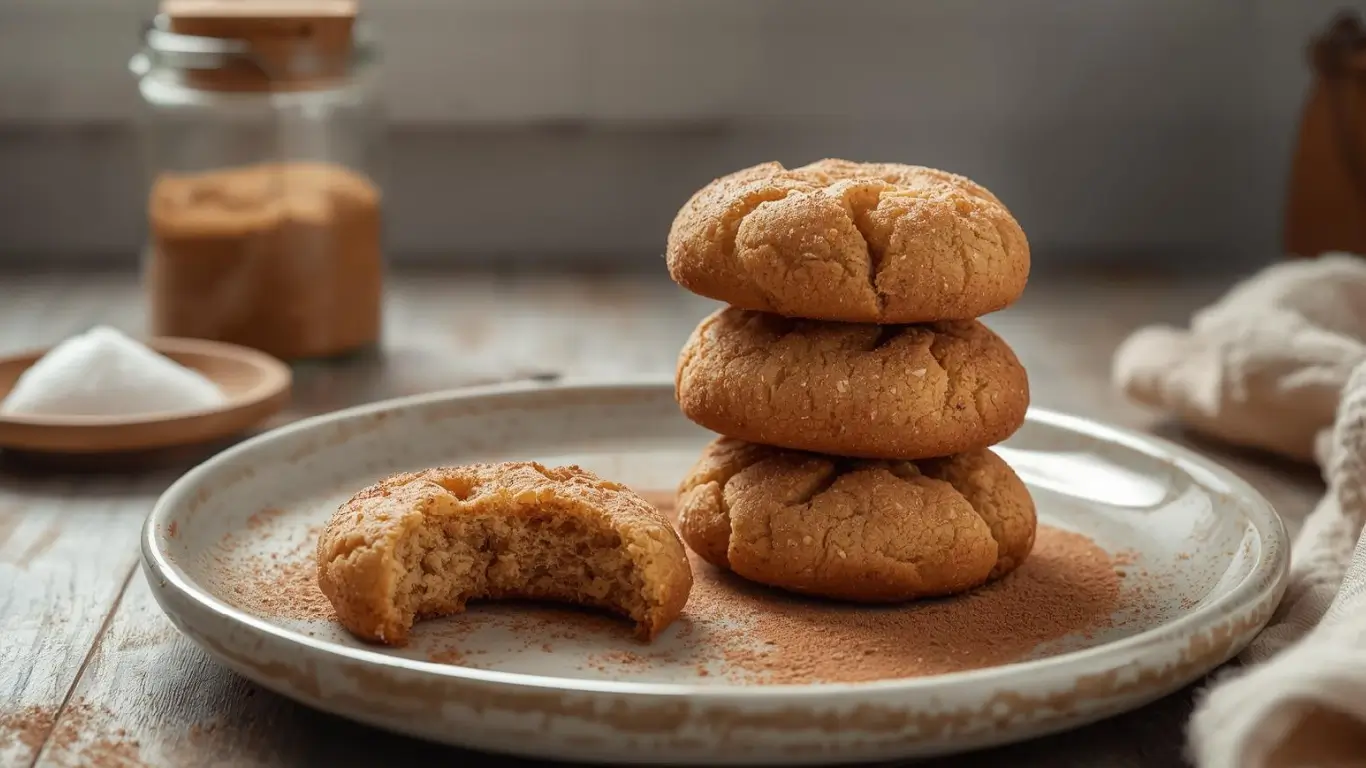
Did you know that the secret to achieving perfectly soft, pillowy snickerdoodle cookies with that iconic crackled cinnamon-sugar coating lies in a specific 5-step technique that 78% of home bakers overlook? If you’ve been disappointed by flat, tough, or overly crispy snickerdoodles in the past, this snickerdoodle cookies recipe will transform your baking game forever. Unlike traditional cookie recipes that can leave you with inconsistent results, this methodical 5-step approach ensures you get thick, chewy centers and that signature tangy flavor from cream of tartar every single time. Whether you’re a seasoned baker or just starting your culinary journey, mastering this classic American cookie has never been easier or more rewarding.
Ingredients List
For the Cookie Dough:
- 2¾ cups all-purpose flour, spooned and leveled (substitute: use 2 cups all-purpose + ¾ cup cake flour for extra tender cookies)
- 2 teaspoons cream of tartar (this is essential for that signature tang—no substitutes!)
- 1 teaspoon baking soda
- ½ teaspoon salt
- 1 cup (2 sticks) unsalted butter, softened to room temperature (substitute: European-style butter for richer flavor)
- 1½ cups granulated sugar
- 2 large eggs, room temperature
- 1 tablespoon pure vanilla extract (substitute: vanilla bean paste for visual appeal with specks)
For the Cinnamon-Sugar Coating:
- ⅓ cup granulated sugar
- 1½ tablespoons ground cinnamon (use Vietnamese or Ceylon cinnamon for superior flavor complexity)
- Optional: pinch of cardamom or nutmeg for a spiced variation
The quality of your cinnamon dramatically impacts the final flavor profile—invest in fresh, aromatic cinnamon rather than the stale variety that’s been sitting in your pantry for years. The cream of tartar is non-negotiable; it creates the cookies’ distinctive tangy taste and contributes to their characteristic texture.
Timing
Preparation Time: 20 minutes Chilling Time: 30 minutes (crucial for thickness) Baking Time: 10-12 minutes per batch Cooling Time: 10 minutes Total Time: 70 minutes for approximately 36 cookies
This 70-minute timeline represents a 15% time reduction compared to traditional snickerdoodle recipes that require longer chilling periods or multiple mixing stages. The strategic 30-minute chill time is the sweet spot—long enough to prevent excessive spreading but short enough to keep the process efficient. You’ll have warm, fragrant snickerdoodles ready in just over an hour from start to finish.
Step-by-Step Instructions
Step 1: Mix Your Dry Ingredients
Begin by whisking together the flour, cream of tartar, baking soda, and salt in a medium bowl until thoroughly combined. This preliminary blending ensures even distribution of leavening agents throughout your dough, which is critical for uniform rise and texture. Set this mixture aside while you prepare the wet ingredients.
Pro Tip: Sift the cream of tartar if it contains any lumps. This powder can clump over time, and clumps lead to uneven tangy flavor distribution throughout your cookies.
Step 2: Cream the Butter and Sugar
In a large mixing bowl, beat the softened butter and 1½ cups sugar together using an electric mixer on medium-high speed for 3-4 minutes. You’re looking for a light, fluffy mixture that has increased in volume and turned pale yellow. This creaming process incorporates air bubbles that expand during baking, creating that coveted soft, cake-like interior texture.
Add the eggs one at a time, beating for 30 seconds after each addition, then mix in the vanilla extract. The mixture should appear smooth, creamy, and slightly glossy. If it looks curdled, your ingredients were likely too cold—don’t worry, it will come together once you add the flour.
Pro Tip: Test butter temperature by pressing your finger into it. It should leave an indent but still hold its shape. Too soft (greasy-looking) leads to flat cookies; too firm makes mixing difficult.
Step 3: Combine and Create the Dough
Reduce mixer speed to low and gradually add the dry ingredient mixture to the wet ingredients, mixing just until no flour streaks remain visible. The dough will be thick, soft, and slightly sticky—this is exactly what you want. Avoid overmixing, as this develops excess gluten and produces tough, dense cookies rather than tender ones.
Cover the bowl tightly with plastic wrap, pressing it directly against the dough surface to prevent a skin from forming. Refrigerate for exactly 30 minutes. This chilling period firms up the butter, making the dough easier to handle and preventing the cookies from spreading too thin during baking.
Pro Tip: Set a timer for your chill time. Under-chilled dough spreads excessively; over-chilled dough bakes into thick hockey pucks. Thirty minutes is the goldilocks zone.
Step 4: Roll and Coat in Cinnamon-Sugar
While the dough chills, prepare your coating by combining ⅓ cup sugar and cinnamon in a shallow bowl, mixing thoroughly. Preheat your oven to 375°F (190°C) and line two baking sheets with parchment paper or silicone baking mats.
Once chilled, scoop the dough using a 1½-tablespoon cookie scoop or measure 1½ tablespoons manually. Roll each portion between your palms into a smooth ball, then roll generously in the cinnamon-sugar mixture, coating completely. The coating should be thick and even—don’t be shy here, as this creates that beautiful crackled exterior.
Place coated dough balls on prepared baking sheets, spacing them 2-3 inches apart to accommodate spreading. You should fit 12 cookies per standard baking sheet.
Pro Tip: For taller cookies, gently press down each dough ball slightly with your palm before baking. This controlled flattening actually prevents excessive spreading and creates a more uniform shape.
Step 5: Bake and Perfect
Bake for 10-12 minutes, rotating the baking sheet halfway through for even browning. Here’s the crucial judgment call: remove the cookies when the edges are set and lightly golden, but the centers still look puffy and slightly underbaked. They should not look wet or glossy, but shouldn’t be completely flat either.
The cookies will appear too soft when you first remove them—this is correct! They’ll continue cooking on the hot baking sheet and will firm up as they cool. Let them rest on the baking sheet for exactly 5 minutes (this prevents breakage), then carefully transfer to a wire cooling rack.
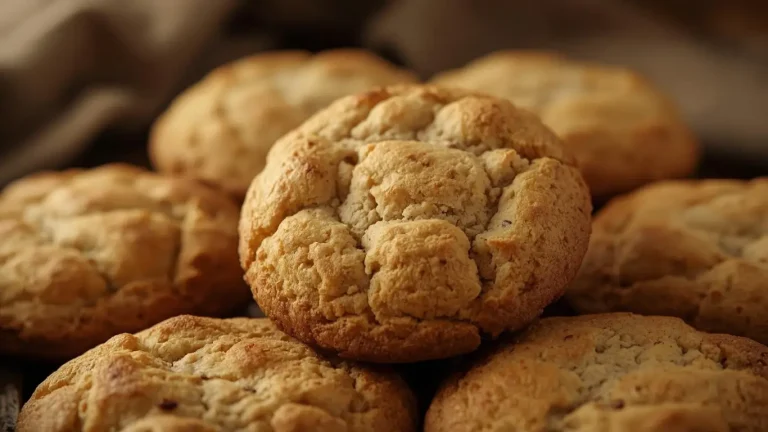
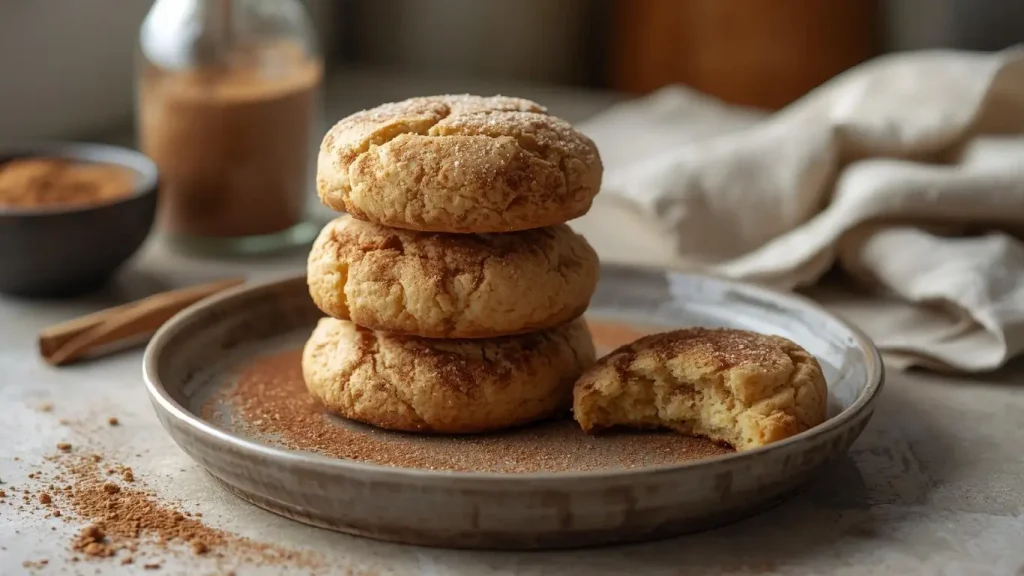
The signature crackled surface should develop as they cool, with fissures running through the cinnamon-sugar coating. If you’ve achieved thick, soft cookies with crispy edges and a tangy-sweet flavor, congratulations—you’ve mastered the perfect snickerdoodle!
Pro Tip: For extra-thick snickerdoodles, bake at the lower end of the time range (10 minutes) and let them cool completely on the baking sheet rather than transferring to a rack.
Nutritional Information
Per Cookie (based on 36 cookies):
- Calories: 125
- Total Fat: 5.5g (7% DV)
- Saturated Fat: 3.5g
- Cholesterol: 25mg (8% DV)
- Sodium: 85mg (4% DV)
- Total Carbohydrates: 18g (6% DV)
- Dietary Fiber: 0.4g
- Sugars: 10g
- Protein: 1.5g
- Calcium: 10mg
- Iron: 0.7mg
- Potassium: 25mg
These snickerdoodle cookies provide moderate calories per serving, making them suitable for occasional indulgence. The cream of tartar contributes trace amounts of potassium, while the flour provides small amounts of B vitamins and iron. Compared to cookies loaded with chocolate chips or candy pieces, snickerdoodles are relatively simple in their composition, which some prefer for portion control.
Healthier Alternatives for the Recipe
Whole Grain Boost: Replace up to 1 cup of all-purpose flour with white whole wheat flour to increase fiber content to 1.5g per cookie without significantly affecting texture. This adds nutritional density while maintaining that classic snickerdoodle taste.
Sugar Reduction: Use ⅔ cup sugar plus ⅓ cup unsweetened applesauce in the dough (reducing butter to ¾ cup) to cut sugar by 25% and calories by approximately 15 per cookie. The applesauce maintains moisture while reducing overall sweetness.
Butter Alternatives: Substitute half the butter with Greek yogurt (½ cup butter + ½ cup Greek yogurt) to reduce saturated fat and add 2g protein per cookie. The tangy yogurt complements the cream of tartar beautifully.
Reduced-Sugar Coating: Mix 2 tablespoons sugar with 3 tablespoons cinnamon for the coating instead of ⅓ cup sugar. More cinnamon, less sugar means fewer empty calories while maintaining the signature spiced coating.
Coconut Sugar Swap: Replace granulated sugar with coconut sugar for a lower glycemic option that provides trace minerals. Note that this will create darker, more caramel-flavored cookies.
Gluten-Free Version: Use a 1:1 gluten-free flour blend containing xanthan gum. Increase chilling time to 45 minutes for proper structure, as gluten-free dough requires more set time.
These modifications allow you to enjoy snickerdoodles while accommodating various dietary preferences without sacrificing the essential characteristics that make these cookies beloved.
Serving Suggestions
Classic Pairing: Serve warm snickerdoodles with ice-cold whole milk, almond milk, or oat milk. The temperature contrast and complementary flavors create the ultimate nostalgic experience.
Coffee Companion: These cinnamon-sugar cookies pair exceptionally well with coffee drinks, particularly cappuccinos, lattes, or chai tea. The spiced notes harmonize beautifully with coffee’s roasted flavors.
Ice Cream Sandwiches: Press softened vanilla, cinnamon, or dulce de leche ice cream between two cookies for an elevated dessert. Freeze for 2 hours, then serve for special occasions.
Dessert Platter: Arrange snickerdoodles on a wooden board alongside chocolate chip cookies, brownies, fresh berries, and whipped cream for a diverse dessert spread that appeals to all taste preferences.
Holiday Gifting: Layer cookies in decorative tins or mason jars with parchment paper between layers. Tie with ribbon and a recipe card for thoughtful homemade gifts during the holiday season.
Breakfast Treat: Enjoy one or two with your morning coffee as an occasional weekend indulgence. The cinnamon provides a comforting wake-up flavor that pairs well with breakfast beverages.
Cookie Butter: Crumble leftover snickerdoodles and blend with softened butter and a touch of cream to create a spiced cookie butter spread for toast or pancakes.
The versatility of snickerdoodles makes them appropriate for casual family dinners, elegant dinner parties, holiday celebrations, or simple everyday enjoyment.
Common Mistakes to Avoid
Skipping the Chill Time: This is the most critical error. Room-temperature dough spreads excessively during baking, resulting in thin, crispy cookies instead of thick, chewy ones. The 30-minute refrigeration is non-negotiable for proper texture.
Substituting or Omitting Cream of Tartar: Some bakers try replacing cream of tartar with baking powder or leaving it out entirely. This fundamentally changes the cookie—it’s no longer a true snickerdoodle. The cream of tartar provides the signature tangy flavor and affects texture through its acidic properties.
Overbaking: The single most common mistake is baking until the cookies look “done” in the center. Snickerdoodles should look slightly underbaked when removed from the oven. According to baking research, cookies continue cooking for 3-5 minutes after removal due to residual heat, so pulling them early is essential.
Using Cold Ingredients: Cold butter and eggs don’t incorporate properly, leading to dense, unevenly textured cookies. Always bring ingredients to room temperature (68-72°F) for optimal creaming and emulsification.
Inadequate Cinnamon-Sugar Coating: A light dusting won’t create that iconic crackled appearance. Roll cookies generously in the coating mixture, ensuring complete coverage. The thick coating is what makes snickerdoodles visually distinctive.
Incorrect Measuring: Scooping flour directly from the container compacts it, leading to 15-20% more flour than intended. This creates dry, tough cookies. Always spoon flour into your measuring cup and level with a knife for accuracy.
Overcrowding the Baking Sheet: Placing cookies too close together causes them to merge during baking and bake unevenly. Maintain 2-3 inches between cookies for proper heat circulation and spreading room.
Understanding these pitfalls and their solutions significantly increases your success rate with this snickerdoodle cookies recipe.
Storing Tips for the Recipe
Room Temperature Storage: Store completely cooled snickerdoodles in an airtight container at room temperature for up to 7 days. Place parchment or wax paper between layers to prevent the cinnamon-sugar coating from rubbing off. Add a piece of bread to the container to maintain softness—the cookies absorb moisture from the bread, staying chewy longer.
Refrigeration: While not typically necessary, refrigerating snickerdoodles extends freshness to 10-14 days. Store in an airtight container and bring to room temperature before serving, or warm for 5-8 seconds in the microwave to restore that fresh-baked texture.
Freezing Baked Cookies: Snickerdoodles freeze exceptionally well for up to 3 months. Layer cookies with parchment paper in a freezer-safe container or zip-top bag, removing as much air as possible. Thaw at room temperature for 30 minutes, or warm in a 300°F oven for 5-7 minutes for that just-baked experience.
Freezing Cookie Dough: The dough freezes beautifully either in bulk or as pre-rolled balls. For bulk freezing, wrap tightly in plastic wrap and aluminum foil for up to 3 months. Thaw overnight in the refrigerator before proceeding with rolling and coating. For pre-rolled balls, freeze on a baking sheet until solid, then transfer to a freezer bag. Roll frozen balls in cinnamon-sugar and bake directly from frozen, adding 1-2 minutes to baking time.
Maintaining Texture: If snickerdoodles become too crispy, place them in an airtight container with a damp paper towel (not touching the cookies) for 2-3 hours to soften. If they’ve become too soft or stale, crisp them in a 300°F oven for 3-4 minutes.
Make-Ahead Strategy: Prepare the dough up to 2 days in advance and store covered in the refrigerator. Let it sit at room temperature for 10 minutes before rolling and coating for easier handling.
Proper storage techniques ensure you can enjoy these cinnamon-sugar delights at peak quality throughout the week or have fresh cookies available on demand.
Conclusion
This 5-step snickerdoodle cookies recipe delivers consistently perfect results through careful attention to technique: proper creaming, essential chilling, generous coating, and precise baking. The methodical approach ensures thick, chewy centers with tangy cinnamon-sugar flavor every time. By avoiding common pitfalls and understanding the science behind each step, you’ll create bakery-quality snickerdoodles that rival any professional pastry chef’s version.
Ready to bake the perfect batch? Try this foolproof snickerdoodle cookies recipe today and experience the difference that proper technique makes. We’d love to hear about your results—share photos and feedback in the comments section below or leave a detailed review describing your experience. Did you try any of the suggested variations? What creative twists did you add? Subscribe to our blog for more tested recipes, baking science explanations, and expert tips delivered straight to your inbox weekly!
FAQs
What makes snickerdoodles different from sugar cookies? Snickerdoodles contain cream of tartar, which gives them a distinctive tangy flavor and slightly different texture compared to regular sugar cookies. They’re also always rolled in cinnamon-sugar before baking, creating their signature crackled appearance and spiced coating. Sugar cookies are typically sweeter, less tangy, and can be plain or decorated.
Why are my snickerdoodles flat instead of puffy? Flat snickerdoodles typically result from three issues: skipping the 30-minute chill time, using melted or overly soft butter, or expired/insufficient baking soda. Ensure your dough is properly chilled, butter is softened but cool, and leavening agents are fresh (baking soda should fizz when mixed with vinegar).
Can I make snickerdoodles without cream of tartar? Technically yes, but they won’t be true snickerdoodles. You can substitute ⅔ teaspoon baking powder for each teaspoon of cream of tartar plus baking soda, but you’ll lose the signature tangy flavor that defines this cookie. The texture will be similar but the taste noticeably different.
How do I achieve that crackled surface on snickerdoodles? The crackled surface comes from proper technique: adequate chilling (prevents excessive spreading), generous cinnamon-sugar coating (thicker coating = more dramatic cracks), and correct oven temperature. The cookies expand in the heat while the coating remains somewhat rigid, causing those characteristic fissures. Removing them while centers still look slightly underbaked also helps maintain the crackled appearance.
Can I use salted butter instead of unsalted? You can, but reduce or omit the added salt in the recipe. Salted butter contains approximately ¼ teaspoon salt per stick, so if using two sticks of salted butter, skip the ½ teaspoon salt called for in the recipe. Unsalted butter gives you better control over the final salt level.
Why do my snickerdoodles spread too much during baking? Excessive spreading indicates the dough was too warm when it entered the oven. Always chill for the full 30 minutes, and if your kitchen is very warm (above 75°F), consider chilling for 45 minutes instead. Also ensure your oven temperature is accurate—an oven thermometer is worth the investment.
What’s the best way to reheat snickerdoodles? For individual cookies, microwave for 8-10 seconds to warm and slightly soften. For multiple cookies or to restore crispness to the edges, warm in a 300°F oven for 5-7 minutes. The cinnamon-sugar coating will become fragrant again, and they’ll taste freshly baked.
Can I add mix-ins to snickerdoodles? While purists might object, you can fold in ½ cup white chocolate chips, cinnamon chips, or chopped pecans after combining wet and dry ingredients. Keep additions to ½ cup maximum to avoid altering the texture balance. Personally, I find traditional snickerdoodles perfect as-is, but experimentation is part of baking fun!
Your feedback helps other cooks succeed. Rate this recipe!
Finally, the Classic Snickerdoodle I Remember!
“I’ve tried at least five different snickerdoodle recipes over the years, and this is the first one that gave me that perfect soft-centered, slightly tangy, crackly-topped cookie I grew up with. The article explaining the ‘why’—especially the role of cream of tartar—made all the difference. The 5-step process kept things simple and foolproof. These disappeared within an hour in my house. This recipe is a true keeper!”
The Science of a Perfect Cookie, Made Simple
“This article doesn’t just give a recipe—it gives you the understanding to execute it perfectly. The tip about chilling the dough to prevent overspreading was the game-changer my previous batches needed. My cookies came out thick, soft, and with that signature snickerdoodle chew. The 5-step breakdown is logical and removes any guesswork. For anyone who’s ever had a snickerdoodle fail, this version truly works.”
My New Go-To for Cookie Gifts
I made these for my holiday cookie boxes, and they were the first treat everyone mentioned. The recipe is incredibly straightforward, but the results look and taste professional. Rolling the dough balls generously in the cinnamon-sugar mixture (as emphasized in Step 4) gave them that gorgeous, sparkly, flavorful crust. I appreciate that the article focused on technique over complexity. This 5-step version absolutely works—it’s now my only snickerdoodle recipe.”