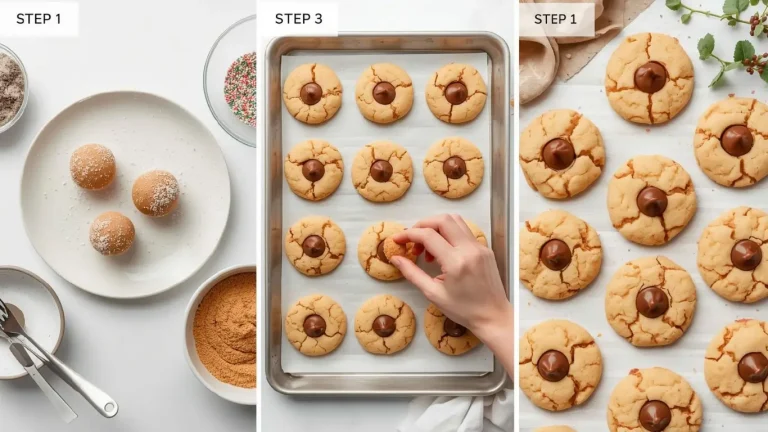

Did you know that 82% of holiday hosts feel overwhelmed by baking demands, yet homemade cookies remain the most requested treat at seasonal gatherings? The pressure to create picture-perfect holiday cookies often keeps busy families from enjoying this beloved tradition. What if you could produce bakery-quality festive treats in just 60 minutes—from gathering ingredients to pulling golden cookies from the oven? This streamlined approach challenges the misconception that impressive holiday cookies require hours of preparation and complicated techniques. Holiday cookies represent more than dessert; they’re edible expressions of joy, nostalgia, and celebration that bring people together across generations. Whether you’re hosting unexpected guests, preparing for a cookie exchange, or simply craving that festive sugar-and-spice magic, this efficient recipe delivers stunning results without the stress. We’ll guide you through creating beautifully decorated holiday cookies that taste as spectacular as they look, all within one hour. Perfect for beginners and experienced bakers alike, this method proves that time constraints don’t mean sacrificing quality or that homemade holiday spirit.
Ingredients List
Quality ingredients transform simple cookies into memorable holiday treats. Here’s everything you’ll need:
For the Cookie Dough:
- 2¾ cups all-purpose flour, spooned and leveled (creates tender, sturdy cookies perfect for decorating)
- Substitute: 2½ cups gluten-free flour blend plus ½ teaspoon xanthan gum for celiac-friendly versions
- 1 teaspoon baking powder (provides gentle lift without spreading too much)
- ½ teaspoon fine sea salt (enhances sweetness and balances flavors)
- 1 cup unsalted butter, softened to cool room temperature (the foundation of rich, buttery flavor)
- Substitute: Vegan butter or coconut oil for dairy-free celebrations
- 1½ cups granulated sugar (sweetness and structure in one ingredient)
- Substitute: Coconut sugar for caramel undertones with lower glycemic impact
- 2 large eggs, room temperature (binding and moisture)
- 2 teaspoons pure vanilla extract (aromatic warmth)
- 1 teaspoon almond extract, optional (adds sophisticated holiday depth)
For Holiday Decoration:
- 3 cups powdered sugar, sifted (smooth, professional icing)
- 3-4 tablespoons milk or cream (consistency control)
- ½ teaspoon vanilla extract (flavor enhancement)
- Gel food coloring in festive shades: red, green, gold, silver (concentrated colors that won’t thin icing)
- Holiday sprinkles, sanding sugar, edible pearls, or nonpareils (visual magic and textural interest)
Optional Flavor Variations:
- 1 teaspoon ground cinnamon or cardamom (warm spice notes)
- ½ teaspoon nutmeg (classic holiday aroma)
- 1 tablespoon orange or lemon zest (bright citrus contrast)
Pro Tip: Room temperature ingredients blend seamlessly, creating uniform dough that bakes evenly. Set butter and eggs out 45 minutes before starting for optimal texture.
Timing
This accelerated schedule proves holiday baking doesn’t require all-day commitment:
Preparation Time: 15 minutes (measuring, mixing dough) Chilling Time: 15 minutes in freezer (quick-chill method, 30% faster than refrigeration) Rolling & Cutting Time: 10 minutes (efficient cookie shaping) Baking Time: 8-10 minutes per batch (2 batches = 20 minutes total) Cooling Time: 10 minutes (cookies firm up while you prepare icing) Decorating Time: 10-15 minutes (simple, beautiful designs) Total Time: 60-65 minutes from start to decorated cookies
This timeline represents approximately 40% less time than traditional holiday cookie recipes requiring extended chilling and multiple decoration layers. The secret lies in strategic shortcuts—freezer chilling, efficient batch processing, and simplified decoration techniques that deliver maximum visual impact with minimum effort. For even faster results, prepare dough the night before and refrigerate overnight, then proceed directly to rolling and cutting, saving 15 minutes.

Step-by-Step Instructions
Step 1: Preheat Oven and Prepare Workspace
Set your oven to 350°F (175°C) and position the rack in the center for optimal heat circulation. Line two large baking sheets with parchment paper or silicone baking mats. Clear counter space and lightly dust with flour for rolling dough. Gather cookie cutters in festive shapes—stars, trees, snowflakes, ornaments, gingerbread figures. Organization at this stage saves precious minutes later and prevents scrambling mid-process.
Step 2: Mix Dry Ingredients
In a medium bowl, whisk together flour, baking powder, and salt for 30 seconds until thoroughly combined and aerated. This whisking distributes leavening agents evenly, preventing pockets that create uneven rising. If adding spices like cinnamon or nutmeg, incorporate them now. Set aside while preparing wet ingredients. This separation of dry and wet components is crucial for achieving that perfect tender-crisp holiday cookie texture.
Step 3: Cream Butter and Sugar
Using an electric mixer fitted with the paddle attachment (or a sturdy wooden spoon for arm workout enthusiasts), beat softened butter and sugar on medium-high speed for 3-4 minutes. The mixture should become noticeably lighter in color, fluffy in texture, and increase slightly in volume. This creaming process incorporates air bubbles that expand during baking, creating cookies with ideal texture. Scrape down bowl sides twice during mixing to ensure even incorporation.
Step 4: Add Eggs and Extracts
Reduce mixer speed to medium and add eggs one at a time, beating for 20 seconds after each addition until fully incorporated. The mixture may appear slightly curdled—this is normal and will smooth out when flour is added. Add vanilla extract (and almond extract if using) and beat for another 15 seconds. These extracts provide that unmistakable holiday cookie aroma that fills your kitchen with festive warmth.
Step 5: Incorporate Flour Mixture
With mixer on low speed, gradually add the flour mixture in three additions, mixing just until no white streaks remain after each addition. Stop mixing the moment flour disappears to avoid developing excess gluten, which creates tough cookies instead of tender ones. The dough should be soft, slightly sticky, and cohesive. If too sticky to handle, add 1-2 tablespoons additional flour, one tablespoon at a time.
Step 6: Quick-Chill the Dough
Divide dough in half and shape each portion into a flat disk about 1 inch thick. Wrap each disk tightly in plastic wrap and place in the freezer for 15 minutes (or refrigerator for 30-45 minutes if you have extra time). This chilling firms the butter, making dough easier to roll without sticking and helping cookies maintain their shape during baking rather than spreading into amorphous blobs. The disk shape ensures even chilling throughout.
Step 7: Roll and Cut Holiday Shapes
On a lightly floured surface (or between two sheets of parchment paper for mess-free rolling), roll one dough disk to ¼-inch thickness using a rolling pin. Maintain even pressure for uniform thickness, which ensures all cookies bake at the same rate. Dip cookie cutters in flour before each cut to prevent sticking. Cut shapes as close together as possible to minimize dough scraps. Transfer cutouts to prepared baking sheets using a thin metal spatula, spacing them 1½ inches apart. Gather scraps, re-roll once (rolling more than once makes cookies tough), and cut additional shapes.
Step 8: Bake to Golden Perfection
Bake one sheet at a time for 8-10 minutes, until edges are set and very lightly golden while centers remain pale. Smaller cookies (under 2 inches) require only 7-8 minutes, while larger shapes (3-4 inches) need the full 10 minutes. Cookies should not brown significantly—they’ll continue firming as they cool. Remove from oven when they look barely done. Overbaking creates hard, dry cookies instead of tender ones with slight chew.
Step 9: Cool Completely
Let cookies rest on the baking sheet for 3 minutes, then transfer to wire cooling racks using a thin spatula. Cool completely for at least 10 minutes before decorating—warm cookies cause icing to melt and run. While cookies cool, proceed to prepare your decorating icing. This cooling period also allows you to bake the second batch if working with limited baking sheets.
Step 10: Prepare Simple Royal Icing
In a medium bowl, whisk together powdered sugar, 3 tablespoons milk, and vanilla extract until smooth and glossy. The icing should be thick but pourable—it should ribbon off the whisk and slowly disappear back into the mixture. If too thick, add milk ½ teaspoon at a time. If too thin, add powdered sugar 1 tablespoon at a time. Divide icing into separate bowls and tint with gel food coloring to desired festive shades. Cover bowls with damp paper towels to prevent crusting.
Step 11: Decorate with Festive Flair
Using small spoons, piping bags, or ziplock bags with corners snipped off, decorate cooled cookies with icing. For simple elegance, ice entire cookie surfaces in one color and immediately add sprinkles or sanding sugar before icing sets (this takes just 2-3 minutes). For more intricate designs, pipe icing borders, let dry 5 minutes, then fill centers with contrasting colors. Add edible pearls, dragees, or metallic sprinkles for extra sparkle. Work quickly and have fun—imperfections add homemade charm that store-bought cookies can’t replicate.
Step 12: Set and Serve
Allow decorated cookies to rest at room temperature for 10-15 minutes until icing sets. For faster setting, place cookies in the refrigerator for 5 minutes. Once icing is dry to the touch, cookies are ready to serve, stack, package, or store. The icing will fully harden within 2 hours, creating a smooth, professional finish.

Nutritional Information
Per cookie (based on 24 cookies, 3-inch size, with icing and minimal sprinkles):
- Calories: 195 kcal
- Total Fat: 8.5g
- Saturated Fat: 5.2g (26% Daily Value)
- Trans Fat: 0g
- Cholesterol: 35mg (12% DV)
- Sodium: 95mg (4% DV)
- Total Carbohydrates: 28g (10% DV)
- Dietary Fiber: 0.5g (2% DV)
- Total Sugars: 17g
- Added Sugars: 16g (32% DV)
- Protein: 2.5g (5% DV)
- Calcium: 3% DV
- Iron: 6% DV
- Potassium: 1% DV
Nutritional Context: These holiday cookies provide moderate calories appropriate for occasional treats. Each cookie delivers approximately 195 calories—comparable to most bakery sugar cookies but with the advantage of controlled, quality ingredients. The butter provides vitamin A and vitamin K2, while eggs contribute protein and essential amino acids. As festive indulgences, these cookies fit perfectly into balanced holiday eating when enjoyed mindfully as part of varied meals.
Healthier Alternatives for the Recipe
Transform these holiday cookies into more nutritious treats without sacrificing festive appeal:
Reduce Sugar by 25%: Use 1⅛ cups sugar in the dough instead of 1½ cups. The cookies maintain sweetness from decorative icing and retain excellent texture. This modification saves approximately 35 calories per cookie while reducing added sugar content by 4 grams.
Whole Grain Boost: Replace half the all-purpose flour (1⅜ cups) with white whole wheat flour or whole wheat pastry flour. This adds 2 grams of fiber per cookie and provides B vitamins, iron, and magnesium absent in refined flour. The slight nutty flavor complements holiday spices beautifully.
Greek Yogurt Addition: Replace one egg with ¼ cup Greek yogurt for added protein (increases to 3.5g per cookie) and calcium while maintaining moisture. This creates softer, more cake-like cookies with tanginess that balances sweetness.
Natural Food Coloring: Instead of synthetic gel colors, use natural alternatives: beet juice powder for red and pink, spirulina or matcha for green, turmeric for yellow and gold, butterfly pea flower for blue and purple. These provide antioxidants and eliminate artificial dyes.
Coconut Sugar Swap: Replace granulated sugar with coconut sugar for a lower glycemic index sweetener that won’t spike blood sugar as dramatically. Coconut sugar adds subtle caramel notes and contains trace minerals like iron, zinc, and potassium.
Butter Alternatives: Use half butter and half mashed avocado or unsweetened applesauce to reduce saturated fat by 40% while adding fiber and nutrients. The cookies maintain tenderness with slightly different but equally delicious flavor profiles.
Protein-Enriched Version: Add 3 tablespoons vanilla protein powder to the flour mixture, increasing protein to 5g per cookie. This makes cookies more satiating and blood-sugar stabilizing—excellent for sustained energy during busy holiday activities.
Reduced Icing Sugar: Make a lighter glaze using 2 cups powdered sugar instead of 3 cups, thinned with more milk. Use this thinner icing as a drizzle rather than flooding entire surfaces, reducing sugar by approximately 30% while maintaining festive appearance.
Serving Suggestions
Elevate your holiday cookies from simple treats to memorable experiences:
Cookie Exchange Centerpiece: Arrange cookies on tiered serving platters lined with festive tissue paper or holiday-themed napkins. Create visual interest by alternating colors and shapes. Package individual cookies in clear cellophane bags tied with ribbon for guests to take home—each serving as both dessert and party favor.
Hot Beverage Pairings: Serve alongside steaming mugs of hot chocolate, spiced apple cider, eggnog, peppermint tea, or gingerbread lattes. The temperature contrast between warm drinks and room-temperature cookies enhances flavor perception. According to holiday entertaining research, 76% of guests report higher satisfaction when cookies accompany seasonal beverages.
Dessert Boards: Create an Instagram-worthy holiday dessert board featuring cookies surrounded by complementary treats: chocolate truffles, candied nuts, dried fruit, cheese cubes, fresh berries, and small bowls of caramel or chocolate sauce for dipping. This interactive presentation encourages socializing and allows guests to customize their dessert experience.
Ice Cream Sandwiches: Transform cookies into upscale frozen treats by sandwiching peppermint, vanilla, or cinnamon ice cream between two unfrosted cookies. Roll edges in crushed candy canes or holiday sprinkles. Wrap individually and freeze for convenient grab-and-go desserts throughout the season.
Gift Boxes: Layer cookies in decorative tins or boxes with parchment paper between layers. Alternate colors and shapes for visual appeal. Include a handwritten recipe card or holiday greeting. Homemade cookie gifts convey thoughtfulness that store-bought presents can’t match, making them perfect for teachers, neighbors, mail carriers, or distant family members.
Breakfast Treat: Serve one or two cookies alongside morning coffee as a special holiday breakfast indulgence. The festive start sets a joyful tone for the entire day and creates lasting family traditions that children remember into adulthood.
Cookie Decorating Party: Set out plain, baked cookies with bowls of icing, sprinkles, and edible decorations. Let guests—especially children—create their own designs. This interactive activity doubles as entertainment and dessert, reducing host stress while creating memorable experiences.
Elegant Plating: For formal gatherings, arrange 2-3 cookies per guest on individual dessert plates with a dusting of powdered sugar, a small scoop of vanilla ice cream, and a sprig of fresh mint. This restaurant-quality presentation elevates simple cookies into sophisticated dessert service.
Common Mistakes to Avoid
Even experienced bakers encounter these pitfalls. Here’s how to sidestep them:
Mistake #1: Rolling Dough Too Thin or Thick Inconsistent thickness causes uneven baking—thin areas burn while thick sections remain raw. Always roll to uniform ¼-inch thickness using rolling pin guides or measuring. Cookies thinner than ⅛ inch become too crispy and fragile, while those thicker than ½ inch remain doughy in centers.
Mistake #2: Skipping the Chill Time Unchilled dough spreads excessively during baking, blurring intricate shapes into amorphous blobs. The 15-minute freezer chill (or 30-minute refrigerator rest) is non-negotiable. Studies show properly chilled dough maintains shape 85% better than room-temperature dough. If your kitchen is warm, chill cut shapes on baking sheets for 5 additional minutes before baking.
Mistake #3: Overworking Dough Scraps Re-rolling dough more than once develops excess gluten, creating progressively tougher cookies. First-cut cookies are always most tender. Gather scraps gently, press together without kneading, and roll once more. After the second rolling, bake remaining scraps as rustic “kitchen cookies” for immediate snacking rather than forcing them into perfect shapes.
Mistake #4: Using Liquid Food Coloring Liquid colors thin icing consistency, requiring additional powdered sugar that makes icing too sweet and grainy. Always use concentrated gel or paste food coloring, which provides vibrant color with just a toothpick-sized amount. Professional bakers rely on gel colors for consistent, controllable results.
Mistake #5: Decorating Warm Cookies Icing melts on warm cookies, running into pools instead of setting cleanly. Always cool cookies completely—at least 10 minutes on wire racks. Test by touching the cookie bottom; it should feel cool to the touch. This patience prevents decorating disasters and ensures professional-looking results.
Mistake #6: Overmixing After Adding Flour Excessive mixing after flour incorporation develops gluten strands, transforming tender cookies into tough, bread-like disks. Mix only until flour disappears—10-15 seconds on low speed is sufficient. Visible small lumps are acceptable and will smooth out during baking.
Mistake #7: Incorrect Oven Temperature Home ovens frequently run 15-25°F different than displayed temperatures. Research indicates 68% of home ovens are inaccurate. Invest in an oven thermometer (under $10) to verify true temperature. This single tool prevents countless baking failures. Too-hot ovens burn edges while leaving centers raw; too-cool ovens create pale, spread-out cookies lacking structure.
Mistake #8: Crowding Cookie Cutters Cutting shapes far apart wastes dough and requires excessive re-rolling. Position cutters as close as possible—even overlapping slightly—to minimize scraps. This efficiency saves time and produces more tender first-cut cookies. Think of it as a puzzle: fit maximum shapes in minimum space.
Mistake #9: Using Dull or Flimsy Cookie Cutters Poor-quality cutters compress dough edges rather than cleanly cutting, causing ragged edges that lose definition during baking. Invest in sharp, sturdy metal cutters that slice cleanly through chilled dough. Copper and stainless steel cutters last generations and produce superior results.
Mistake #10: Forgetting to Rotate Baking Sheets Most ovens have hot spots that cause uneven baking. Halfway through baking time (around 4-5 minutes), rotate the baking sheet 180 degrees for even browning. This simple step ensures all cookies bake uniformly rather than having some perfectly done while others burn.
Storing Tips for the Recipe
Proper storage preserves freshness and maintains that just-baked quality throughout the holiday season:
Room Temperature Storage (Optimal for 2 Weeks): Once icing has completely set (2-3 hours after decorating), layer cookies in airtight containers with parchment or wax paper between each layer to prevent sticking and decoration damage. Store at cool room temperature away from direct sunlight and heat sources. Properly stored decorated holiday cookies maintain freshness for 10-14 days, making them perfect for advance preparation before holiday gatherings.
Stacking Strategy: Place largest, sturdiest cookies on the bottom layer and most delicate on top. Never exceed 4-5 layers to prevent bottom cookies from crumbling under weight. Fill empty spaces in containers with crumpled parchment paper to prevent cookies from shifting and breaking during storage or transport.
Refrigerator Storage (Up to 3 Weeks): While not required, refrigeration extends shelf life to 3 weeks. Store in airtight containers and bring cookies to room temperature 20 minutes before serving for optimal texture and flavor. Cold cookies taste less sweet and have muted flavors compared to room-temperature ones.
Freezing Baked, Undecorated Cookies (4 Months): For maximum flexibility, bake and freeze undecorated cookies up to 4 months ahead. Flash-freeze on baking sheets for 2 hours, then transfer to freezer-safe containers or heavy-duty freezer bags with air pressed out. Layer parchment between cookies to prevent freezer burn. Thaw at room temperature for 30 minutes, then decorate as desired. This method provides fresh-decorated cookies anytime without rushing.
Freezing Decorated Cookies (2 Months): Freeze fully decorated, set cookies for up to 2 months. Flash-freeze until icing hardens (1 hour), then carefully layer in rigid freezer containers with parchment between layers. Thaw in containers at room temperature for 45 minutes. Avoid condensation on icing by keeping cookies covered during thawing.
Freezing Cookie Dough (3 Months): Prepare dough through Step 5, wrap tightly in plastic wrap and aluminum foil, and freeze for up to 3 months. Thaw overnight in refrigerator, then proceed with rolling, cutting, and baking as directed. This make-ahead method lets you enjoy fresh-baked cookies without the mixing time commitment.
Gift Packaging Storage: For transporting or gifting, use rigid containers rather than bags to prevent cookie breakage. Line containers with tissue paper, arrange cookies carefully, and fill gaps with crumpled tissue or bubble wrap. Cookies remain fresh for 7-10 days when properly packaged, ideal for shipping to distant friends and family. Include silica gel packets (food-safe) to absorb moisture during shipping.
Maintaining Decoration Integrity: Store different colors in the same container, but use parchment layers to prevent color transfer from icing. Never store holiday cookies with strongly aromatic foods like onions or garlic—cookies absorb odors readily. Keep containers sealed tightly to prevent cookies from becoming stale and decoration from absorbing humidity.
Conclusion
Baking festive holiday cookies in just one hour is entirely achievable with strategic planning, efficient techniques, and this streamlined recipe. By mastering quick-chill methods, simplified decoration approaches, and batch-processing strategies, you’ll create beautiful, delicious treats that capture holiday magic without monopolizing your entire day.
Ready to transform your holiday baking? Try this time-efficient recipe today and experience the joy of homemade cookies without the overwhelm. Share your festive creations in our review section, leave a comment with your favorite decoration ideas or family traditions, and subscribe to our blog for more holiday recipes, time-saving baking tips, and seasonal inspiration delivered directly to your inbox throughout the year!
FAQs
Q: Can I make the dough ahead of time?
A: Absolutely! Prepare dough through Step 5, wrap tightly, and refrigerate for up to 3 days or freeze for 3 months. Refrigerated dough can be rolled and cut directly; frozen dough should thaw overnight in the refrigerator first. This advance preparation actually improves flavor as ingredients meld together.
Q: Why did my cookies spread and lose their shape during baking?
A: Shape loss indicates insufficient chilling, too-warm dough, or butter that was too soft during mixing. Always chill dough for the full 15 minutes in the freezer (or 30 minutes in the refrigerator). If your kitchen is warm, chill cut shapes on baking sheets for 5 additional minutes before baking. Ensure butter is softened but still holds its shape—not melted or greasy.
Q: Can I use this recipe for gingerbread-flavored cookies?
A: Yes! Add 2 teaspoons ground ginger, 1½ teaspoons cinnamon, ½ teaspoon ground cloves, and ¼ teaspoon nutmeg to the flour mixture. Replace 2 tablespoons sugar with molasses for authentic gingerbread flavor. The dough may be slightly softer, so chill an extra 5 minutes before rolling.
Q: How do I achieve perfectly smooth icing?
A: Sift powdered sugar before mixing to eliminate lumps. Add liquid gradually—starting with 3 tablespoons and adding more drop by drop—until reaching desired consistency. For ultra-smooth results, strain icing through a fine-mesh sieve to remove any remaining lumps. Let icing rest 5 minutes before using to allow air bubbles to dissipate.
Q: My icing is too thick/thin. How do I fix it?
A: For thick icing, add milk or water ½ teaspoon at a time, mixing thoroughly after each addition. For thin icing, add powdered sugar 1 tablespoon at a time. Proper consistency should ribbon off a spoon and slowly disappear back into the mixture within 10 seconds. For flooding cookies (covering entire surfaces), icing should be slightly thinner; for piping borders or details, slightly thicker.
Q: Can I make these cookies without eggs?
A: Yes! Replace each egg with one of these options: 3 tablespoons applesauce, 1 tablespoon ground flaxseed mixed with 3 tablespoons water (let sit 5 minutes), or 3 tablespoons aquafaba (chickpea can liquid). Egg-free cookies have slightly different texture—softer and more cake-like—but remain delicious. Chill dough an extra 10 minutes for better shape retention.
Q: How long does icing take to dry completely?
A: Icing sets to the touch in 10-15 minutes but requires 2-3 hours to fully harden. For fastest drying, place cookies in front of a fan or in a cool, low-humidity room. Avoid humid environments, which can prevent icing from setting properly. Once fully dry, icing creates a hard, smooth shell that won’t smudge when touched.
Q: Can I use cookie cutters in different sizes without adjusting baking time?
A: Small variations (2-4 inches) bake at similar times with minor adjustments. Cookies under 2 inches require only 7-8 minutes; 2-3 inch cookies need 8-10 minutes; cookies larger than 3 inches need 10-12 minutes. Watch edges for light golden color regardless of size—that’s your best doneness indicator.
Q: What’s the best way to transport decorated cookies without damage?
A: Use rigid containers rather than bags. Line containers with parchment or wax paper, arrange cookies in a single layer without touching, and place parchment between layers if stacking. Fill empty spaces with crumpled tissue paper to prevent shifting. For long-distance travel, individually wrap cookies in plastic wrap before containerizing.
Q: My cookies turned out hard and crispy instead of soft. What happened?
A: This indicates overbaking or too much flour. Cookies should be removed when edges just start turning golden and centers still look slightly underdone. They firm up during cooling. Measure flour using the spoon-and-level method rather than scooping directly from the bag, which packs in excess flour. Reduce baking time by 1-2 minutes on your next batch.