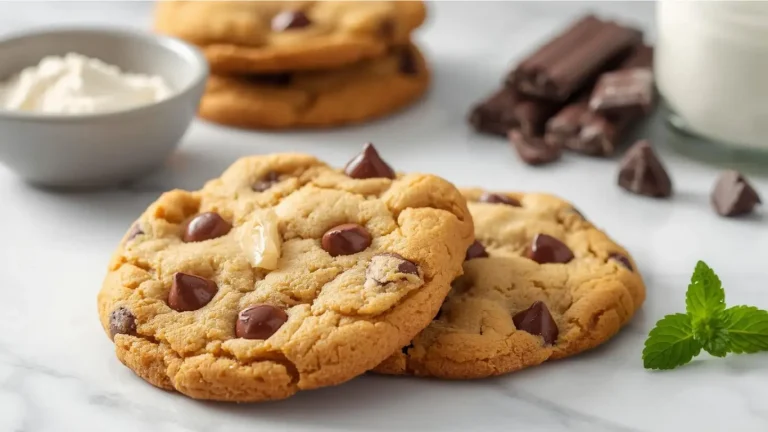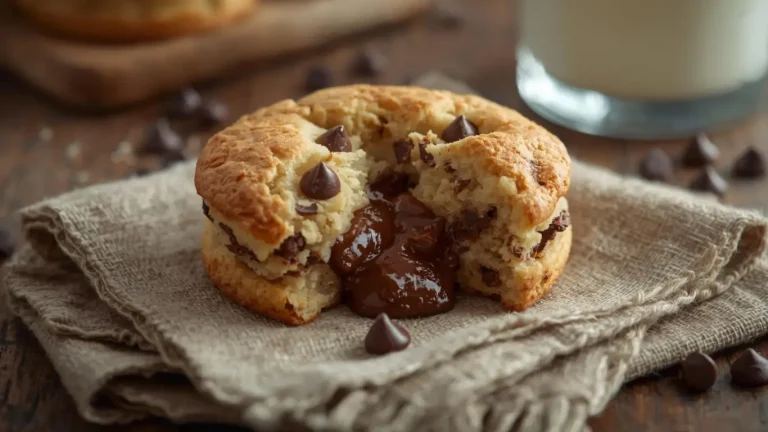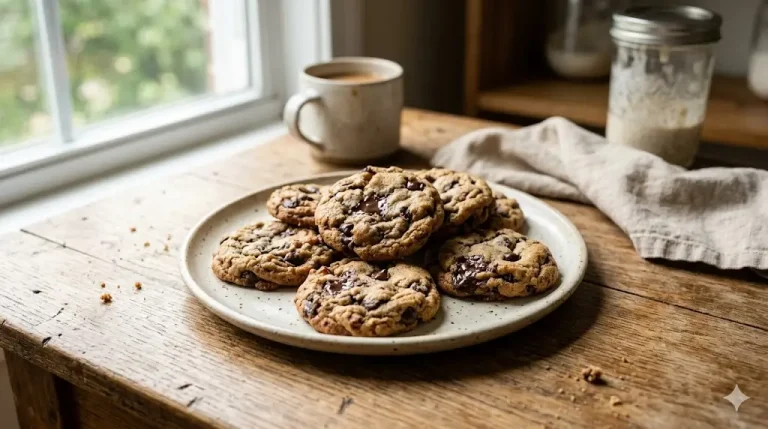
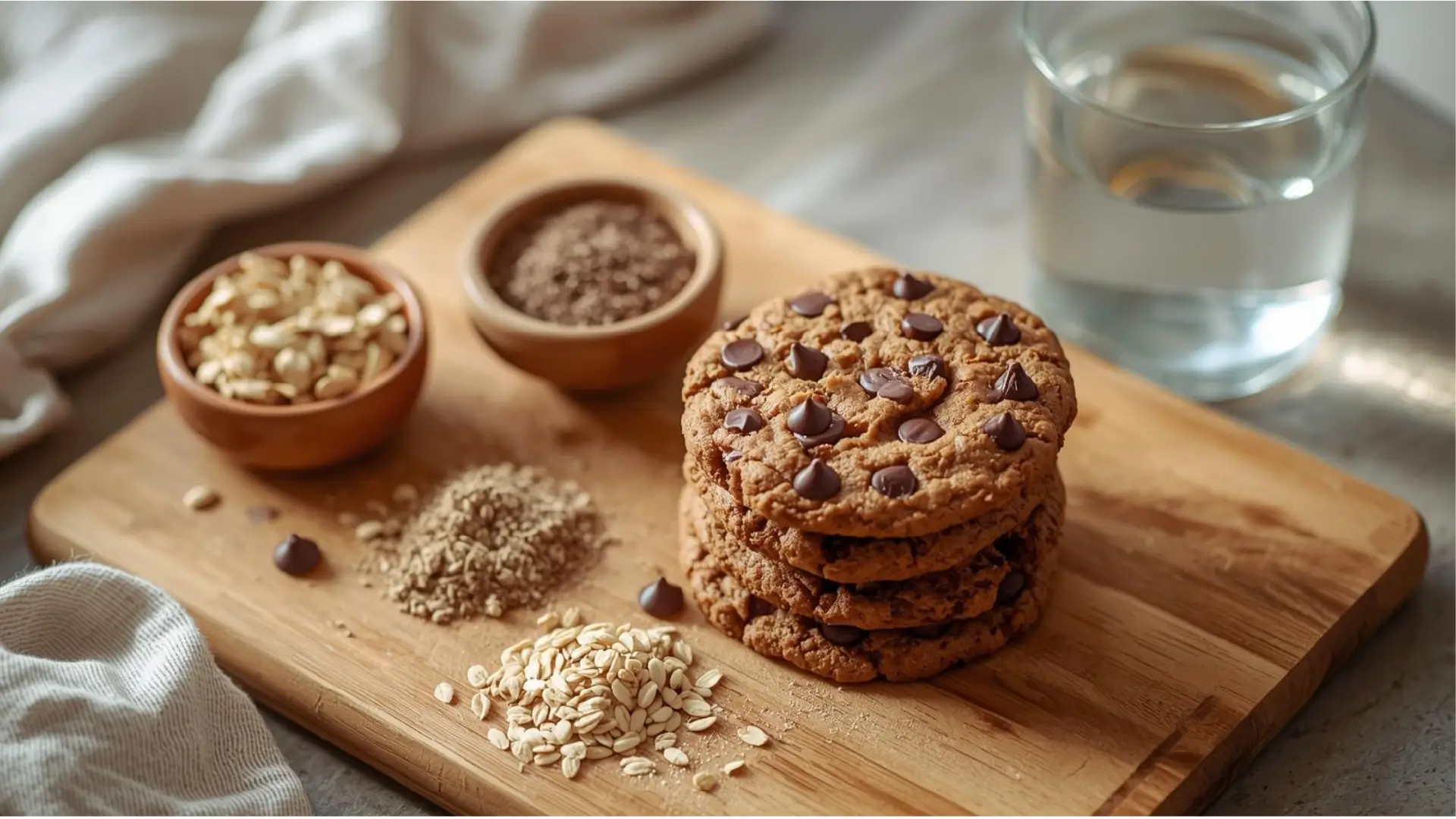
Did you know that up to 75% of breastfeeding mothers experience concerns about milk supply at some point during their nursing journey, yet a simple, delicious cookie recipe could offer natural support? Lactation cookies have become a beloved solution for nursing mothers worldwide, combining science-backed galactagogues—ingredients that may help support milk production—with the comforting pleasure of homemade treats. These nutrient-dense lactation cookies aren’t just functional; they’re genuinely delicious, featuring wholesome ingredients like oats, flaxseed, and brewer’s yeast that work together to potentially boost milk supply while satisfying your sweet tooth. Whether you’re a new mom navigating the early weeks of breastfeeding, an experienced mother looking to maintain supply during growth spurts, or simply seeking nutritious postpartum snacks, these breastfeeding cookies provide convenient, grab-and-go nutrition. This 7-step recipe for nursing mother cookies combines traditional wisdom with modern nutritional science, creating lactation support cookies that have earned thousands of five-star reviews from grateful moms who appreciate both their effectiveness and exceptional taste.
Ingredients List
Create these nourishing lactation cookies with carefully selected ingredients:
- 3 cups old-fashioned rolled oats (use certified gluten-free oats if needed; steel-cut oats are too chewy, while quick oats lack texture—old-fashioned strikes the perfect balance)
- 1 ½ cups all-purpose flour (substitute with whole wheat flour for extra fiber, or use a 1:1 gluten-free baking blend for celiac-friendly lactation cookies)
- 1 cup unsalted butter, softened (coconut oil creates dairy-free lactation cookies, though texture will be slightly different; vegan butter also works beautifully)
- 1 cup packed brown sugar (coconut sugar offers a less refined option with subtle caramel notes and lower glycemic impact)
- ½ cup granulated sugar (reduce to ⅓ cup if you prefer less-sweet cookies that emphasize wholesome flavors)
- 2 large eggs at room temperature (flax eggs—2 tablespoons ground flaxseed plus 6 tablespoons water—serve double duty as egg replacers and galactagogues for vegan nursing mothers)
- ¼ cup ground flaxseed meal (golden flaxseed has a milder flavor than brown; freshly ground flaxseed provides maximum omega-3 benefits for both mom and baby)
- 4 tablespoons brewer’s yeast (not to be confused with baker’s yeast or nutritional yeast; brewer’s yeast is the key galactagogue in lactation cookies and available at health food stores)
- 2 tablespoons molasses (blackstrap molasses adds iron, which many postpartum mothers need; regular molasses works if blackstrap tastes too strong)
- 2 teaspoons vanilla extract (pure vanilla extract enhances overall flavor and makes these lactation cookies smell amazing)
- 1 teaspoon baking soda (ensures proper rise and tender texture)
- 1 teaspoon salt (balances sweetness and enhances flavors)
- 1 cup chocolate chips (semi-sweet, dark, or mini chips all work; some mothers add butterscotch or white chocolate chips for variety)
Optional power-boosting add-ins: chopped walnuts or almonds for extra protein and healthy fats, shredded coconut for additional nutrients, dried cranberries for tartness and vitamin C, or chia seeds for extra omega-3s and fiber.
Timing
These lactation cookies fit seamlessly into busy postpartum schedules:
- Preparation Time: 15 minutes
- Baking Time: 12-14 minutes per batch
- Cooling Time: 5 minutes
- Total Time: 32-34 minutes (for a single batch)
- Batch Yield: Approximately 36-40 cookies
Compared to store-bought lactation cookies that cost $2-4 per cookie and often contain preservatives and lower-quality ingredients, this homemade recipe saves approximately 75% in cost while delivering superior nutrition and taste. The streamlined process means even sleep-deprived new mothers can successfully bake these nourishing treats. Many nursing mothers prepare double or triple batches on weekends, freezing dough or baked cookies for convenient access throughout the week.
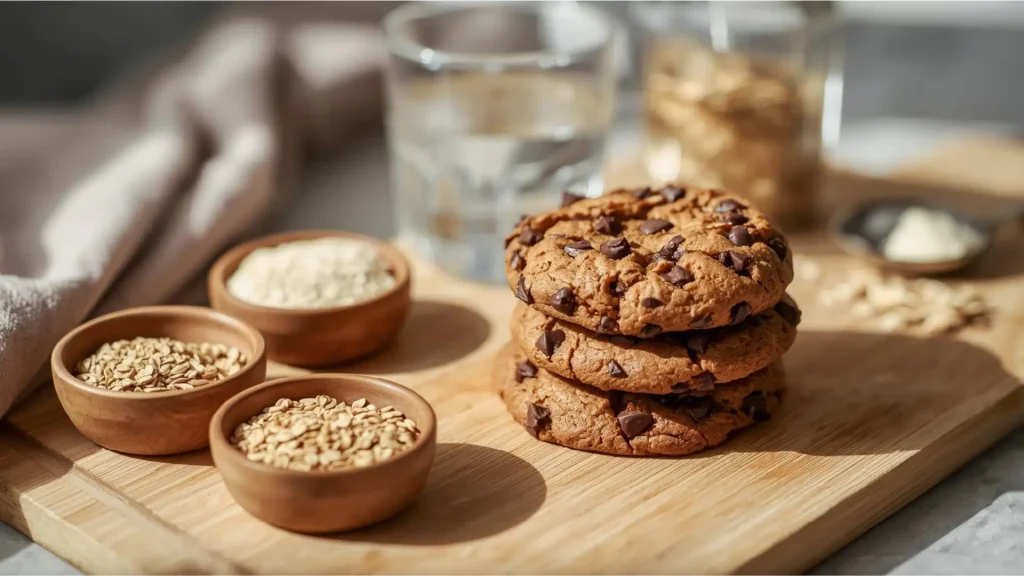
Step-by-Step Instructions
Step 1: Prepare Your Workspace
Preheat your oven to 350°F (175°C) and line two large baking sheets with parchment paper or silicone baking mats. Position oven racks in the upper and lower thirds for even heat distribution when baking multiple trays. Gather all ingredients and measuring tools—having everything ready streamlines the process, which is crucial when you might be interrupted by a hungry baby. Pro tip: If baking multiple batches, prepare a third baking sheet so you can load it while others bake, creating an efficient rotation that minimizes overall time in the kitchen.
Step 2: Cream Butter and Sugars
In a large mixing bowl, combine softened butter, brown sugar, and granulated sugar. Using an electric mixer on medium-high speed, beat for 3-4 minutes until the mixture becomes light, fluffy, and pale in color. Proper creaming incorporates air that creates tender lactation cookies rather than dense, heavy ones. The mixture should nearly double in volume and feel noticeably lighter when you lift the beaters. Scrape down the bowl sides periodically to ensure even mixing. Room temperature butter is crucial—cold butter won’t cream properly, while melted butter creates a different texture entirely.
Step 3: Add Wet Ingredients
Add eggs one at a time, beating well after each addition until fully incorporated. Add vanilla extract and molasses, mixing until the batter appears smooth and glossy. The molasses adds subtle sweetness and rich color while providing important iron for postpartum recovery—many nursing mothers are mildly anemic and benefit from this nutritional boost. Don’t worry if the mixture looks slightly curdled after adding molasses; it will come together when you add dry ingredients. At this stage, your kitchen should smell wonderfully warm and inviting.
Step 4: Combine Dry Ingredients
In a separate bowl, whisk together flour, ground flaxseed, brewer’s yeast, baking soda, and salt until evenly distributed. This pre-mixing ensures that brewer’s yeast—which can clump—distributes evenly throughout your lactation cookies. Gradually add the dry mixture to the wet ingredients in two or three additions, mixing on low speed until just combined after each addition. The dough will be thick and slightly sticky. Avoid overmixing once flour is added, as this develops gluten and creates tough cookies instead of tender ones.
Step 5: Fold in Oats and Mix-Ins
Add rolled oats and chocolate chips to the dough. Using a sturdy wooden spoon or spatula, fold gently until oats and chips are evenly distributed throughout. The oats are the star ingredient in lactation cookies—they’re rich in iron and contain beta-glucan, a fiber that may support prolactin levels related to milk production. Folding rather than mixing preserves the dough’s texture and prevents crushing the chocolate chips. If adding optional ingredients like nuts or dried fruit, incorporate them at this stage. The dough should be thick, cohesive, and studded with chocolate chips.
Step 6: Shape and Bake
Using a cookie scoop or tablespoon, portion dough into rounded mounds approximately 2 tablespoons each. Place on prepared baking sheets, spacing them 2 inches apart to accommodate spreading. For uniform lactation cookies, a #40 cookie scoop works perfectly and ensures consistent baking. Slightly flatten each dough ball with your palm—they won’t spread much during baking, so shaping helps create that classic cookie appearance. Bake for 12-14 minutes, until edges are golden brown but centers still appear slightly soft and underdone. The cookies will seem too soft when you remove them, but they firm up during cooling. Rotate baking sheets halfway through if your oven has hot spots.
Step 7: Cool and Store
Allow lactation cookies to cool on baking sheets for 5 minutes—they’re too soft to move immediately after baking. This resting period allows the structure to set. Transfer to wire cooling racks and cool completely before storing. While warm cookies are tempting (and delicious!), they’re fragile and break easily if moved too soon. Once cooled, these lactation cookies are ready to fuel your breastfeeding journey. Many nursing mothers keep them in a container on the counter for easy access during nighttime feedings or busy days.
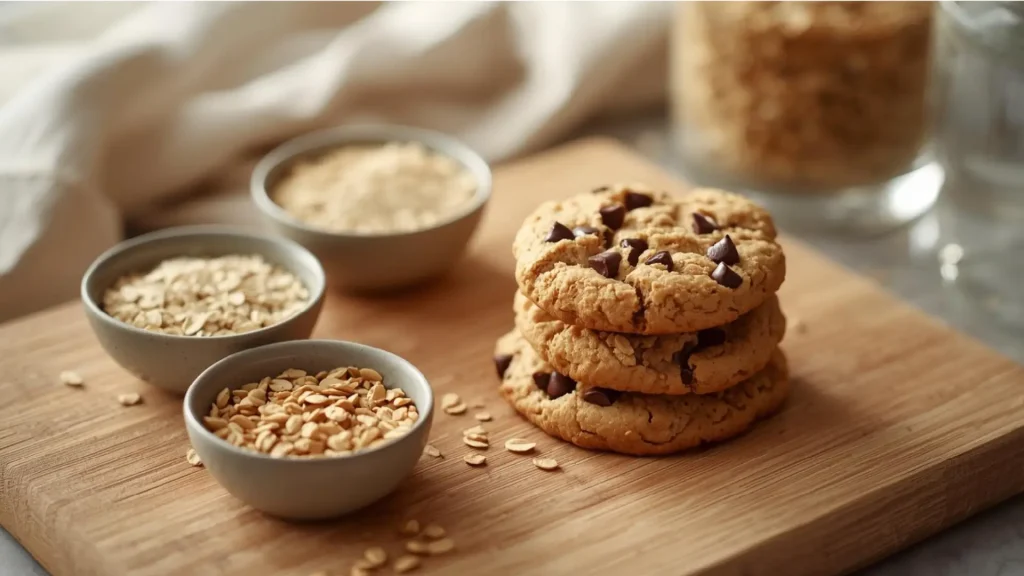
Nutritional Information
Each lactation cookie (based on 36 cookies per batch) provides:
- Calories: 168
- Total Fat: 8g (10% Daily Value)
- Saturated Fat: 4.5g (23% Daily Value)
- Trans Fat: 0g
- Polyunsaturated Fat: 1.2g (includes omega-3 from flaxseed)
- Cholesterol: 25mg (8% Daily Value)
- Sodium: 125mg (5% Daily Value)
- Total Carbohydrates: 22g (8% Daily Value)
- Dietary Fiber: 2g (7% Daily Value)
- Total Sugars: 12g
- Added Sugars: 10g
- Protein: 3.5g (7% Daily Value)
- Iron: 8% Daily Value (important for postpartum recovery)
- Calcium: 2% Daily Value
- Vitamin B6: 4% Daily Value (from brewer’s yeast)
- Folate: 6% Daily Value (from brewer’s yeast)
Nutritional Highlights for Nursing Mothers: These lactation cookies provide more than just potential galactagogue benefits. The combination of complex carbohydrates from oats, healthy fats from flaxseed, and protein creates sustained energy—crucial for mothers experiencing frequent night wakings and the increased caloric demands of breastfeeding (approximately 500 extra calories daily). Flaxseed contributes omega-3 fatty acids essential for infant brain development. Brewer’s yeast supplies B-vitamins that support energy metabolism and may help combat postpartum fatigue. The iron from molasses and oats helps replenish stores depleted during pregnancy and childbirth.
Healthier Alternatives for the Recipe
Customize these lactation cookies to meet specific dietary needs or health goals:
Reduce Sugar: Cut total sugar to 1 cup (¾ cup brown sugar plus ¼ cup white sugar) and increase vanilla to 1 tablespoon. This 33% reduction maintains sweetness while cutting 15 calories per cookie. The chocolate chips and molasses provide sufficient sweetness for most palates.
Whole Grain Version: Replace all-purpose flour with 100% whole wheat pastry flour or white whole wheat flour. This adds 1-2g fiber per cookie and increases B-vitamins while maintaining tender texture. Whole grains also support stable energy levels throughout your nursing day.
Protein Power: Add ¼ cup vanilla protein powder (reducing flour by ¼ cup to compensate) or incorporate ½ cup chopped almonds or walnuts. This boosts protein to 5-6g per cookie, enhancing satiety and supporting tissue repair during postpartum recovery.
Lower Fat Option: Replace half the butter with unsweetened applesauce or mashed banana. This cuts saturated fat by 50% while adding fruit nutrition. Cookies will be slightly softer and more cake-like but still delicious.
Sugar-Free Adaptation: Use a 1:1 sugar substitute like monk fruit sweetener or erythritol. While this significantly reduces calories, be aware that some artificial sweeteners may pass into breast milk. Natural options like monk fruit are generally considered safe during breastfeeding.
Vegan Lactation Cookies: Use flax eggs, vegan butter, and dairy-free chocolate chips. The double dose of flaxseed (from flax eggs and the recipe’s flaxseed meal) may provide enhanced galactagogue benefits.
Coconut Oil Version: Replace butter with coconut oil for dairy-free lactation cookies with medium-chain triglycerides that provide quick energy. Some mothers report coconut oil supports milk production through its lauric acid content, also found in breast milk.
Serving Suggestions
Maximize the nourishment and enjoyment of your lactation cookies:
Nursing Snack Station: Create a dedicated feeding area with a container of lactation cookies, a water bottle, and healthy snacks. Having nourishment within arm’s reach during nursing sessions ensures you maintain energy and hydration—both crucial for milk production.
Morning Energy Boost: Enjoy 2-3 lactation cookies with your morning coffee or tea, paired with a protein source like Greek yogurt or a hard-boiled egg. This combination provides sustained energy for tackling morning routines with a newborn.
Midnight Feeding Fuel: Keep lactation cookies on your nightstand for those frequent overnight feeding sessions. The complex carbohydrates provide quick energy without requiring you to leave your bedroom or wake fully, helping maintain milk supply during nighttime hours when prolactin levels peak.
Crumbled Over Yogurt: Break lactation cookies into pieces and sprinkle over Greek yogurt with fresh berries. This creates a balanced breakfast or snack combining protein, probiotics, fiber, and galactagogues—all beneficial for nursing mothers.
Gift for New Mothers: Package freshly baked lactation cookies in decorative tins or boxes as thoughtful gifts for pregnant friends or new mothers. Include the recipe card and a note about their benefits. This practical gift is often more appreciated than flowers or traditional baby gifts.
Postpartum Meal Train Contribution: Add lactation cookies to meal train offerings for new mothers. Unlike casseroles requiring reheating, these shelf-stable treats provide convenient grab-and-go nutrition when caring for a newborn feels overwhelming.
Freezer Smoothie Base: Crumble lactation cookies into freezer bags with bananas, berries, and greens. When needed, blend with milk for a nutrient-dense lactation smoothie that’s even more convenient than eating cookies.
Common Mistakes to Avoid
Ensure perfect lactation cookies by avoiding these typical pitfalls:
Using the Wrong Type of Yeast: This is the most critical mistake. Brewer’s yeast (also called nutritional brewer’s yeast) is completely different from baker’s yeast or nutritional yeast. Only brewer’s yeast contains the specific compounds believed to support lactation. Using baker’s yeast will ruin the recipe, while nutritional yeast won’t provide potential galactagogue benefits.
Overmixing the Dough: Once flour is added, mix only until just combined. Overmixing develops gluten, creating tough, dense lactation cookies rather than tender, crumbly ones. The dough should look slightly rough, not smooth and homogeneous.
Skipping the Flaxseed: Some bakers omit flaxseed thinking it’s optional, but it’s one of the key ingredients that makes these lactation cookies potentially effective. Flaxseed contains lignans and omega-3 fatty acids that may support hormone balance and milk production.
Overbaking: Lactation cookies should be removed when edges are golden but centers still look slightly underdone. They continue baking from residual heat. Overbaked cookies become dry and hard, losing their chewy appeal and making them less enjoyable during those frequent snacking sessions.
Not Measuring Brewer’s Yeast Correctly: Too little won’t provide potential benefits; too much creates an overly bitter, unpleasant taste. Use exactly 4 tablespoons and ensure it’s evenly distributed throughout the dough by mixing it with other dry ingredients first.
Using Old Ingredients: Brewer’s yeast and flaxseed contain oils that can go rancid. Store both in the refrigerator or freezer and check expiration dates. Rancid ingredients create off-flavors and reduce nutritional benefits. Baking soda older than 6 months loses leavening power, resulting in flat cookies.
Expecting Immediate Results: While some mothers notice increased milk supply within 24-48 hours of eating lactation cookies, others may need several days or a week of consistent consumption (2-3 cookies daily). These aren’t magic bullets but rather one tool in a comprehensive approach to breastfeeding support.
Storing Tips for the Recipe
Preserve freshness and maintain access to these valuable lactation cookies:
Room Temperature Storage: Store completely cooled lactation cookies in an airtight container at room temperature for up to 5 days. Layer parchment paper between cookies to prevent sticking. Keep containers away from direct sunlight and heat sources. The oats and flaxseed make these cookies stay moist naturally.
Refrigerated Storage: Extend freshness up to 2 weeks by refrigerating lactation cookies in airtight containers. This is especially beneficial in hot, humid climates where baked goods spoil quickly. Bring cookies to room temperature before eating, or warm briefly in the microwave (10-15 seconds) to restore soft texture.
Freezing Baked Cookies: Lactation cookies freeze beautifully for up to 3 months. Flash-freeze by arranging cooled cookies on a baking sheet in a single layer and freezing until solid (about 2 hours), then transfer to freezer bags. This prevents clumping and allows you to remove individual cookies as needed. Thaw at room temperature for 30 minutes or microwave for 20-30 seconds for warm cookies.
Freezing Cookie Dough: This is the ultimate convenience for busy nursing mothers. Scoop dough into portions, freeze on a baking sheet until solid, then store in freezer bags for up to 3 months. Bake directly from frozen, adding 2-3 extra minutes to baking time. This means fresh-baked lactation cookies whenever you need them without the full preparation process.
Meal Prep Strategy: Many mothers use their partner’s help or a weekend afternoon to prepare 2-3 batches of lactation cookies, freezing both dough and baked cookies. This creates a reliable supply throughout challenging postpartum weeks without repeated baking sessions.
Travel-Friendly Packing: For on-the-go nursing mothers, individually wrap lactation cookies in plastic wrap or place in small sandwich bags. Store in your diaper bag for convenient nutrition during outings, medical appointments, or travel. They don’t require refrigeration and maintain freshness for several days.
Maintaining Ingredient Freshness: Store ground flaxseed meal and brewer’s yeast in the refrigerator or freezer to prevent rancidity. Buy in smaller quantities if you’re not baking frequently. Fresh ingredients ensure maximum potential benefits and best flavor in your lactation cookies.
Conclusion
These 5-star lactation cookies combine science-backed galactagogues with delicious homemade goodness through a simple 7-step process. Featuring oats, flaxseed, and brewer’s yeast, they provide nourishment and potential breastfeeding support while satisfying your sweet tooth. Perfect for busy nursing mothers, these cookies offer convenient, nutritious snacking during the demanding postpartum period.
Ready to support your breastfeeding journey? Try these lactation cookies today and join thousands of mothers who’ve made this their go-to postpartum recipe. Share your experience in the review section below—we’d love to hear how these cookies worked for you and any creative variations you tried! Leave a comment with questions or tips for fellow nursing mothers. Subscribe to our blog for more postpartum recipes, breastfeeding support, and new mom wellness content delivered to your inbox!
FAQs
How many lactation cookies should I eat per day?
Most lactation consultants and mothers report success with 2-3 cookies daily, though some eat more during growth spurts or when milk supply dips. Start with 2-3 cookies and adjust based on your needs and how you feel. Remember that lactation cookies work best as part of a comprehensive approach including adequate hydration, frequent nursing or pumping, and proper nutrition.
When will I see results from eating lactation cookies?
Response time varies by individual. Some mothers notice increased milk supply or easier letdown within 24-48 hours, while others need 3-7 days of consistent consumption. Factors affecting response include overall diet, hydration, nursing frequency, stress levels, and individual body chemistry. If you see no improvement after a week, consult a lactation consultant to address other potential supply issues.
Are lactation cookies safe while breastfeeding?
Yes, lactation cookies are generally safe for nursing mothers and contain whole food ingredients. However, some mothers are sensitive to brewer’s yeast and may experience digestive upset. Start with one cookie to assess tolerance. If you have celiac disease, ensure all ingredients are certified gluten-free. Consult your healthcare provider if you have specific dietary concerns or medical conditions.
Can I make lactation cookies without brewer’s yeast?
While you can omit brewer’s yeast, it’s one of the most researched galactagogues in lactation cookies and its absence reduces potential effectiveness. If you can’t tolerate brewer’s yeast, you’ll still benefit from the oats and flaxseed, which also support lactation. Consider adding extra flaxseed (increase to ⅓ cup) or trying other galactagogues like fenugreek powder (1-2 teaspoons).
Do lactation cookies really work?
Scientific evidence is mixed, but many mothers report positive experiences. Oats contain beta-glucan that may affect prolactin levels, flaxseed provides essential fatty acids supporting hormone balance, and brewer’s yeast supplies B-vitamins crucial for milk production. However, effectiveness varies individually. Lactation cookies work best alongside frequent nursing, adequate hydration (90-100 ounces water daily), and proper nutrition. They’re supportive tools rather than guaranteed solutions.
Can I eat lactation cookies if I’m not breastfeeding?
Absolutely! These are simply nutritious, delicious oat cookies. The galactagogue ingredients won’t affect milk production in non-nursing individuals—they’re just wholesome foods. The oats, flaxseed, and brewer’s yeast provide beneficial nutrients for anyone. However, brewer’s yeast may cause digestive issues in some people regardless of nursing status.