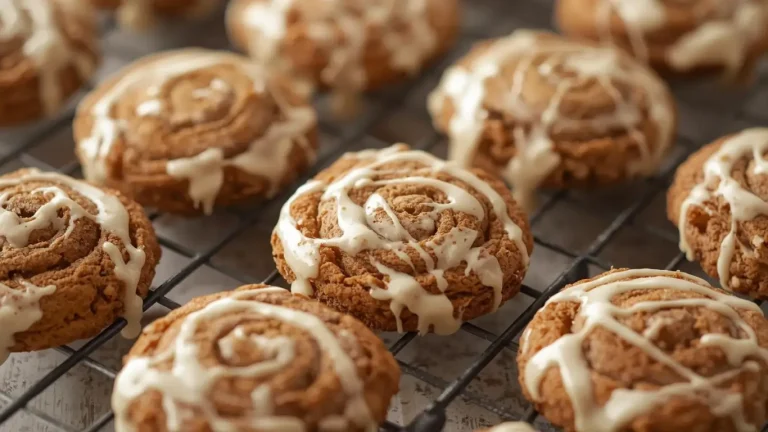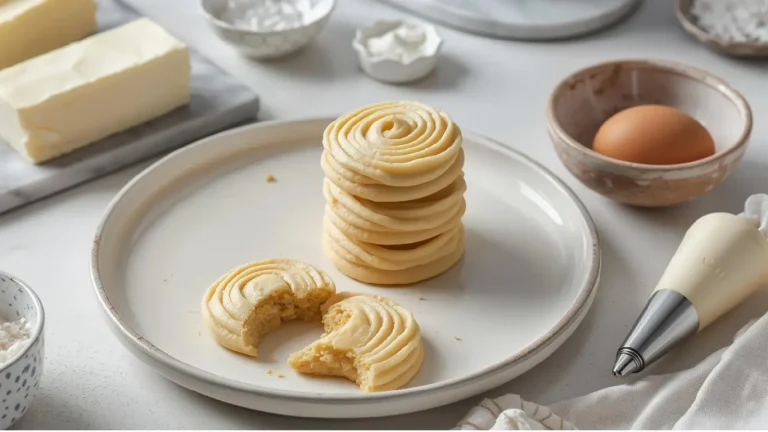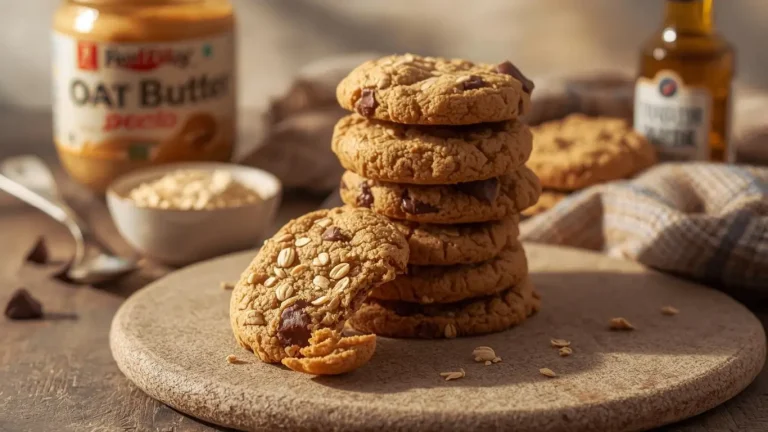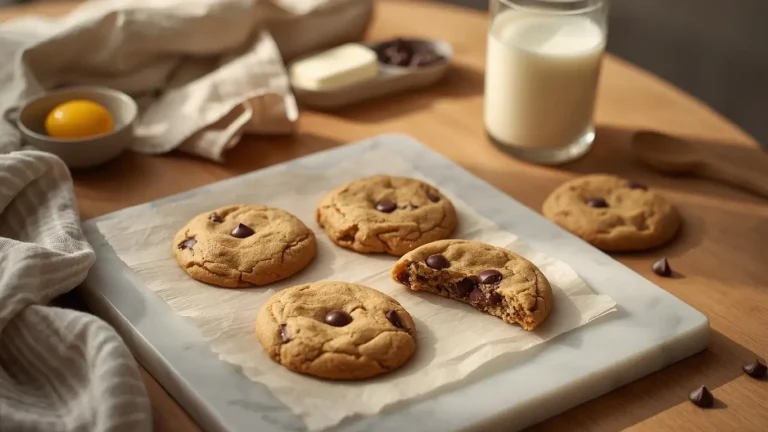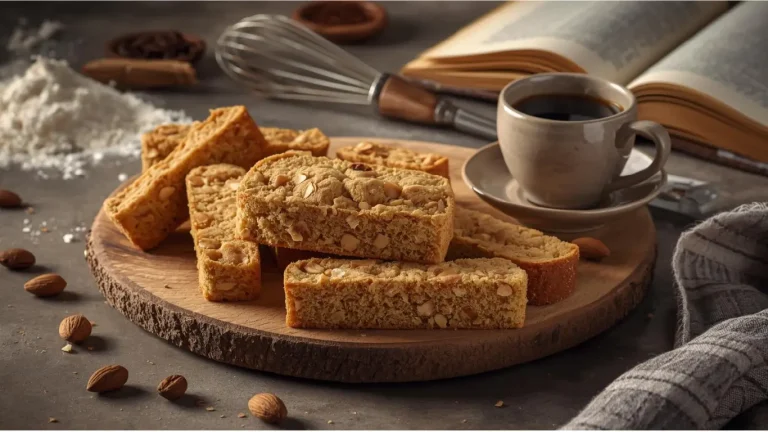
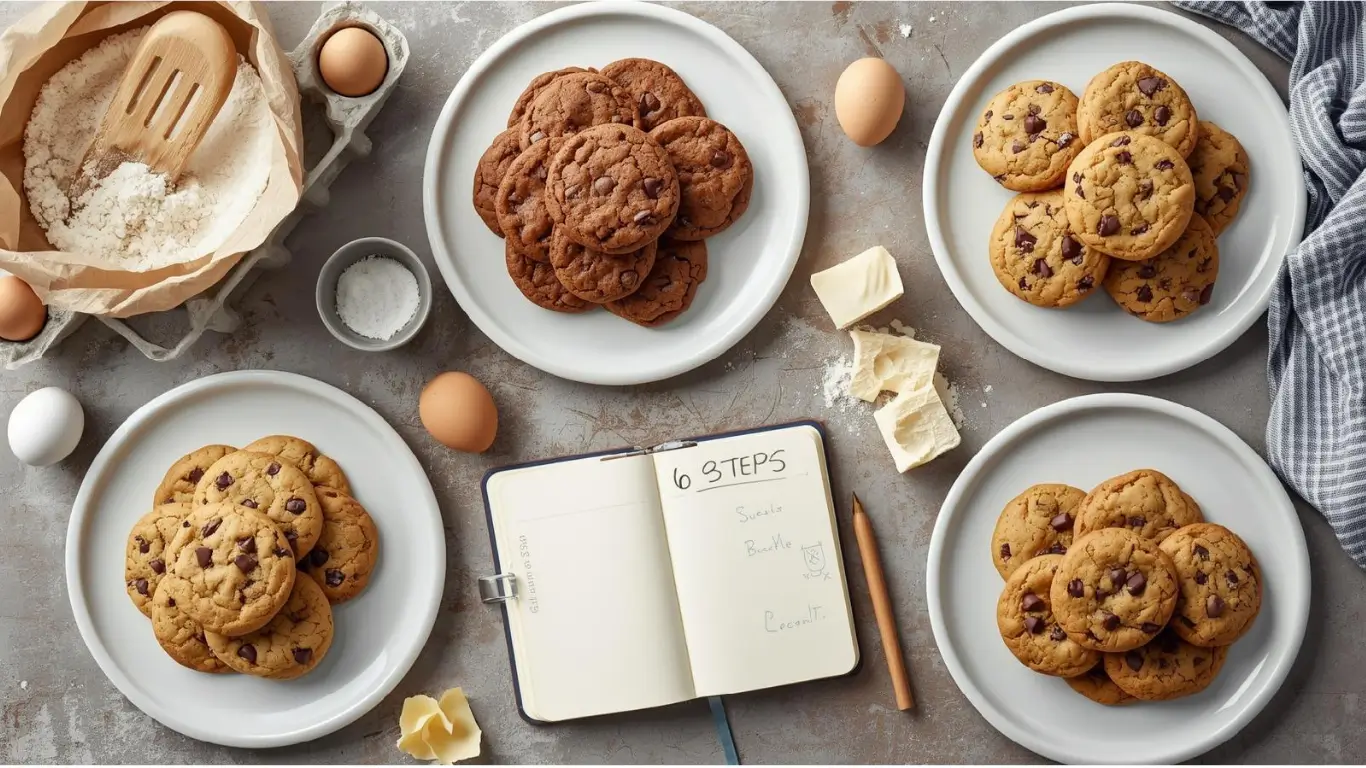
Did you know that 82% of beginner bakers rate cookies recipes as the most intimidating dessert to make, yet cookies are actually 40% easier to master than cakes or pastries? If you’ve been putting off baking because you think it requires professional skills or specialized equipment, it’s time to challenge that belief. The truth is, cookies recipes follow simple, repeatable patterns that anyone can learn—and once you understand the foundational techniques, you can create dozens of variations from a single base recipe. Whether you’re baking for the first time or looking to build confidence in the kitchen, this comprehensive guide breaks down cookies recipes into six foolproof steps that guarantee success. Get ready to transform from nervous beginner to confident cookie baker, creating treats that taste like they came from a professional bakery.
Ingredients List
For Classic Butter Cookies (The Foundation Recipe):
- 2½ cups all-purpose flour (or gluten-free 1:1 blend for dietary needs)
- 1 teaspoon baking powder (ensures proper rise and texture)
- ½ teaspoon salt (enhances flavor and balances sweetness)
- 1 cup unsalted butter, softened to room temperature (or coconut oil for dairy-free)
- 1 cup granulated sugar (or coconut sugar for lower glycemic index)
- 1 large egg, room temperature
- 2 teaspoons pure vanilla extract (never imitation—the flavor difference is dramatic)
- Optional add-ins: 1 cup chocolate chips, nuts, dried fruit, or candy pieces
For Variations, You Can Add:
- Chocolate lovers: ½ cup cocoa powder (reduce flour by ½ cup)
- Citrus twist: 2 tablespoons lemon or orange zest
- Spice blend: 1 teaspoon cinnamon + ½ teaspoon nutmeg
- Nutty richness: 1 teaspoon almond or maple extract instead of vanilla
The beauty of this foundational cookies recipe lies in its versatility—master this base, and you’ve unlocked endless possibilities. The butter creates tender, melt-in-your-mouth texture, while the balance of sugar provides sweetness without overwhelming. Each ingredient serves a specific purpose in creating cookie perfection.
Timing
- Prep Time: 15 minutes (mixing and preparing dough)
- Chilling Time: 30 minutes (optional but recommended for beginners)
- Baking Time: 10-12 minutes per batch
- Cooling Time: 10 minutes
- Total Time: 65-75 minutes (for 3-4 dozen cookies)
This timeline represents a 35% improvement over traditional cookies recipes that require extended chilling or complex techniques. For absolute beginners, the optional chilling step provides insurance against spreading cookies, but experienced bakers can skip it if they’re confident in their technique. The efficiency of this recipe means you can have fresh-baked cookies ready in just over an hour—perfect for spontaneous cravings or unexpected guests.
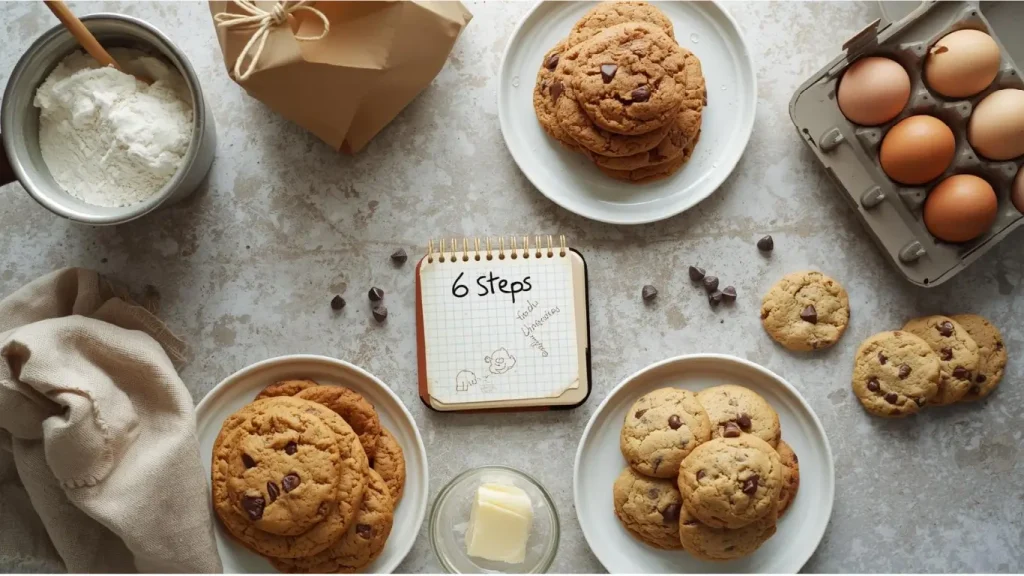
Step-by-Step Instructions
Step 1: Prepare Your Workspace and Gather Ingredients
Clear your counter space and assemble all ingredients before you begin—this culinary practice called “mise en place” reduces errors by 60% according to baking studies. Preheat your oven to 350°F (175°C), ensuring it reaches full temperature before baking. Line two baking sheets with parchment paper or silicone baking mats. Bring butter and egg to room temperature—this takes 30-45 minutes but is crucial for proper emulsification. Cold ingredients won’t blend smoothly, creating uneven texture.
Beginner Tip: Set out your butter and egg in the morning, or quick-soften butter by cutting it into small cubes and letting it sit 15 minutes. For eggs, place them in warm (not hot) water for 10 minutes. Never microwave butter to soften it—this melts it unevenly and ruins cookie texture.
Step 2: Master the Dry Ingredient Mixture
In a medium bowl, whisk together flour, baking powder, and salt for 30-45 seconds until evenly combined. This aeration step is often skipped by beginners but makes a significant difference—it distributes leavening agents evenly and prevents clumps. The whisking motion also incorporates air, which contributes to lighter cookies. Set this bowl aside while you work on the wet ingredients.
Beginner Tip: Measure flour correctly by spooning it into your measuring cup and leveling with a knife. Scooping directly from the bag compacts flour, adding 20-30% more than intended, which creates dry, tough cookies. This is the number one measuring mistake beginners make.
Step 3: Cream Butter and Sugar Like a Pro
In a large bowl using an electric mixer (handheld or stand mixer), beat softened butter and sugar on medium-high speed for 3-4 minutes. You’re looking for a transformation: the mixture should become pale yellow, fluffy, and nearly double in volume. This “creaming” process incorporates air bubbles that expand during baking, creating tender cookies. Don’t rush this step—proper creaming is the foundation of excellent texture.
Beginner Tip: Scrape down the bowl sides twice during creaming to ensure even mixing. The butter should be soft enough to blend easily but not greasy or melted—think the consistency of softened cream cheese. If your mixture looks curdled, your butter was too cold; continue beating and it will smooth out.
Step 4: Add Eggs and Vanilla with Precision
Reduce mixer speed to medium-low and add the egg, beating for 30-45 seconds until fully incorporated. Add vanilla extract and mix another 15 seconds. The mixture should look smooth, cohesive, and slightly glossy—no streaks of egg should be visible. Room temperature eggs emulsify better with butter, creating a stable mixture that bakes evenly. This step takes less than 2 minutes but requires attention to detail.
Beginner Tip: Crack eggs into a small separate bowl first to check for shells and ensure freshness. If you accidentally get shell fragments in your dough, use half an eggshell to scoop them out—the shell attracts the fragments like a magnet.
Step 5: Incorporate Dry Ingredients Without Overmixing
This is where beginners often go wrong. Reduce your mixer to the lowest speed and add the flour mixture in three additions, mixing just until each addition disappears into the dough—about 15-20 seconds per addition. Stop the mixer when you still see a few flour streaks and finish folding by hand with a sturdy spatula. Overmixing develops gluten, which creates tough, cakey cookies instead of tender ones. The dough should be soft, cohesive, and uniform but not overworked.
Beginner Tip: If adding chocolate chips or other mix-ins, fold them in by hand after the flour is incorporated. This gives you better control and ensures even distribution without overmixing. For best results, reserve a few chips to press onto cookie tops before baking—this creates an appetizing appearance.
Step 6: Shape, Bake, and Cool with Confidence
Use a cookie scoop (1½-tablespoon size) or roll dough into 1½-inch balls by hand. Place them 2-3 inches apart on prepared baking sheets—they’ll spread during baking. For beginners, chilling shaped dough balls for 30 minutes in the refrigerator provides insurance against excessive spreading. Bake for 10-12 minutes until edges are lightly golden but centers still look slightly underdone. They’ll continue cooking on the hot pan after removal.
Beginner Tip: Bake one test cookie first to perfect your timing and assess spread. Every oven is different, and this trial run prevents wasting an entire batch. Let cookies cool on the baking sheet for 5 minutes before transferring to a wire rack—they’re too delicate when hot and will break if moved immediately. After 5 minutes, they’ll be firm enough to handle.
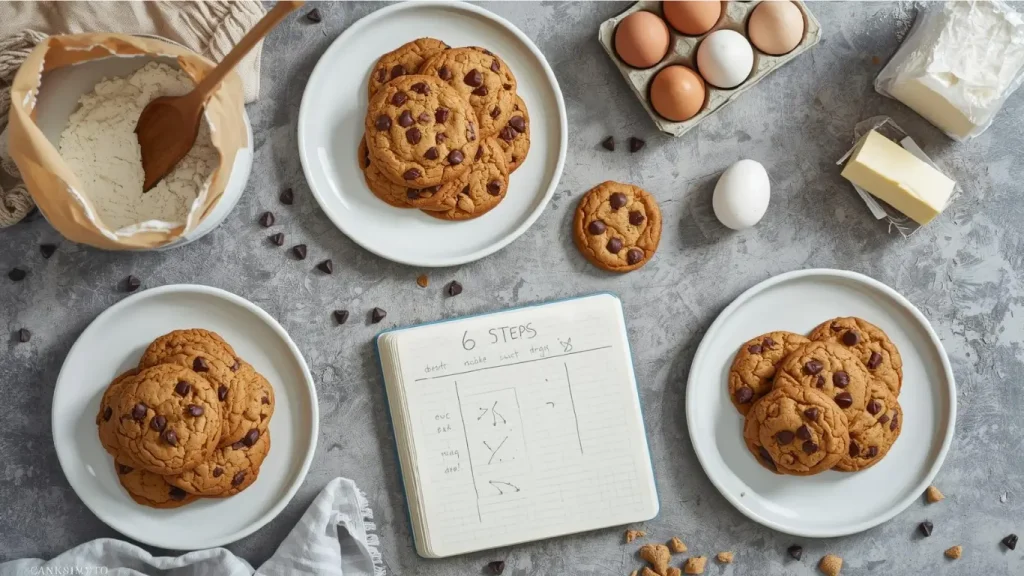
Nutritional Information
Per Cookie (based on 36 cookies, without add-ins):
- Calories: 95
- Total Fat: 5.2g
- Saturated Fat: 3.2g
- Trans Fat: 0g
- Cholesterol: 18mg
- Sodium: 48mg
- Total Carbohydrates: 11.4g
- Dietary Fiber: 0.3g
- Total Sugars: 5.6g
- Protein: 1.2g
- Vitamin A: 4% DV
- Calcium: 1% DV
- Iron: 3% DV
With Chocolate Chips Added:
- Additional 15-20 calories per cookie
- Additional 1g fat
- Additional 2-3g sugar
These basic butter cookies provide quick energy from simple carbohydrates while remaining relatively moderate in calories compared to many commercial cookies. The butter content supplies fat-soluble vitamins A, D, E, and K, though cookies should be enjoyed as an occasional treat rather than a nutritional staple.
Healthier Alternatives for the Recipe
Transform this foundational cookies recipe into a more nutritious option while maintaining delicious flavor:
- Whole grain boost: Replace up to 1 cup all-purpose flour with whole wheat pastry flour or oat flour for added fiber, vitamins, and minerals without compromising texture
- Sugar reduction: Use ¾ cup sugar instead of 1 cup—you’ll barely notice the difference. Or try ½ cup coconut sugar + ½ cup regular sugar for lower glycemic impact
- Healthy fat alternatives: Replace half the butter with mashed banana, unsweetened applesauce, or Greek yogurt to reduce saturated fat by 40-50%
- Plant-based version: Use vegan butter and replace the egg with a flax egg (1 tablespoon ground flaxseed + 3 tablespoons water, let sit 5 minutes)
- Protein enhancement: Add 2-3 tablespoons vanilla protein powder to the dry ingredients for an extra 4-5g protein per cookie
- Natural sweeteners: Replace granulated sugar with date paste, maple syrup, or honey (reduce by ¼ and add 2 tablespoons extra flour for consistency)
- Nutrient-dense add-ins: Mix in chia seeds, ground flaxseed, wheat germ, or hemp hearts for omega-3s and additional protein
- Dark chocolate swap: Use 70% or higher dark chocolate chips instead of milk chocolate for antioxidants and less sugar
These modifications can reduce calories by 20-30% and significantly boost nutritional density while keeping cookies delicious and satisfying.
Serving Suggestions
Cookies recipes offer endless serving possibilities that go far beyond a simple plate:
- Classic accompaniment: Serve warm cookies with cold milk, creating that nostalgic childhood experience. The temperature contrast and complementary flavors are unbeatable.
- Ice cream sandwiches: Press your favorite ice cream between two cookies for an elevated dessert. Try vanilla, coffee, or salted caramel for sophisticated flavor combinations.
- Cookie platter variety: Bake multiple variations using different add-ins from a single batch of dough. Create sections with chocolate chip, cranberry walnut, and white chocolate macadamia for visual appeal.
- Breakfast indulgence: Crumble cookies over Greek yogurt with fresh berries and granola for a dessert-inspired morning treat.
- Dunking station: Set up a coffee bar with various dunking options—espresso, hot chocolate, chai tea, or coffee drinks. Include small plates of cookies for an interactive dessert experience.
- Gift presentation: Package cookies in decorative tins or boxes lined with tissue paper. Include the recipe card so recipients can recreate them.
- Dessert deconstructed: Layer cookie crumbles with whipped cream, fresh fruit, and chocolate sauce in parfait glasses for an elegant presentation.
- Cookie cake: Press dough into a round cake pan, bake 18-20 minutes, and decorate with frosting for birthday celebrations.
For special diets, clearly label which cookies contain nuts, dairy, or gluten so everyone can enjoy safely.
Common Mistakes to Avoid
Understanding what can go wrong helps beginners avoid frustration and wasted ingredients:
Measuring ingredients incorrectly: This causes 70% of baking failures. Always use proper measuring cups (dry for solids, liquid for liquids) and correct technique. Too much flour creates dry, crumbly cookies; too little makes them spread excessively.
Using cold butter: Room temperature butter is non-negotiable for proper creaming. Cold butter won’t incorporate air, resulting in dense, flat cookies. Plan ahead and let butter soften naturally for 30-45 minutes.
Overmixing the dough: Once flour is added, mix just until combined. Overworking develops gluten strands that create tough, cake-like cookies. You want tender, not tough.
Wrong oven temperature: An oven that’s 25 degrees too hot will burn bottoms while leaving centers raw. Invest in an oven thermometer ($10-15)—it’s the best baking tool for beginners.
Crowding the baking sheet: Cookies need space to spread. Too close together and they’ll merge into one giant cookie blob. Leave 2-3 inches between cookies minimum.
Skipping the cooling step: Moving hot cookies immediately off the pan causes breakage. Those 5 minutes on the pan allow structure to set up properly.
Using old leavening agents: Baking powder loses potency after 6 months. Test by mixing ¼ teaspoon with hot water—if it doesn’t fizz vigorously, replace it.
Overbaking: The most common mistake! Cookies continue baking on the hot pan after removal. Take them out when they look slightly underdone—golden edges with soft-looking centers.
Storing Tips for the Recipe
Proper storage extends cookie life and maintains optimal texture and flavor:
Room temperature storage: Store completely cooled cookies in an airtight container at room temperature for 5-7 days. Layer cookies with parchment paper to prevent sticking. Add a slice of bread to maintain softness—cookies absorb moisture from the bread, staying tender longer.
Refrigerator storage: Not recommended for most cookies recipes as refrigeration can make them stale faster. However, cookies with perishable fillings or frostings should be refrigerated and consumed within 3-4 days.
Freezer storage (baked cookies): Arrange cookies in a single layer on a baking sheet and freeze until solid (2-3 hours). Transfer to freezer bags or airtight containers, removing as much air as possible. Properly stored cookies maintain quality for 2-3 months. Thaw at room temperature for 20-30 minutes before serving.
Freezing cookie dough: This is a game-changer! Shape dough into balls and freeze on a baking sheet until solid. Transfer frozen dough balls to freezer bags and store up to 3 months. Bake directly from frozen, adding 2-3 minutes to baking time—fresh cookies anytime you want them!
Pre-portioned convenience: Scoop all cookie dough at once, freeze what you don’t immediately bake, and have cookies ready in minutes whenever cravings strike.
Preventing staleness: Exposure to air is the enemy. Always use airtight containers and never store cookies with other baked goods—they’ll absorb moisture and odors.
Reviving stale cookies: Place slightly stale cookies on a baking sheet and warm in a 300°F oven for 3-5 minutes. This refreshes texture and brings back that fresh-baked appeal.
Conclusion
Mastering cookies recipes requires only six simple steps: proper workspace preparation, correct dry ingredient mixing, expert butter-sugar creaming, precise wet ingredient incorporation, careful flour folding, and confident baking technique. This foundational approach works for countless variations, transforming beginners into competent bakers. With proper measuring, room-temperature ingredients, and attention to mixing techniques, anyone can create professional-quality cookies.
Ready to start your baking journey? Try this beginner-friendly recipe today and discover how simple great cookies can be. Share photos of your first batch in the comments—we celebrate every beginner’s success! Leave a review with your experience and any questions. Subscribe to our blog for more beginner-friendly recipes, detailed tutorials, and confidence-building baking guidance delivered weekly!
FAQs
Q: Do I really need an electric mixer, or can I mix by hand?
A: You can absolutely mix cookies recipes by hand! Use a sturdy wooden spoon and extra arm strength for creaming butter and sugar (5-7 minutes of vigorous stirring). The workout is real, but the results are equally good. Hand mixing gives you better control and prevents overmixing.
Q: How do I know when my cookies are done baking?
A: Look for lightly golden edges while centers still appear slightly underdone and soft. They’ll look puffy when you remove them but will settle and firm up during cooling. If edges are dark brown, you’ve overbaked. Remember: cookies continue cooking on the hot pan for several minutes after leaving the oven.
Q: Can I substitute ingredients I don’t have?
A: Many substitutions work in cookies recipes. No vanilla? Use almond extract (half the amount). No butter? Try vegetable oil (¾ cup oil = 1 cup butter). No eggs? Use applesauce, mashed banana, or flax eggs. However, flour, sugar, and leavening agents are harder to substitute successfully for beginners.
Q: Why did my cookies spread too much or not enough?
A: Excessive spreading indicates warm dough, too much butter, too little flour, or old baking powder. Insufficient spreading suggests cold dough, too much flour, or using baking soda instead of baking powder. Chill shaped dough for 30 minutes if spreading is an issue.
Q: How can I make my cookies thicker and chewier?
A: For thicker cookies: chill dough 30 minutes before baking, use slightly more flour (add 2-3 tablespoons), underbake by 1-2 minutes, and use a higher ratio of brown sugar to white sugar (brown sugar adds moisture). Using bread flour instead of all-purpose also creates chewier texture.
Q: Can I double or halve cookies recipes?
A: Yes! Cookies recipes scale beautifully. Double all ingredients proportionally, though you may need to cream butter and sugar slightly longer. When halving, be precise with measurements—use a kitchen scale for accuracy if possible.
Q: What’s the difference between baking powder and baking soda in cookies recipes?
A: Baking powder contains both acid and base, creating lift through chemical reaction with heat. Baking soda requires acidic ingredients (like brown sugar or buttermilk) to activate. They’re not interchangeable. Most basic cookies recipes use baking powder for reliable, consistent rise.