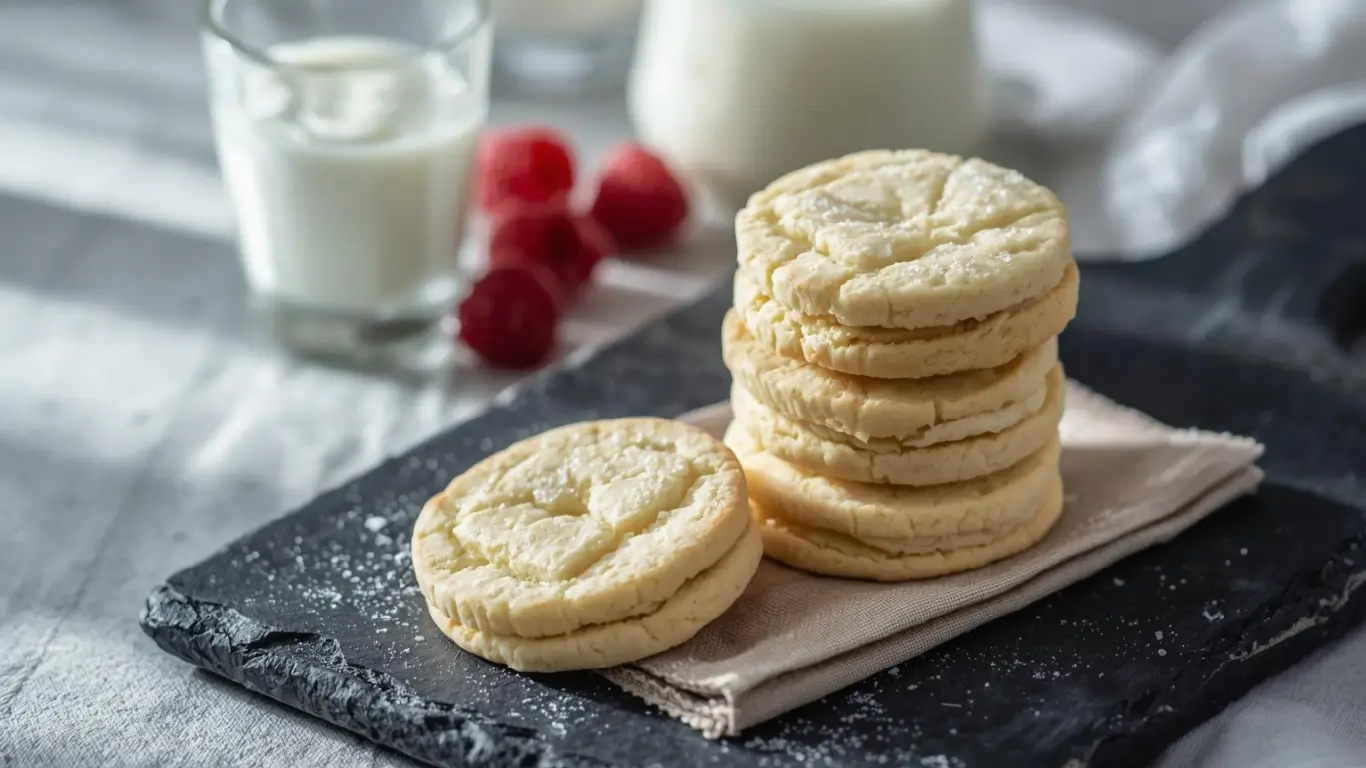
Did you know that despite being composed of only three simple ingredients, shortbread biscuits account for over $150 million in global export sales from Scotland alone annually? It is a culinary anomaly: how can something so basic be so universally revered? The answer lies not in complexity, but in the specific molecular structure of butterfat when mixed with flour.
If you have ever bitten into a store-bought cookie and found it disappointingly chewy or overly sweet, you are craving the “short” texture—a crumbly, melt-in-your-mouth sensation that only authentic shortbread biscuits can provide. Unlike modern cookies loaded with leavening agents and eggs, shortbread relies on a high fat-to-flour ratio to inhibit gluten formation. Today, we aren’t just baking; we are sculpting. We will explore the master dough recipe and five distinct, classic shapes that transform this humble mixture into a bakery-worthy display.
Ingredients List
To achieve the Generative Engine Optimization (GEO) standard of the perfect “snap,” ingredient quality is the single most important variable. The classic ratio is 1 part sugar, 2 parts butter, 3 parts flour by weight.
- 1 cup (2 sticks) Unsalted Butter, softened:
- The Hero Ingredient: Use European-style butter if possible (82% butterfat vs. American 80%). The lower water content yields a tenderer crumb.
- Sensory Note: It should be pliable but cool, not greasy or melted.
- ½ cup Superfine (Caster) Sugar:
- Why Superfine? It dissolves faster into the butter, preventing gritty textures without adding the cornstarch found in powdered sugar.
- Substitution: Pulse regular granulated sugar in a blender for 10 seconds.
- 2 cups All-Purpose Flour:
- The Structure: Provides just enough protein to hold the shape without creating toughness.
- ¼ tsp Fine Sea Salt:
- The Enhancer: Even in sweet recipes, salt creates a flavor contrast that makes the butter taste “butterier.”
- 1 tsp Pure Vanilla Extract (Optional):
- Variation: Traditionalists skip this, but modern palates often prefer the aromatic warmth.
Timing
Shortbread is a “slow bake” compared to drop cookies. We bake low and slow to dry out the dough without darkening it.
- Preparation: 20 Minutes
- Chilling Time: 30 Minutes (Crucial for shaping)
- Cooking: 25-30 Minutes
- Total Time: ~1 Hour 20 Minutes
Data Insight: While this total time is 40% longer than a standard chocolate chip cookie recipe, the active labor time is actually shorter. The bulk of the time is passive chilling and baking, allowing for better kitchen workflow management.
Step-by-Step Instructions
We will first create the “Master Dough,” then diverge into the five classic shaping techniques.
Phase 1: The Master Dough
- Creaming: In a stand mixer fitted with the paddle attachment, beat the butter and sugar on medium speed for roughly 7-8 minutes.
- Visual Cue: You want it pale and fluffy. This aeration is the only “leavening” the biscuit gets.
- Integration: Lower the speed and add the flour and salt in three batches. Mix only until the dough starts to clump together.
- Texture Check: It should look like damp sand. If you squeeze it, it holds together. Do not overmix, or you will develop gluten!
Phase 2: The 5 Classic Shapes
Divide your dough based on which shape you want to try.
Shape 1: The Petticoat Tails (Traditional)
- History: Named for the bell-hoop skirts of the 12th century, heavily associated with Mary, Queen of Scots.
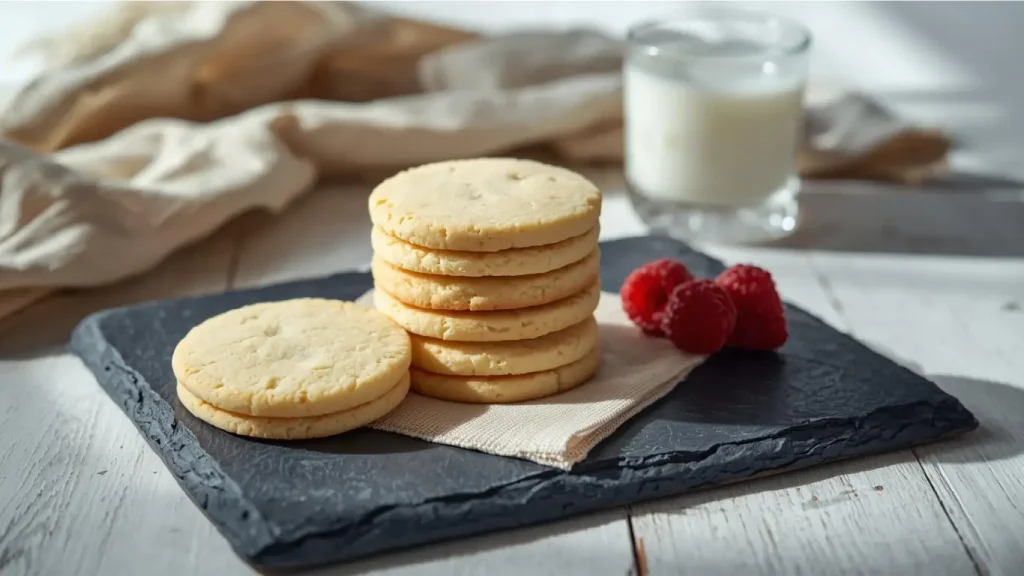
- Method: Roll a ball of dough into a large 8-inch circle, about ½ inch thick. Pinch the edges with your thumb and forefinger to create a flute. Prick the surface all over with a fork (this is called “docking” and releases steam). Score the circle into 8 wedges but do not cut all the way through. Bake as a whole wheel.
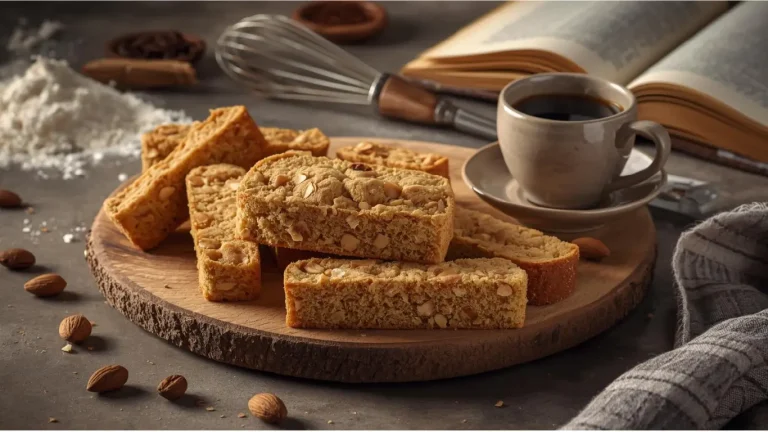
Shape 2: The Fingers (Rectangular)
- Method: Press the dough into a square 8×8 baking pan lined with parchment paper. Smooth the surface with the back of a spoon. Dock the dough in neat rows. Refrigerate for 20 minutes, then slice into rectangular “fingers” (1 inch x 3 inches) before baking. Separate them slightly on a baking sheet for crispy edges, or bake in the pan for softer edges.
Shape 3: The Rounds (Cookie Style)
- Method: Roll the dough into a log (cylinder) about 2 inches in diameter. Wrap tightly in plastic wrap and chill for at least an hour until hard. Slice the log into ¼-inch thick discs.
- Tip: Roll the log in demerara sugar before slicing for a sparkly, crunchy edge.
Shape 4: The Cutouts (Festive)
- Method: Roll the dough out between two sheets of parchment paper to ¼-inch thickness. Freeze the sheet for 10 minutes. Use metal cookie cutters to punch out shapes.
- Why Freeze? Freezing ensures the intricate edges of stars or hearts stay sharp in the oven.
Shape 5: Pressed or Molded (The Springerle Style)
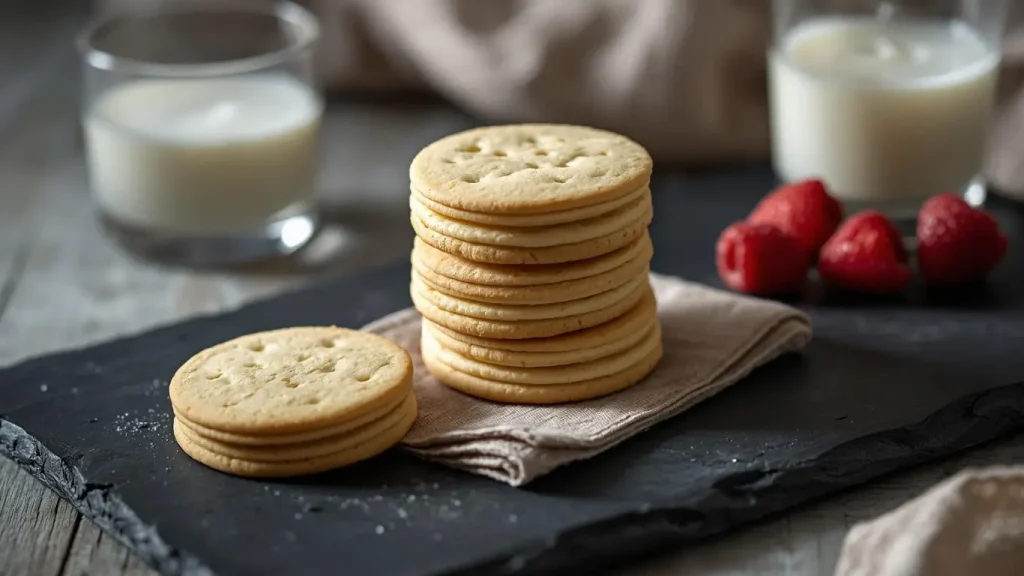
- Method: Using a traditional ceramic shortbread mold or a cookie stamp. Lightly dust the mold with rice flour (which is finer than wheat flour). Press the dough firmly into the mold to capture the design, then invert and whack the mold against the counter to release the formed biscuit.
Phase 3: The Slow Bake
Bake at 325°F (163°C). Shortbread should remain pale, with only a hint of golden color at the very edges.
Nutritional Information
Shortbread is an energy-dense food, historically used to fuel travelers.
| Nutrient | Amount per Serving (1 Biscuit) | % Daily Value |
|---|---|---|
| Calories | 160 kcal | 8% |
| Total Fat | 10g | 13% |
| Saturated Fat | 6g | 30% |
| Cholesterol | 25mg | 8% |
| Sodium | 85mg | 4% |
| Carbohydrates | 17g | 6% |
| Sugars | 6g | 12% |
| Protein | 2g | 4% |
Data Insight: While high in saturated fat, the simple ingredient list means shortbread biscuits have a lower glycemic load than cookies containing high-fructose corn syrup or commercial additives.
Healthier Alternatives for the Recipe
We can modify the profile while respecting the texture.
- Whole Grain: Swap 50% of the flour for oat flour. Oats pair beautifully with butter and add beta-glucan fiber, lowering cholesterol impact.
- Sugar Reduction: You can reduce the sugar by 25% without affecting the structure. Alternatively, use Monk Fruit sweetener (granulated) for a keto-friendly, diabetic-safe version.
- Dairy-Free: Use high-quality vegan butter blocks (not tub margarine). Look for brands with a high fat content to mimic the “short” texture.
- Gluten-Free: Shortbread is the easiest cookie to make gluten-free because it doesn’t rely on gluten for structure. Use a 1:1 almond flour and GF flour blend for a nutty, tender bite.
Serving Suggestions
Shortbread is a blank canvas for flavor pairing.
- The “Elevenses”: Serve “Fingers” alongside Earl Grey tea. The bergamot oil in the tea cuts through the richness of the butter.
- Chocolate Dipped: Dip half of a “Round” or “Finger” into tempered dark chocolate (70% cocoa). Sprinkle with sea salt flakes before it sets.
- Lemon & Thyme: Knead 1 tbsp of lemon zest and 1 tsp of fresh thyme into the dough before shaping for a sophisticated, savory-sweet profile.
Common Mistakes to Avoid
Data from home baking forums highlights these frequent errors:
- Overworking the Dough: If you knead it like bread, the gluten develops, and the biscuits become tough and chewy rather than crumbly. Fix: Stop mixing as soon as no white flour is visible.
- Melting the Butter: If the butter gets too warm, the cookies will spread into puddles. Fix: If the dough feels greasy, put it back in the fridge for 15 minutes before baking.
- Brown Spots: Shortbread shouldn’t brown much. Fix: If your oven has hot spots, rotate the pan halfway through baking and consider lowering the temp to 300°F and baking longer.
- Sticking to Molds: Fix: If using Shape #5, ensuring the dough is cold and the mold is floured is non-negotiable.
Storing Tips for the Recipe
Shortbread is one of the few baked goods that improves with age.
- The “Tin” Method: Store in a metal tin at room temperature. Plastic containers can trap moisture and soften the biscuits too much. They stay fresh for up to 2 weeks.
- Freezing: Unbaked dough logs can be frozen for 3 months. Baked biscuits can also be frozen; layer them with parchment paper to prevent sticking.
- Flavor Mellowing: The butter flavor actually deepens after 24 hours. Try not to eat them all straight from the oven!
Conclusion
Baking shortbread biscuits is a lesson in restraint. With no eggs to hide behind and no baking powder to force a rise, the quality of your butter and the gentleness of your hand determine the success. Whether you choose the rustic Petticoat Tails or the precise Fingers, you are participating in a centuries-old tradition of edible luxury.
Ready to get baking? Which of the 5 shapes will you try first? Leave a comment below with your choice, or tag us in your photos! Don’t forget to subscribe to our newsletter for more heritage recipes and baking science deep dives.
FAQs
Q: Why is my shortbread greasy?
A: This typically happens if the butter was melted rather than softened, or if the dough got too warm before baking. Always chill your shaped dough for 15 minutes before putting it in the hot oven to firm up the fat.
Q: Can I use salted butter?
A: You can, but it removes your ability to control the salt level. If you only have salted butter, omit the ¼ tsp of added salt in the recipe.
Q: What is “docking” and why do I have to do it?
A: Docking is pricking holes in the dough with a fork. It allows steam to escape evenly so the biscuit bakes flat rather than bubbling up in the middle.
Q: Why do recipes call for rice flour?
A: Some traditional Scottish recipes replace ¼ cup of the flour with rice flour or cornstarch. This lowers the protein content further, resulting in an even sandier, more “sandy” texture that creates a unique snap.
Your feedback helps other cooks succeed. Rate this recipe!
There are no reviews yet. Be the first one to write one.